Soda-lime glass
Soda-lime glass is the everyday glass used in many bottles, jars and windows. Silica builds its basic network; other oxides make it practical to melt and improve durability. Glass lacks the long-range repeating structure of a crystal. Its clear surface lets light through while providing a useful barrier to liquids and gases. The same broad chemistry can become a hollow bottle or a flat sheet through very different forming processes.
Useful properties
Why it earns its placeFrom input to useful material.
A simplified industrial pathway. Select a stage to learn what changes. Recycled feedstock and other process variants can enter at different stages.
Origins & processing
A typical batch combines silica sand, soda ash, limestone and compatible recycled glass called cullet. Heating produces a melt, which is shaped and cooled under controlled conditions. Container glass is formed in moulds; float glass spreads across a molten-tin bath to make a flat ribbon. Annealing reduces stresses from cooling. Further steps can temper or laminate the glass. Colourants, coatings and composition control mean that not all glass is interchangeable simply because it looks similar.
Where it turns up
Windows and glass bottles share this material family, while a solar panel can use specially specified low-iron glass to transmit more useful light. Toughened glass is processed for a particular breakage behaviour; laminated glass adds polymer layers. These finishing choices matter as much as the generic word glass on a product description.
Useful, with limits.
Glass is brittle, and edges or scratches can become failure sites. Ordinary soda-lime compositions expand more with temperature than many borosilicate glasses. Transparency does not imply that every wavelength passes equally well. Container mass, breakage, reuse trips and transport all affect environmental comparisons with alternative packaging; no universal winner follows from the material name.
A next life depends on the system.
Compatible, clean cullet can return to a glass furnace, but collection and sorting determine what happens in practice. Bottle-and-jar schemes may exclude window glass, ceramics and heat-resistant cookware. Do not put an unfamiliar glass type into container recycling without checking. Reuse systems for bottles also depend on designed containers and organized washing and return routes.
Familiar things, connected.
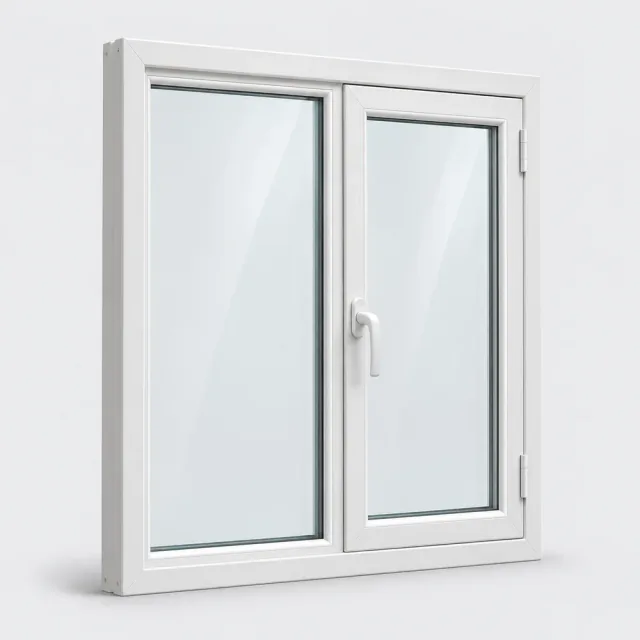
Insulated window
The invisible gaps matter as much as the glass.
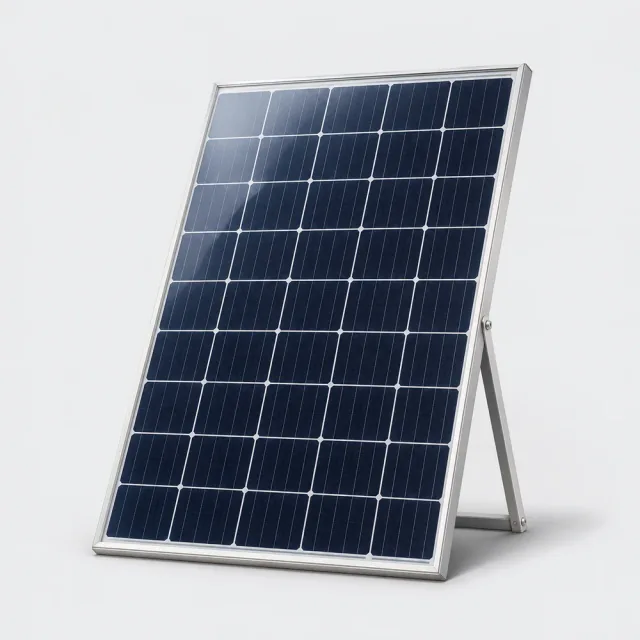
Solar panel
A fragile semiconductor protected for outdoor work.
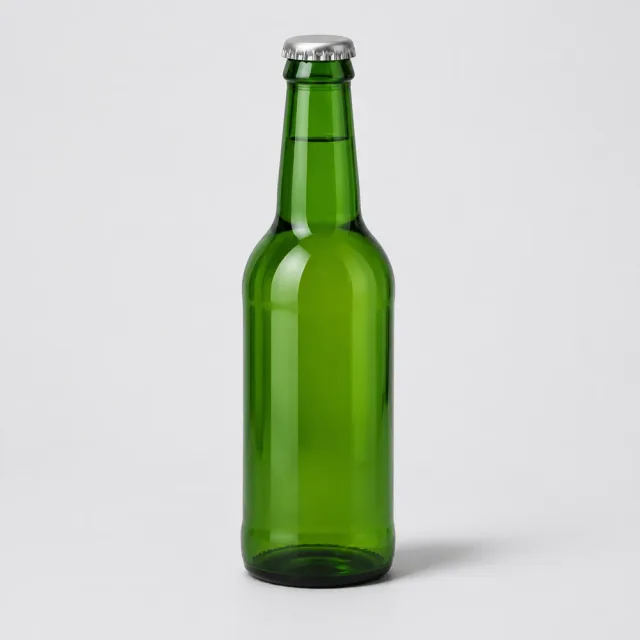
Glass bottle
A continuous glass wall, closed by a very different material.
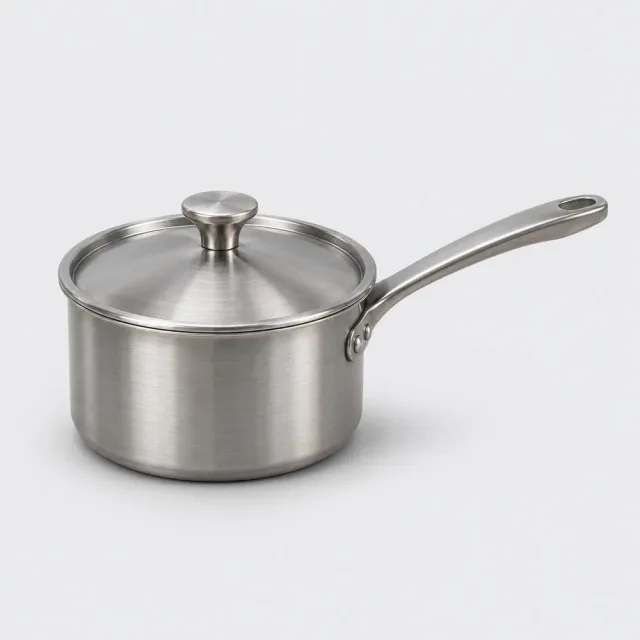
Stainless-steel saucepan
A durable skin around a heat-spreading core.
Follow the evidence
Original explanations informed by the sources below. Technical and industry sources support material behaviour; industry environmental marketing is not treated as a universal comparison. Browse the source register.
- How we make glass: chemistry of glass ↗Pilkington / NSG Group · Undated · Checked 2026-11-13
- About glass ↗British Glass · Undated · Checked 2026-11-13
- Quality of recycling: Towards a reference framework for the circular economy ↗European Commission Joint Research Centre · 2020 · Checked 2026-11-13