Stainless-steel saucepan
A durable skin around a heat-spreading core.
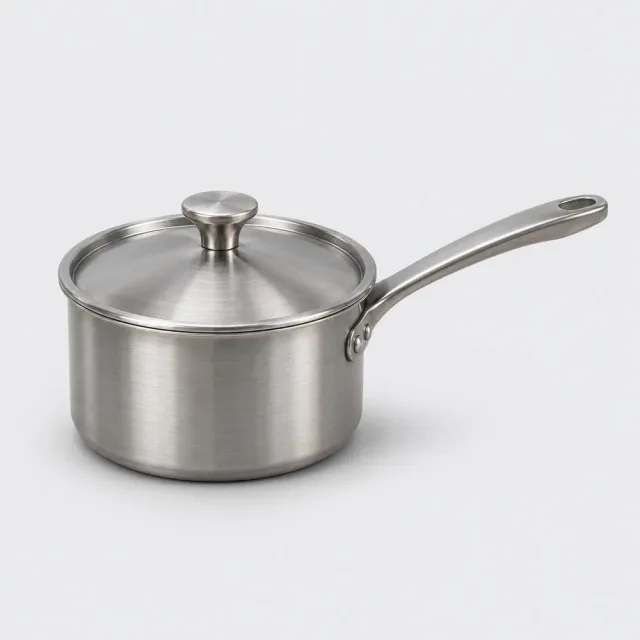
A stainless-steel saucepan often contains a less visible metal layer. Stainless steel provides a durable food-contact surface, while aluminium or copper improves heat spreading. A lid manages evaporation, and a handle must carry the filled vessel while limiting uncomfortable heat transfer. This representative saucepan has an aluminium layer enclosed within its base. Other cookware extends the layered construction up the sides, so a shiny exterior does not reveal the whole structure.
Start with a part, then follow a material. No specialist knowledge needed.
Inside the object
Original conceptual illustration. Numbers open the component index; their positions are illustrative, not a disassembly guide. Equivalent text follows beside the diagram.
1Inner vessel
The stainless interior resists ordinary kitchen corrosion and provides a durable surface for food and cleaning. The grade and finish matter, as do the foods and cleaning agents encountered. Stainless is not a guarantee against every stain or corrosion mechanism, but it is useful when a robust uncoated surface is wanted.
2Heat-spreading core
An aluminium disc or layer distributes heat beneath the cooking surface; copper is used in some other constructions. These are alternatives rather than mandatory ingredients together. A core can reduce sharp temperature differences across the base compared with the same geometry made only from less conductive stainless steel.
3Outer base
A stainless outer layer protects the core and can provide magnetic response for induction if the appropriate grade is selected. Bonding between layers is important because they expand differently with temperature. A pan marked stainless therefore may contain multiple alloys and an enclosed non-steel layer.
4Lid and handle
A fitted lid may use suitable heat-resistant or toughened glass with metal fittings, or may be all metal. The handle can be shaped steel or another heat-resistant construction. Transparency, grip and attachment are separate requirements, and the permitted temperature is a property of the complete product.
Why these materials?
Stainless steel is valued at the food-contact surface, but it does not spread heat as readily as aluminium or copper. A sandwich base combines those different strengths without exposing the core directly to food. Its effectiveness depends on thickness, bonding and how far the core extends. A layered base and fully clad walls are therefore not identical designs. The lid adds another control: restricting evaporation changes the cooking environment without changing the pan metal. Comparing pans meaningfully requires the construction and purpose, not only the label stainless steel.
One object, many versions.
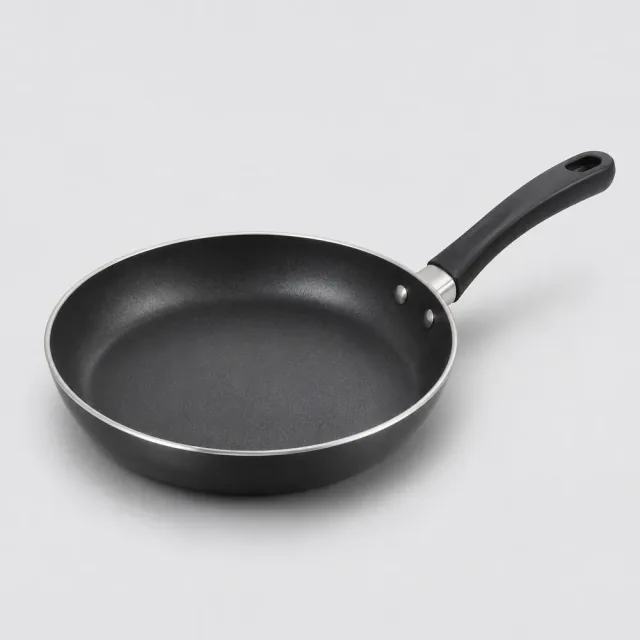
Some pans are fully clad through both base and walls, while others have an encapsulated base disc. Copper-core, aluminium-body, enamelled iron and heat-resistant glass saucepans exist. Handle and lid materials vary, and induction compatibility requires suitable magnetic construction. A particular glass lid’s use limits should come from the manufacturer rather than from a generic glass-family description.
What happens after use?
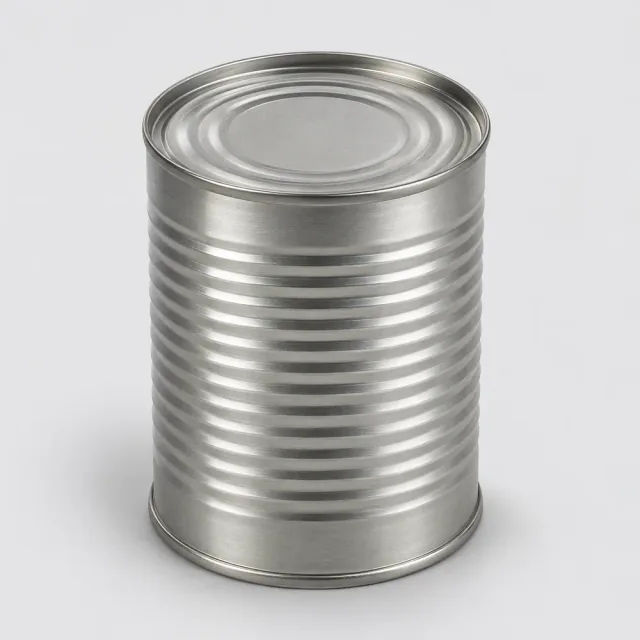
A saucepan with sound joints and surfaces can often remain in service for a long time. Replaceable handles or lids can extend use when approved matching parts exist. Follow the product’s cleaning guidance and have loose load-bearing attachments assessed. At end of use, ask a scrap-metal or household recovery service about cookware: bonded metals and non-metal fittings make it different from an empty steel food can.
Put the choices side by side.
Familiar things, connected.
Follow the evidence
Original explanations informed by the sources below. Technical and industry sources support material behaviour; industry environmental marketing is not treated as a universal comparison. Read our editorial method.
- MIDDAGSMAT saucepan: construction and materials ↗IKEA · Undated · Checked 2026-11-13
- Pots and pans: cookware materials ↗Tefal / Groupe SEB · Undated · Checked 2026-11-13
- The secret of pan manufacture ↗Tefal / Groupe SEB · Undated · Checked 2026-11-13
- General principles for selection of stainless steels ↗British Stainless Steel Association · Undated · Checked 2026-11-13
- Recycling ↗worldstainless · Undated · Checked 2026-11-13
- Aluminum Production and Processing ↗The Aluminum Association · Undated · Checked 2026-11-13
- Mineral Commodity Summaries 2026 — Aluminum ↗U.S. Geological Survey, National Minerals Information Center · 2026-05-27 (version 1.3) · Checked 2026-11-13
- Mineral Commodity Summaries 2026 — Copper ↗U.S. Geological Survey, National Minerals Information Center · 2026-05-27 (version 1.3) · Checked 2026-11-13
- Copper Life Cycle ↗International Copper Association · Undated · Checked 2026-11-13
- How we make glass: chemistry of glass ↗Pilkington / NSG Group · Undated · Checked 2026-11-13
- About glass ↗British Glass · Undated · Checked 2026-11-13
- Quality of recycling: Towards a reference framework for the circular economy ↗European Commission Joint Research Centre · 2020 · Checked 2026-11-13