Paper & paperboard
Paper is a sheet formed from fibres, usually plant cellulose, brought together from a watery suspension. Fibre bonding gives the dry sheet useful strength. Paperboard uses a thicker or layered structure for packaging and other applications. Fillers, coatings and sizing can change smoothness, opacity and liquid resistance. A drinks carton combines paperboard with barrier layers, so it is not simply paper folded around a liquid.
Useful properties
Why it earns its placeFrom input to useful material.
A simplified industrial pathway. Select a stage to learn what changes. Recycled feedstock and other process variants can enter at different stages.
Origins & processing
Fresh fibre can come from mechanical or chemical pulping, while recovered paper is repulped and cleaned. Different routes retain or remove different amounts of lignin and affect fibre quality. A dilute fibre mixture is spread onto a moving forming surface, drained, pressed and dried. Coating, smoothing and converting create the final product. Mineral fillers and additives may be introduced along the way. Recycling is a new pulping and cleaning process, not simply flattening an old sheet into another one.
Where it turns up
Paperboard gives a milk carton its structural body, while thin layers provide functions the fibres cannot supply alone. Paper also appears in labels, packaging and some pencil variants. Different grades balance printability, strength and bulk. A smooth coated label and corrugated packaging cannot be understood from fibre chemistry alone.
Useful, with limits.
Ordinary paper loses strength when wet and provides limited gas or grease barrier. Coatings solve some use problems but can complicate repulping. Fibre quality changes during recovery, and contaminants create residues. A paper-based package is not automatically plastic-free, compostable or lower impact than alternatives; compare the complete product and its intended use.
A next life depends on the system.
Many clean paper products can enter local fibre-recycling systems. Cartons, laminated sheets and wet-strength products need suitable processing and may have different acceptance rules. Repeated recovery changes fibre quality and creates losses, so fresh fibre remains part of the system. Reuse and reduced unnecessary material use can avoid some of that reprocessing work.
Familiar things, connected.

Toothpaste and tube
A formulation and its container solve different problems.

Cotton T-shirt
Plant fibres become yarn, then a flexible looped fabric.
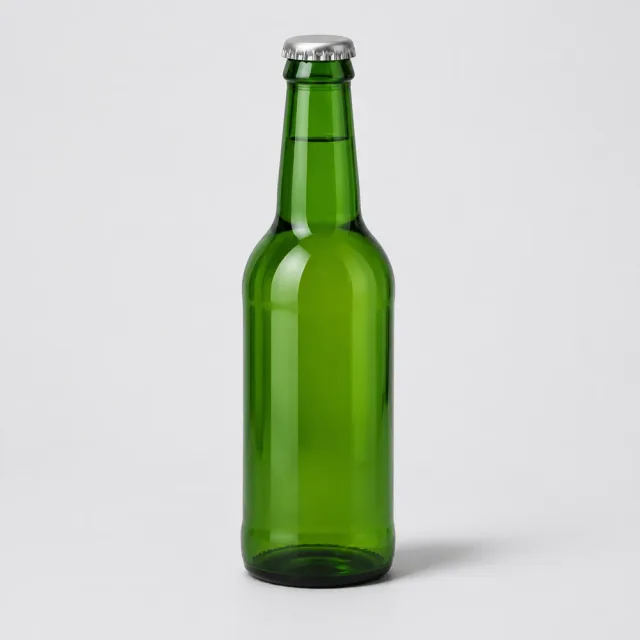
Glass bottle
A continuous glass wall, closed by a very different material.
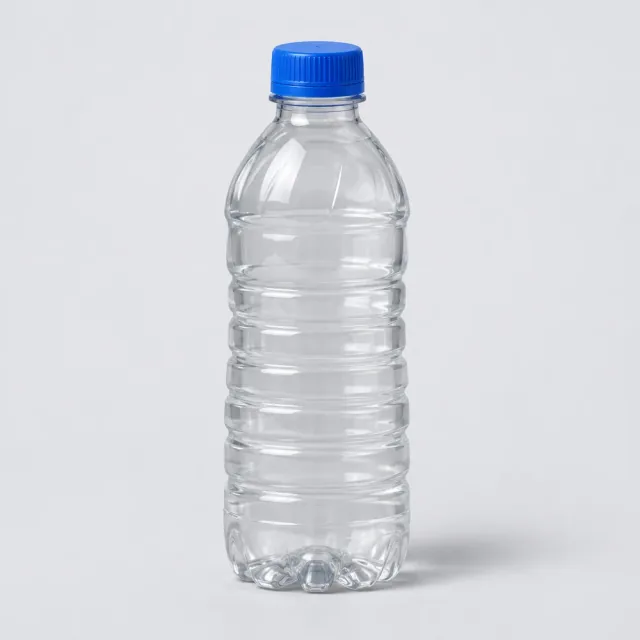
Plastic drink bottle
One polymer for the wall, another for the closure.
Follow the evidence
Original explanations informed by the sources below. Technical and industry sources support material behaviour; industry environmental marketing is not treated as a universal comparison. Read our editorial method.
- About Pulp & Paper ↗Confederation of European Paper Industries · Undated · Checked 2026-11-13
- How Is Paper Made Today? ↗American Forest & Paper Association · 2025-05-01 · Checked 2026-11-13