Carbon steel
Carbon steel is an iron-based alloy whose properties depend on carbon content, other constituents and processing. It is a family, not a single recipe. Thin steel sheet can become a food can or washing-machine casing; stronger grades can become a bicycle tube or spring. Heat treatment and forming change the internal structure, allowing the same broad material family to provide very different combinations of hardness, strength and ductility.
Useful properties
Why it earns its placeFrom input to useful material.
A simplified industrial pathway. Select a stage to learn what changes. Recycled feedstock and other process variants can enter at different stages.
Origins & processing
Primary ironmaking removes oxygen from iron ore. A blast furnace commonly uses coke; other routes produce direct-reduced iron. Steelmaking then adjusts chemistry and removes unwanted constituents, with scrap used in differing proportions. Electric arc furnaces melt metallic feedstocks that can include scrap and direct-reduced iron. Casting, rolling and sometimes heat treatment produce the usable material. A steelworks therefore does not necessarily start with a mine, and an electric furnace does not by itself guarantee a particular recycled content or emissions level.
Where it turns up
Painted appliance panels, tin-coated food cans and many bicycle frames use steels chosen for different duties. Fasteners and shafts may use stronger grades than a casing. Steel is also hidden inside a tyre as reinforcing cord. Its role can be structural even when another material is the visible surface.
Useful, with limits.
Unprotected carbon steel can rust when exposed to suitable moisture and oxygen conditions. Paint, plating and design help, but damaged coatings can expose the substrate. High hardness may come with reduced toughness or formability. Steel is dense, so a mass comparison must include the shape and thickness needed to perform the same function.
A next life depends on the system.
Steel is widely recoverable through scrap systems; many grades can be separated with magnets. That does not mean every small coated or mixed item is accepted by household collection. Recycling also needs chemistry control because unwanted elements can accumulate. Repairable frames, appliances and tools can preserve more of their existing manufacturing work through continued use.
Familiar things, connected.

Bicycle
Strength depends on shape as well as substance.
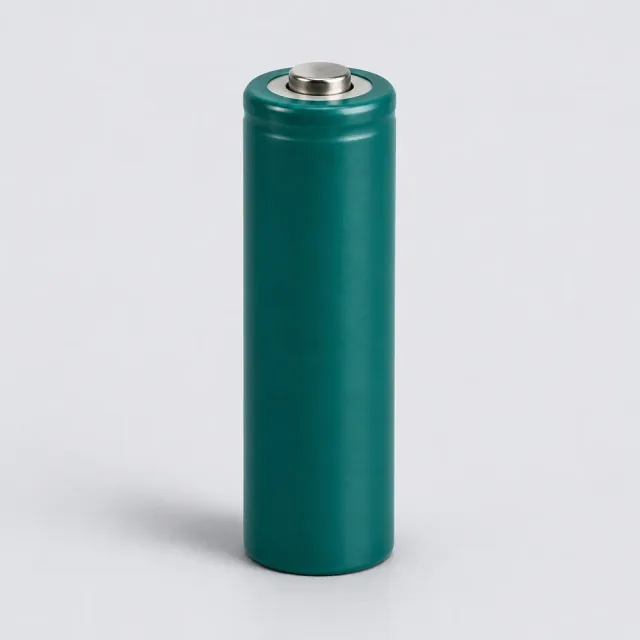
Lithium-ion battery
Ions travel inside; electrons take the useful outside route.
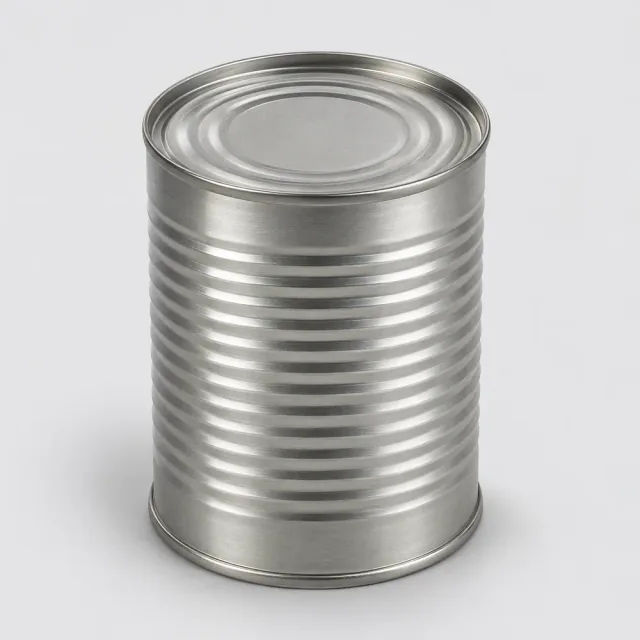
Food can
Mostly steel, despite the familiar name “tin”.
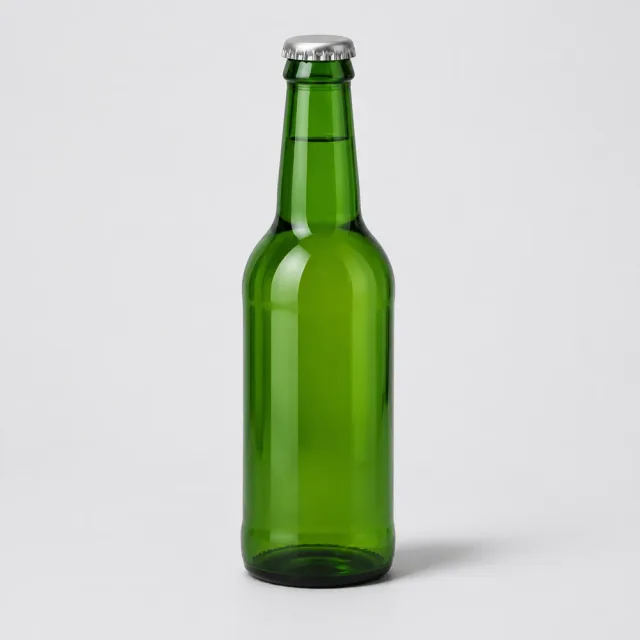
Glass bottle
A continuous glass wall, closed by a very different material.
Follow the evidence
Original explanations informed by the sources below. Technical and industry sources support material behaviour; industry environmental marketing is not treated as a universal comparison. Browse the source register.
- What is steel? ↗World Steel Association · Undated · Checked 2026-11-13
- Raw materials ↗World Steel Association · Undated · Checked 2026-11-13