Steam iron
A hot, smooth plate beneath a cooler water-and-control system.
A steam iron combines a heated contact surface with a water reservoir, steam passages and controls. Heat and moisture help fabric respond to pressure, while the soleplate must glide without snagging. This representative design uses a heat-spreading aluminium body beneath a stainless-steel contact surface, with a moulded reservoir and handle. Soleplate coatings, water systems and temperature controls vary considerably between manufacturers and models.
Start with a part, then follow a material. No specialist knowledge needed.
Inside the object
Original conceptual illustration. Numbers open the component index; their positions are illustrative, not a disassembly guide. Equivalent text follows beside the diagram.
1Soleplate and heat-spreading body
Aluminium can spread heat through a cast soleplate body, while a stainless-steel contact surface supplies wear and corrosion resistance. Steam openings interrupt that surface, so their edges and finish matter. This layered example is distinct from a solid steel plate or a proprietary coated construction.
2Embedded heating assembly
A resistance-heating conductor supplies heat through an electrically insulated assembly within or attached to the soleplate structure. Nickel–chromium alloys are one established choice. The outer metal plate is not itself the live resistance wire, and the insulation surrounding that wire is an essential part of the design.
3Water reservoir and steam passages
A moulded reservoir stores water above the heated assembly, with valves or passages controlling its delivery. The polymer grade must suit the local temperature and expected exposure, and is not assumed here. A translucent appearance does not identify the resin or establish the manufacturer's water recommendations.
Composition explained here; no separate material entry in this edition.
4Handle and control housing
Heat-suitable moulded polymers give the handle, heel rest and controls their complex shapes while reducing heat transfer toward the hand. Their formulations can differ between regions of the appliance. Air gaps, fasteners and moulded ribs help support the arrangement; no exact polymer is inferred from the exterior.
Composition explained here; no separate material entry in this edition.
5Cord and thermal controls
Flexible copper conductors feed the heater through an insulated cable and strain-relieved entry. Insulation and seal formulations must suit their locations but are not identified here. Temperature regulation and over-temperature protection remain separate mechanisms whose correct operation cannot be inferred from the soleplate material.
Why these materials?
An iron needs heat to spread across the working face, yet that heat must not spread freely into the user's grip. This explains the combination of a conductive metal soleplate and a polymer handle separated by geometry and insulation. Water adds another task: its conversion to steam consumes energy and can leave mineral deposits in passages. Surface finish affects gliding, while temperature regulation governs fabric compatibility. A hard coating can improve wear behaviour without replacing the heat-spreading metal beneath it, and a shiny plate alone says little about that layered system.
One object, many versions.
Some irons use exposed stainless-steel soleplates, others ceramic-like or fluoropolymer surface systems, and some combine several coating layers. A steam-generator station relocates much of the water and steam equipment outside the handheld iron. Cordless irons repeatedly dock for reheating. Cleaning, descaling and water instructions are specific to the complete product, not to the word ceramic or stainless.
What happens after use?
Use the manufacturer's cleaning and water guidance to avoid damaging the soleplate or internal passages. A leaking appliance, damaged cord or unreliable temperature control needs qualified assessment. Compatible service parts can extend life where available. At retirement, use the local electrical-appliance collection route; separating the heating block from its electrical insulation is not a household recycling task.
Familiar things, connected.
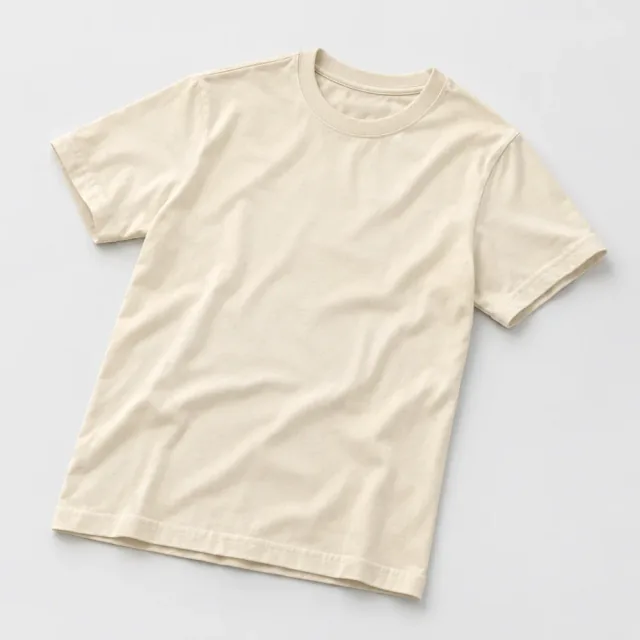
Cotton T-shirt
Plant fibres become yarn, then a flexible looped fabric.
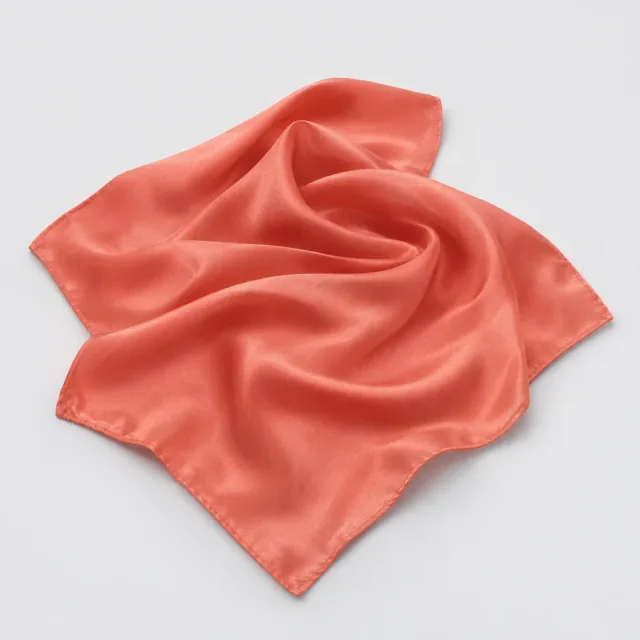
Silk scarf
A protein fibre becomes a surface that catches light and folds easily.
Hair dryer
Resistance heats the air; the fan keeps that heat moving.
Follow the evidence
Original explanations informed by the sources below. Technical and industry sources support material behaviour; industry environmental marketing is not treated as a universal comparison. Read our editorial method.
- Pro Master X-Cel steam iron: soleplate details ↗Rowenta · Undated · Checked 2026-11-14
- Azur Advanced steam iron: soleplate construction ↗Philips · Undated · Checked 2026-11-14
- Elements for electric appliances ↗Kanthal · Undated · Checked 2026-11-14
- Aluminum Production and Processing ↗The Aluminum Association · Undated · Checked 2026-11-13
- Mineral Commodity Summaries 2026 — Aluminum ↗U.S. Geological Survey, National Minerals Information Center · 2026-05-27 (version 1.3) · Checked 2026-11-13
- General principles for selection of stainless steels ↗British Stainless Steel Association · Undated · Checked 2026-11-13
- Recycling ↗worldstainless · Undated · Checked 2026-11-13
- Nikrothal 80 resistance-heating wire datasheet ↗Kanthal · 2024-09-05 · Checked 2026-11-14
- Elements for electric appliances ↗Kanthal · Undated · Checked 2026-11-14
- Austenitic nickel–chromium resistance alloys ↗Kanthal · Undated · Checked 2026-11-14
- Mineral Commodity Summaries 2026 — Copper ↗U.S. Geological Survey, National Minerals Information Center · 2026-05-27 (version 1.3) · Checked 2026-11-13
- Copper Life Cycle ↗International Copper Association · Undated · Checked 2026-11-13