Wooden pencil
Graphite writes; the wood protects and guides it.
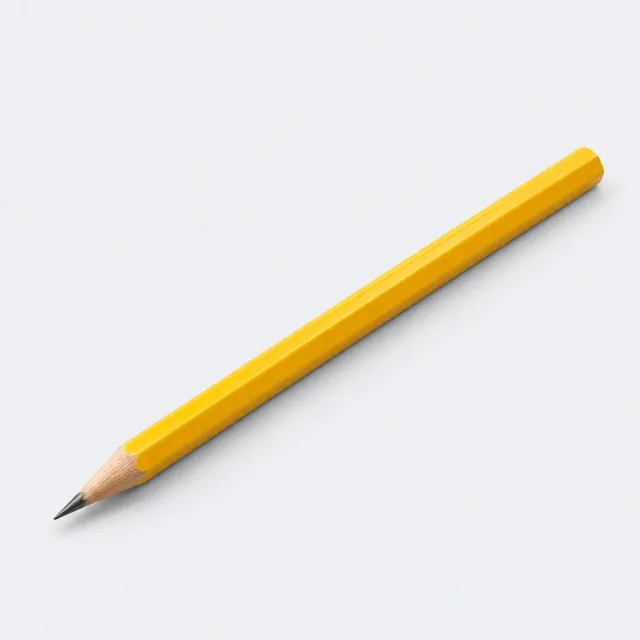
A conventional graphite pencil contains no lead metal in its writing core. Its mark comes from graphite held in a formulated core that also commonly contains clay. A wooden casing protects that brittle core and allows a point to be exposed by sharpening. Paint, adhesive and an optional eraser assembly add further materials. This example is a wood-cased writing pencil, not a coloured pencil or a mechanical pencil.
Start with a part, then follow a material. No specialist knowledge needed.
Inside the object
Original conceptual illustration. Numbers open the component index; their positions are illustrative, not a disassembly guide. Equivalent text follows beside the diagram.
1Writing core
Graphite particles leave a visible mark as material transfers to paper. Clay helps bind and control the core, and the graphite-to-clay balance influences the hardness grade. Waxes and other treatments may also be used. The finished core is therefore a processed mixture rather than a natural graphite rod.
2Wood casing
Shaped wooden slats surround the core and provide a light, comfortable structure that can be sharpened. The wood grain and species affect machining and resistance to splitting. A good casing must support the core without making it impossible to expose a clean point with a sharpener.
3Bond and finish
An adhesive joins the wooden parts and can help support the core, while external coatings protect and identify the pencil. Their chemistry varies by manufacturer. These materials are not represented as one universal resin here. The brightly coloured exterior is a finish, not evidence that the entire casing has that composition.
Composition explained here; no separate material entry in this edition.
4Ferrule and eraser
Some pencils add a crimped metal ferrule, often aluminium or another metal, holding an eraser. Erasers can use natural or synthetic rubber or other polymers, so this is a set of possible materials rather than an exact universal recipe. Many drawing pencils omit the eraser assembly entirely.
Why these materials?
A pencil makes controlled wear useful. The writing core must lose a small amount of material to the page, while the casing should remain comfortable and intact. Sharpening deliberately removes casing and core to restore the working geometry. Hardness grades express a formulation choice, not a scale of graphite purity. The traditional wood-and-core assembly can also be replaced by an extruded wood composite or a mechanical holder. Each construction balances point control, breakage resistance, material use and refillability differently, so the simplest-looking object still contains several manufacturing decisions.
One object, many versions.
Coloured pencils use pigments and binders rather than the same graphite-clay core. Mechanical pencils hold replaceable leads in a metal or polymer mechanism. Some wood-cased products use extruded composites made with wood particles and polymers. Natural wood, wood composite and recycled content should be distinguished: they describe different structures or feedstock histories rather than one interchangeable material.
What happens after use?
Using the pencil down to a practical remaining length preserves its intended value; an extender can help in suitable contexts. Short mixed-material stubs are rarely accepted in ordinary paper recycling, even though the casing comes from wood. Shavings may contain coatings and core ingredients, so composting should not be assumed without product and local guidance. Mechanical pencils may reduce repeated casing use when refilled and maintained.
Familiar things, connected.
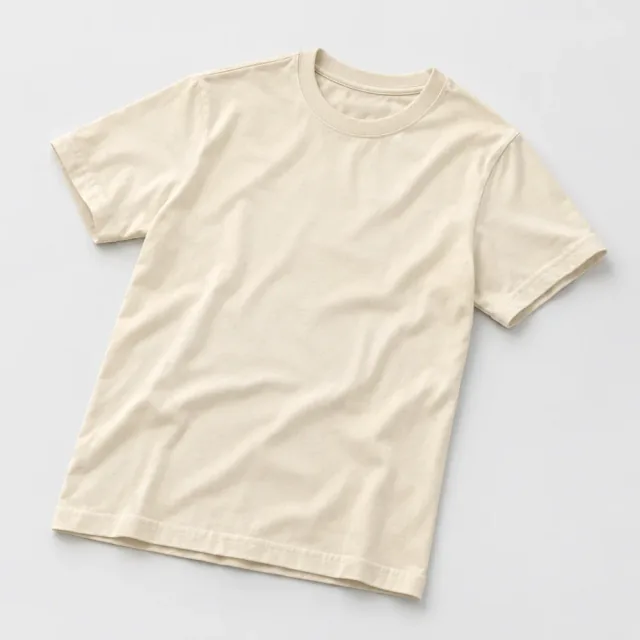
Cotton T-shirt
Plant fibres become yarn, then a flexible looped fabric.
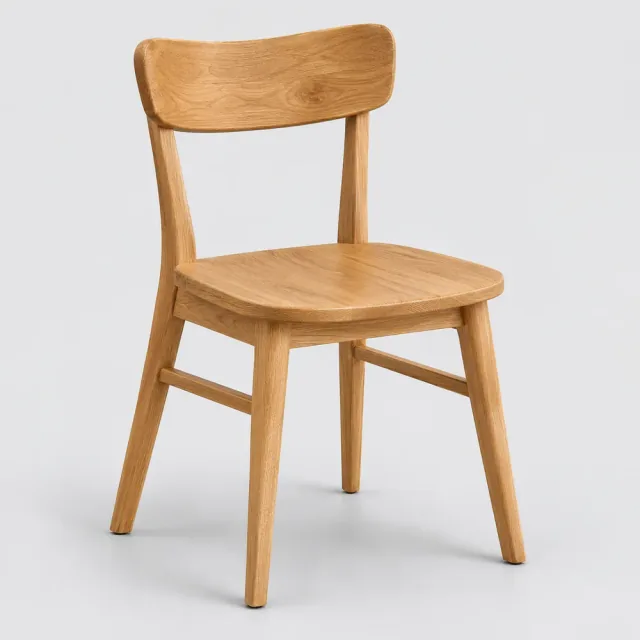
Chair
A frame carries the load; softer layers manage contact.
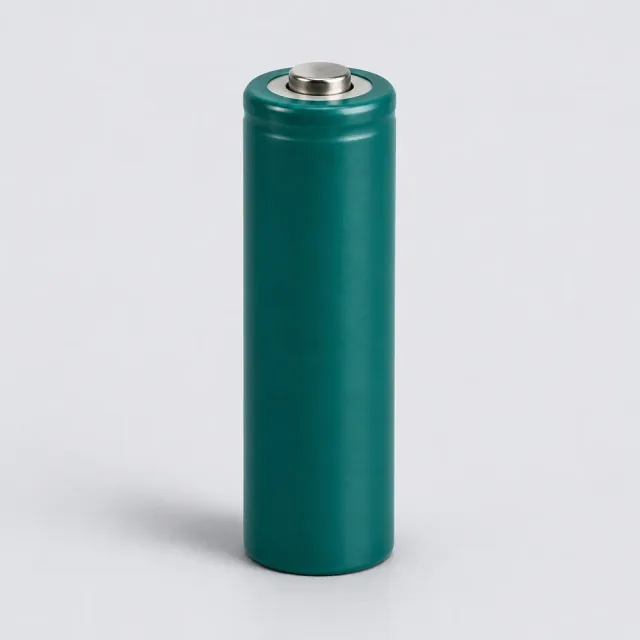
Lithium-ion battery
Ions travel inside; electrons take the useful outside route.
Follow the evidence
Original explanations informed by the sources below. Technical and industry sources support material behaviour; industry environmental marketing is not treated as a universal comparison. Read our editorial method.
- Pencils and accessories ↗STAEDTLER · Undated · Checked 2026-11-13
- Pencil production factsheet ↗STAEDTLER · 2020 · Checked 2026-11-13
- Mineral Commodity Summaries 2026 — Graphite ↗U.S. Geological Survey, National Minerals Information Center · 2026-05-27 (version 1.3) · Checked 2026-11-13
- Technology Strategy Assessment — Lithium-ion ↗U.S. Department of Energy · 2023-07 · Checked 2026-11-13
- How Do I Recycle Common Recyclables ↗U.S. Environmental Protection Agency · Undated · Checked 2026-11-13
- Wood Handbook: Wood as an Engineering Material ↗USDA Forest Service, Forest Products Laboratory · 2021 (handbook revision) · Checked 2026-11-13
- Wood Handbook, Chapter 4: Moisture relations and physical properties of wood ↗Samuel V. Glass and Samuel L. Zelinka; USDA Forest Service · 2021-03 · Checked 2026-11-13
- Aluminum Production and Processing ↗The Aluminum Association · Undated · Checked 2026-11-13
- Mineral Commodity Summaries 2026 — Aluminum ↗U.S. Geological Survey, National Minerals Information Center · 2026-05-27 (version 1.3) · Checked 2026-11-13
- Natural Rubber at a glance ↗Michelin · Undated · Checked 2026-11-13
- Introduction to rubber processing and safety issues ↗UK Health and Safety Executive · Undated · Checked 2026-11-13