Wood
Wood is a biological composite made largely from cellulose, hemicelluloses and lignin. Its cellular structure gives useful strength for its mass, but properties differ along and across the grain. Species, growth, defects and moisture all matter. A chair leg and a pencil casing can both use wood while requiring different grades and shaping methods. Solid timber should also be distinguished from plywood, fibreboard and other engineered wood products.
Useful properties
Why it earns its placeFrom input to useful material.
A simplified industrial pathway. Select a stage to learn what changes. Recycled feedstock and other process variants can enter at different stages.
Origins & processing
Timber production begins with forest management and harvesting, followed by conversion of logs into boards or other forms. Drying lowers and controls moisture content, helping match the material to service conditions. Sorting and grading account for species and defects; machining and joining then create components. Engineered products add further steps such as veneer peeling, fibre preparation or adhesive bonding. The forestry system, drying energy and product yield all influence the material’s impact, which cannot be determined simply from the word natural.
Where it turns up
Chairs exploit wood’s structural and tactile qualities, while pencils use a machinable casing that supports the core and can be sharpened. Furniture can combine solid timber with plywood or fibreboard. Paints, varnishes, adhesives and fasteners add other materials whose functions and end-of-life implications deserve attention alongside the wood.
Useful, with limits.
Wood can swell, shrink, split, decay or burn under unsuitable conditions. Its directional structure means a joint or grain change can be more important than an average strength value. Responsible sourcing concerns forest conditions and traceability; renewable growth does not guarantee sustainable harvest. A surface finish can extend life while changing repair and recovery options.
A next life depends on the system.
Repair, refinishing and component reuse can retain the value of a sound wooden object. Clean wood may have reuse or recycling outlets, while coatings, preservatives and glued composites can restrict them. Do not assume all old furniture is suitable for burning or composting. Local wood-waste rules should distinguish untreated timber from treated or composite products.
Familiar things, connected.
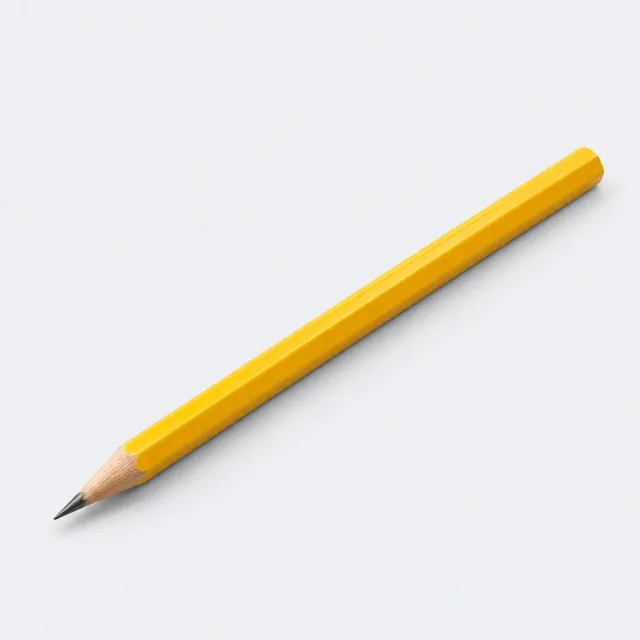
Wooden pencil
Graphite writes; the wood protects and guides it.
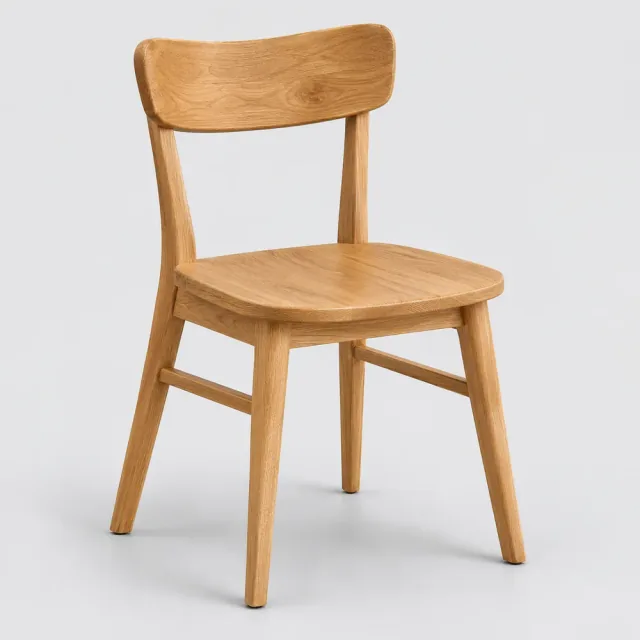
Chair
A frame carries the load; softer layers manage contact.
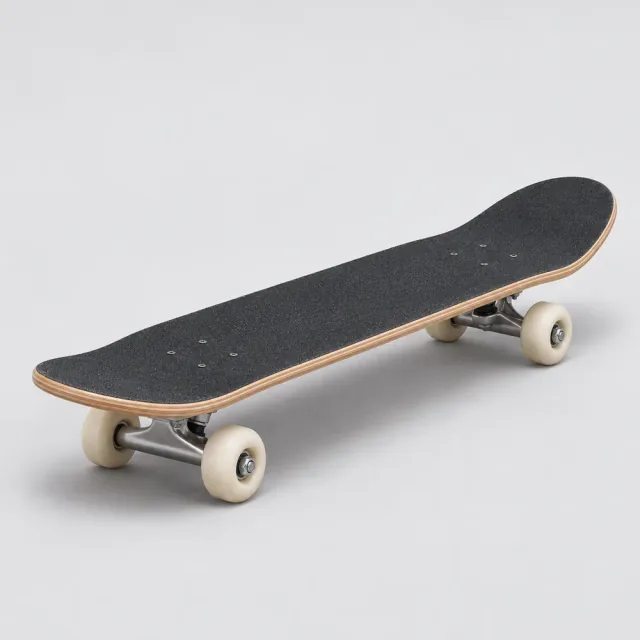
Skateboard
A springy deck above four engineered contact patches.
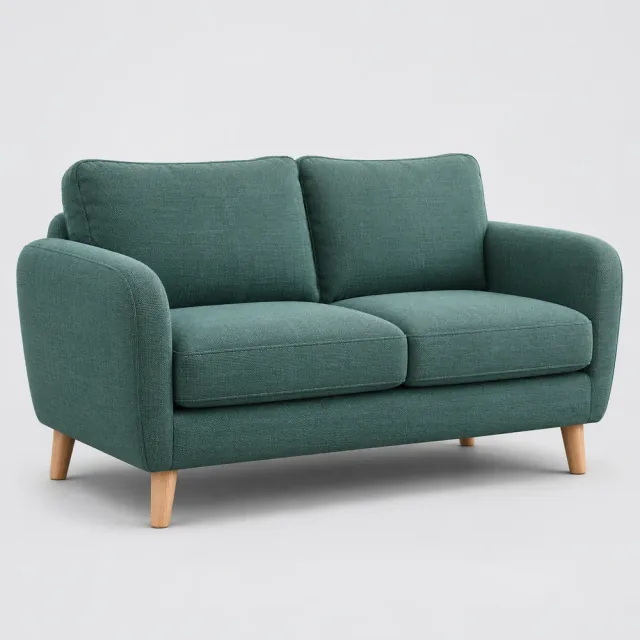
Sofa
Softness is built on a load-bearing skeleton.
Follow the evidence
Original explanations informed by the sources below. Technical and industry sources support material behaviour; industry environmental marketing is not treated as a universal comparison. Browse the source register.
- Wood Handbook: Wood as an Engineering Material ↗USDA Forest Service, Forest Products Laboratory · 2021 (handbook revision) · Checked 2026-11-13
- Wood Handbook, Chapter 4: Moisture relations and physical properties of wood ↗Samuel V. Glass and Samuel L. Zelinka; USDA Forest Service · 2021-03 · Checked 2026-11-13