Stainless steel
Stainless steels contain enough chromium to form a thin, protective surface film. That film explains their familiar use around water and food, but stainless does not mean stain-proof. Different grades balance corrosion resistance, strength, formability and cost. Some include nickel or molybdenum; others do not. A polished kettle, a saucepan and a washing-machine drum may all be stainless steel while having different compositions and performance requirements.
Useful properties
Why it earns its placeFrom input to useful material.
A simplified industrial pathway. Select a stage to learn what changes. Recycled feedstock and other process variants can enter at different stages.
Origins & processing
Stainless production combines iron-bearing feedstocks and scrap with chromium and, for some grades, nickel and other alloying additions. Melting and refining control carbon and unwanted constituents before casting and rolling. Finishing affects both appearance and performance: surface contamination and fabrication damage can undermine otherwise suitable material. The resulting alloy is not a naturally occurring mineral. Ore extraction for its ingredients, alloy production and final fabrication may take place in different countries, with recycled scrap linking those supply chains.
Where it turns up
Washing-machine drums use a surface that tolerates repeated wet service. Kettles and saucepans use stainless where cleanability and durability matter. Some pans combine it with copper or aluminium because stainless itself spreads heat less efficiently than those metals. Stainless is also used for small fasteners and springs.
Useful, with limits.
Salt, trapped moisture, unsuitable cleaning chemicals and elevated temperatures can challenge stainless steel. Grade selection matters more than shine. Some grades are strongly magnetic and others weakly so; a magnet is not a reliable universal test of quality. The presence of nickel also does not make every stainless surface suitable for every person or application.
A next life depends on the system.
Keeping stainless scrap in appropriate metal streams preserves valuable alloying ingredients. A whole appliance needs an electrical-product route, while a simple uncoated utensil may fit a different local collection system. Repair and reuse are useful where the object remains sound. Recycling claims describe potential material recovery, not a guarantee that a particular item is collected.
Familiar things, connected.

Bicycle
Strength depends on shape as well as substance.

Headphones
A controlled movement becomes sound.
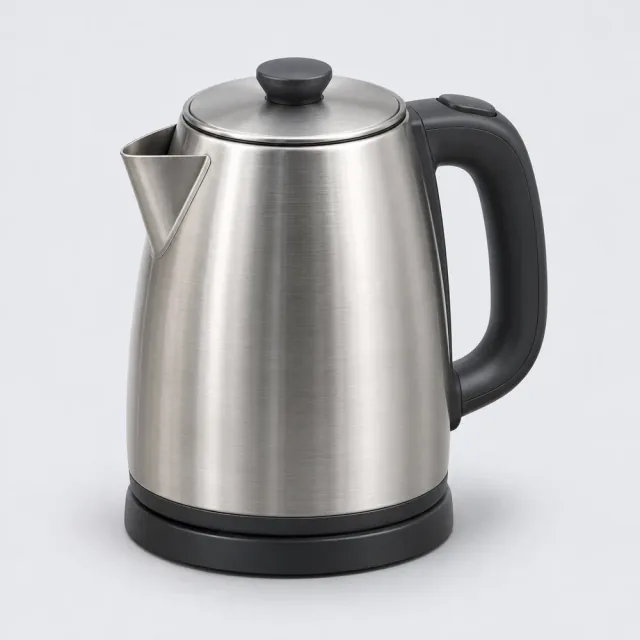
Electric kettle
Heat where it is useful, insulation where it is held.
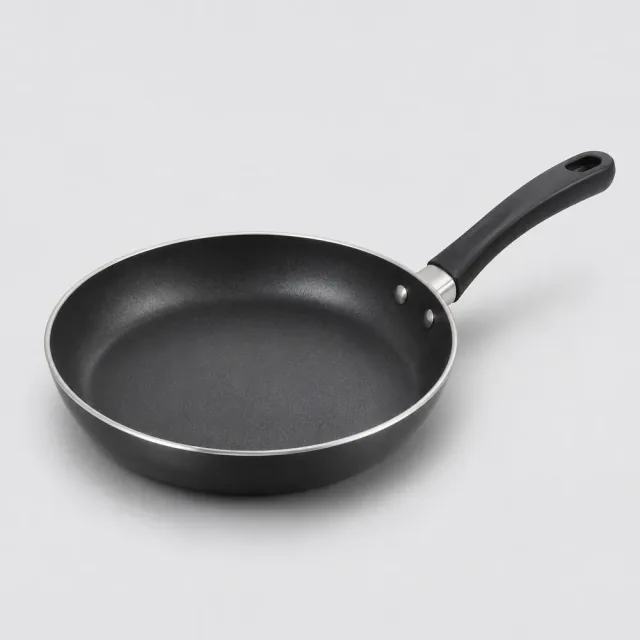
Frying pan
Heat spreading and food release ask for different surfaces.
Follow the evidence
Original explanations informed by the sources below. Technical and industry sources support material behaviour; industry environmental marketing is not treated as a universal comparison. Browse the source register.
- General principles for selection of stainless steels ↗British Stainless Steel Association · Undated · Checked 2026-11-13
- Recycling ↗worldstainless · Undated · Checked 2026-11-13