Polystyrene
Polystyrene can be a clear rigid plastic, a tougher opaque appliance material or a light cellular foam. General-purpose polystyrene, or GPPS, differs from rubber-modified high-impact polystyrene, or HIPS. Expanded polystyrene, EPS, adds a foam structure made from fused expanded beads. These distinctions matter: the hard liner inside a refrigerator and the crushable foam inside many bicycle helmets do not behave alike simply because both have polystyrene in their names.
Useful properties
Why it earns its placeEfficient moulding ↗
Dense grades can be injection moulded or formed from sheet; EPS follows a bead expansion and fusion route.
Air-filled foam structure ↗
The cellular structure of polystyrene foams slows heat transfer; this benefit should not be attributed equally to dense solid PS.
Clarity depends on grade ↗
GPPS can be transparent, while rubber modification and foam cells scatter light and usually make HIPS and EPS opaque.
From input to useful material.
A simplified industrial pathway. Select a stage to learn what changes. Recycled feedstock and other process variants can enter at different stages.
Origins & processing
Styrene monomer is polymerised into long molecular chains. Manufacturers can introduce a rubber phase to improve resistance to impact, accepting changes such as loss of clarity. Dense resin is supplied for moulding or sheet production. For EPS, expandable beads contain a blowing agent; heat expands them, and a later moulding stage fuses the prepared beads into a shape. Extruded polystyrene foam uses a different continuous foaming route. Additives and processing conditions determine the final grade rather than one universal formulation.
Where it turns up
HIPS is used in appliance liners and housings, including some refrigerator interiors. GPPS serves clear rigid packaging and moulded parts. EPS supports protective packaging and insulation and is commonly used for helmet energy-absorbing liners. In a helmet, controlled crushing absorbs energy during an impact; that function is different from an elastic cushion intended to recover repeatedly.
Useful, with limits.
Unmodified polystyrene can be brittle. Heat and some solvents can damage the polymer, while a foam surface can break into persistent small fragments. A crushed protective liner may have lost performance even when its outer shell looks acceptable. Fire behaviour and installation requirements depend on the product and assembly; a generic material description cannot substitute for tested insulation or helmet specifications.
A next life depends on the system.
Polystyrene can be reprocessed when a compatible, sufficiently clean stream is collected. EPS often needs compaction because transporting mostly air is inefficient. Food contamination, additives and mixed dense grades can restrict available routes. Some specialist programmes accept clean packaging foam, but acceptance varies. A resin symbol identifies the polymer family, not a promise that the local collection can recycle every object made from it.
Familiar things, connected.
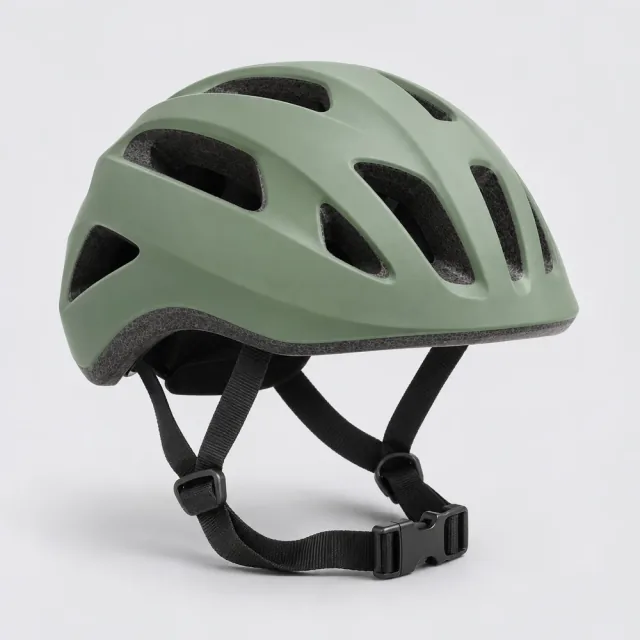
Bicycle helmet
Protection comes from a carefully controlled collapse.
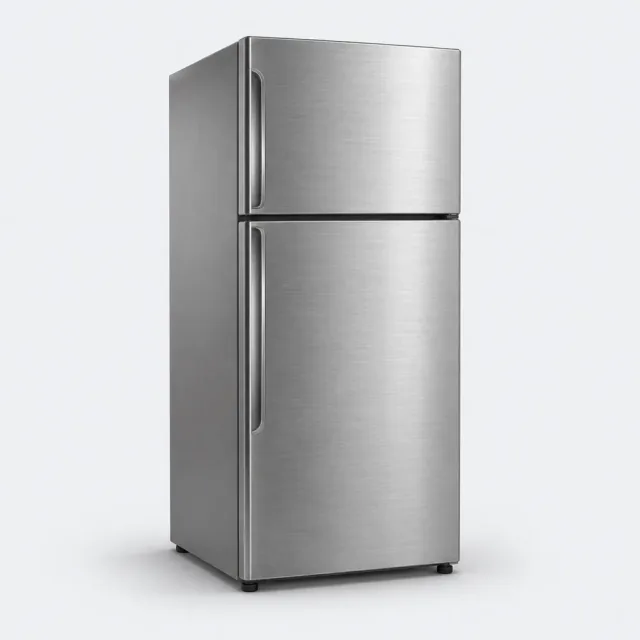
Refrigerator
A machine that moves heat, wrapped in materials that slow its return.
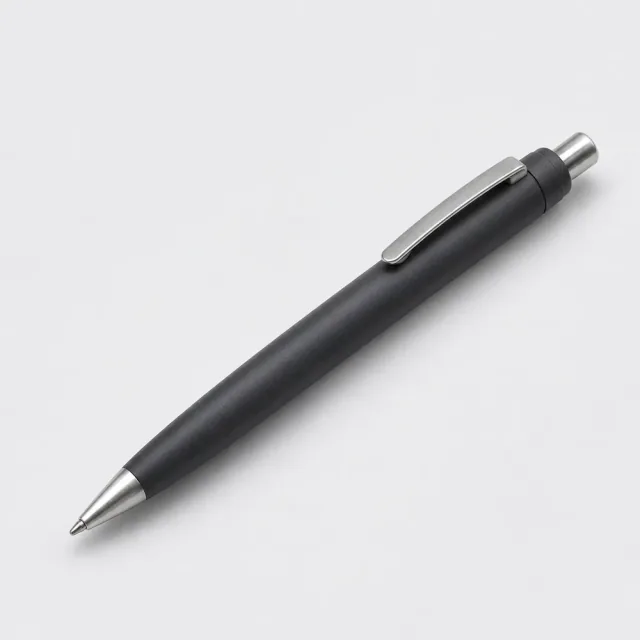
Ballpoint pen
A tiny rolling contact meters a line of ink.
Takeaway cup
A paper wall needs a separate strategy for holding liquid.
Follow the evidence
Original explanations informed by the sources below. Technical and industry sources support material behaviour; industry environmental marketing is not treated as a universal comparison. Read our editorial method.
- Polystyrene ↗INEOS · Undated · Checked 2026-11-13
- Expanded and Extruded Polystyrene (EPS/XPS) ↗British Plastics Federation · Undated · Checked 2026-11-13
- Plastics Processes ↗British Plastics Federation · Undated · Checked 2026-11-13