Polypropylene
Polypropylene, usually shortened to PP, is a lightweight polymer used in packaging, household objects, fibres and appliance parts. It can provide a useful balance of stiffness, toughness and chemical resistance. One distinctive application is the living hinge: a thin, correctly designed section can bend repeatedly without a separate metal pin. Material grade and geometry are crucial; this is not a property every arbitrary strip of plastic shares.
Useful properties
Why it earns its placeFrom input to useful material.
A simplified industrial pathway. Select a stage to learn what changes. Recycled feedstock and other process variants can enter at different stages.
Origins & processing
Propylene molecules are joined into long chains using catalysts that help control the polymer structure. Manufacturers can make different grades or copolymers and add pigments, fillers and stabilizers. Injection moulding creates caps, handles and appliance components, while extrusion creates films or fibres. A glass-filled engineering grade and an unfilled bottle cap may therefore share the PP family but differ greatly in stiffness, processing and recycling implications. The finished component reflects formulation and tool design as well as the base polymer.
Where it turns up
A toothbrush handle, packaging cap and washing-machine component can all use PP. Some reusable containers exploit its temperature performance, while fibres serve fabrics and other products. The material family is broad enough that a product must still be specified for food contact, hot use or repeated loading; the polymer abbreviation alone is insufficient.
Useful, with limits.
PP can become less tough in cold conditions depending on grade, and outdoor exposure may require stabilization. It also slowly deforms under sustained load. Fillers can improve stiffness while changing other properties. Heat tolerance is relative to other plastics and to service conditions, not permission to expose any PP object to high temperatures.
A next life depends on the system.
PP can be mechanically recycled when collected, sorted and processed in a suitable stream. A cap, toothbrush and appliance component may have entirely different local collection options. Small size, colour, embedded materials and contamination affect sorting. Keeping a durable object useful can be more straightforward than recovering a tiny mixed-material part at the end.
Familiar things, connected.
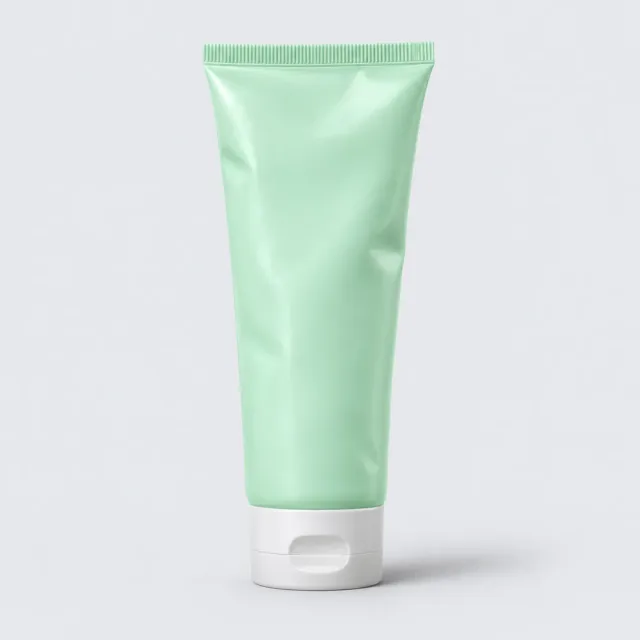
Toothpaste and tube
A formulation and its container solve different problems.
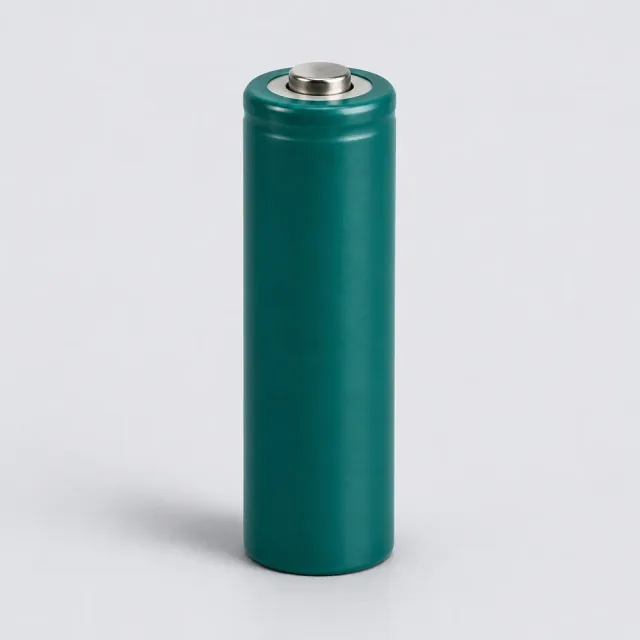
Lithium-ion battery
Ions travel inside; electrons take the useful outside route.
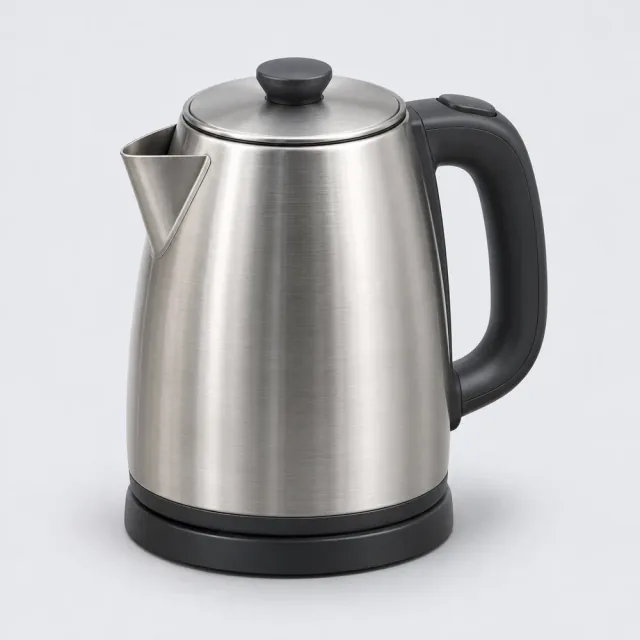
Electric kettle
Heat where it is useful, insulation where it is held.
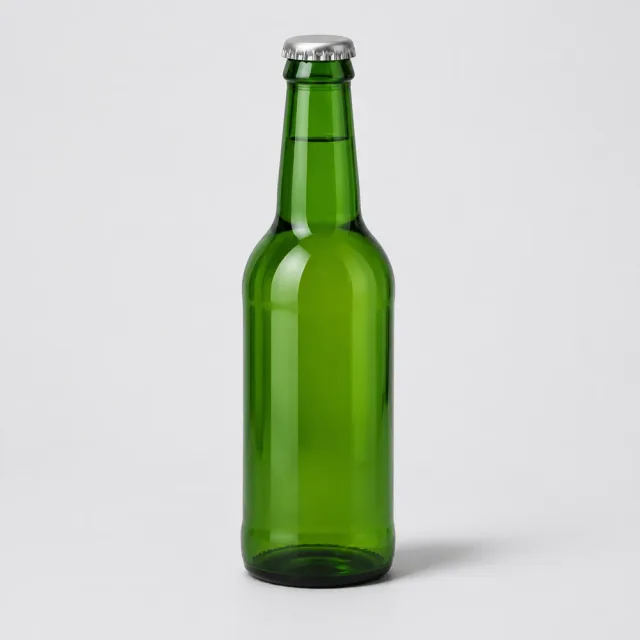
Glass bottle
A continuous glass wall, closed by a very different material.
Follow the evidence
Original explanations informed by the sources below. Technical and industry sources support material behaviour; industry environmental marketing is not treated as a universal comparison. Read our editorial method.
- Polypropylene (PP) ↗British Plastics Federation · Undated · Checked 2026-11-13
- Plastics Processes ↗British Plastics Federation · Undated · Checked 2026-11-13