Natural rubber
Natural rubber is principally a plant-made polymer called polyisoprene. Commercial supply largely comes from latex tapped from rubber trees, but the finished rubber in a tyre is much more than dried sap. It is mixed with reinforcing fillers, curing ingredients and often synthetic rubbers, then crosslinked to create useful elastic behaviour. A tyre therefore demonstrates a natural material working inside a highly engineered composite rather than an unmodified plant product.
Useful properties
Why it earns its placeFrom input to useful material.
A simplified industrial pathway. Select a stage to learn what changes. Recycled feedstock and other process variants can enter at different stages.
Origins & processing
Latex is collected from living rubber trees and processed into forms suitable for transport and manufacturing. Coagulation, washing and drying produce raw rubber, while other routes retain latex for particular uses. Factories mix rubber with ingredients such as carbon black or silica and then shape the compound. Vulcanization creates crosslinks between chains, changing its response to heat and deformation. The tree-growing landscape, raw-rubber processing and final tyre factory may be in different countries and require separate supply-chain information.
Where it turns up
Tyres, some shoe components, elastic items and industrial products use natural rubber or blends containing it. A car tyre includes different compounds for tread, sidewall and other components, alongside reinforcing textiles and steel. A bicycle tyre also varies by design. Natural rubber is one ingredient in these systems, not a complete description of them.
Useful, with limits.
Rubber performance changes with formulation, temperature, ageing and exposure. Natural origin does not eliminate land-use pressures or make a tyre biodegradable in everyday conditions. Road wear releases material from the complete tyre compound. Latex proteins can also cause allergy in susceptible people, which is a different issue from the mechanical role of a cured tyre compound.
A next life depends on the system.
Crosslinked rubber cannot simply be melted like a bottle polymer. Tyre routes can include retreading where suitable, material recovery and other regulated treatments, with local systems differing. A tyre’s collected steel and rubber may follow different destinations. Do not infer a closed tyre-to-tyre loop from a general recycling claim; ask which materials and outputs are actually recovered.
Familiar things, connected.
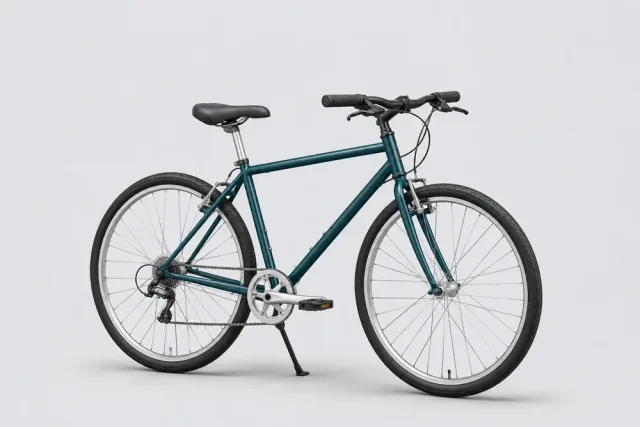
Bicycle
Strength depends on shape as well as substance.

Running shoe
A hard-wearing surface, a soft middle, a flexible shell.
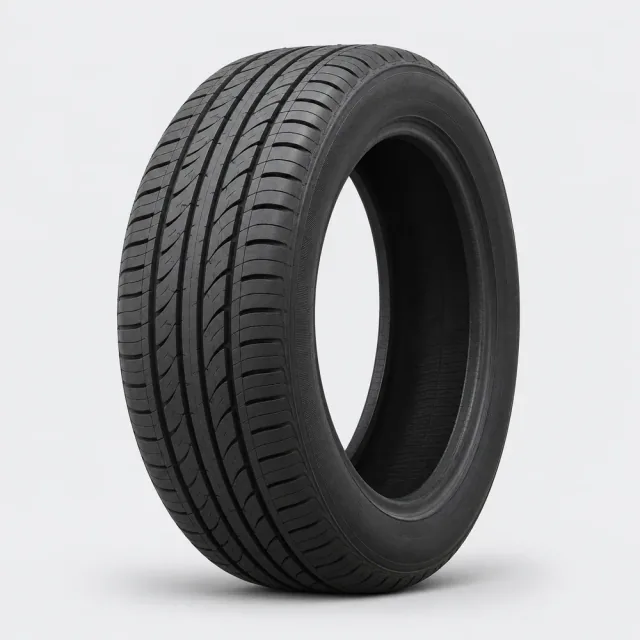
Car tyre
A reinforced pressure vessel that must keep flexing.
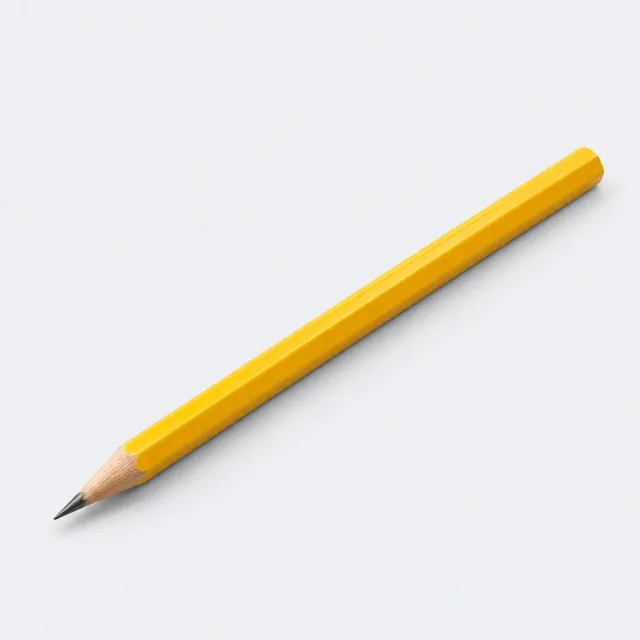
Wooden pencil
Graphite writes; the wood protects and guides it.
Follow the evidence
Original explanations informed by the sources below. Technical and industry sources support material behaviour; industry environmental marketing is not treated as a universal comparison. Browse the source register.
- Natural Rubber at a glance ↗Michelin · Undated · Checked 2026-11-13
- Introduction to rubber processing and safety issues ↗UK Health and Safety Executive · Undated · Checked 2026-11-13