EVA
EVA combines ethylene and vinyl acetate in a copolymer. Changing their balance changes flexibility, clarity and other properties. Foamed EVA is familiar in footwear, where its cellular structure cushions a step. Suitable EVA formulations also encapsulate solar cells, bonding and protecting layers within a panel. These are very different grades and structures: shoe foam should not be imagined as the transparent material surrounding a photovoltaic cell.
Useful properties
Why it earns its placeFrom input to useful material.
A simplified industrial pathway. Select a stage to learn what changes. Recycled feedstock and other process variants can enter at different stages.
Origins & processing
Ethylene and vinyl acetate are polymerized together to make the base resin. Manufacturers choose the composition and additives for the application. Shoe components may be foamed, moulded and crosslinked to obtain their cushioning structure. Photovoltaic encapsulants are made as films and laminated around cells under controlled conditions, often with curing that creates crosslinks. The final properties depend on additives, cell structure or cure as well as the base copolymer. A single polymer name therefore hides two very different production pathways.
Where it turns up
A running-shoe midsole and a crystalline-silicon solar-panel laminate can both use EVA. Hot-melt adhesives and other flexible products provide further examples. Alternative shoe foams and alternative solar encapsulants also exist. The atlas uses EVA to show the connection without implying that all shoes or panels contain it.
Useful, with limits.
Foams can lose cushioning through repeated compression and ageing. In panels, optical clarity, adhesion and long-term exposure behaviour matter. Crosslinking can improve service performance while reducing simple remelting options. A flexible, light material is not automatically biodegradable, and solar-panel durability does not imply that every layer is easy to separate for recovery.
A next life depends on the system.
Clean industrial EVA scraps may have recovery options, but used shoes and laminated panels present different challenges. Foams are often crosslinked and bonded to other materials. Panel recyclers may recover some components while treating encapsulant differently. Use appropriate footwear collection or specialist panel routes where available, and verify what the operator actually recovers.
Familiar things, connected.
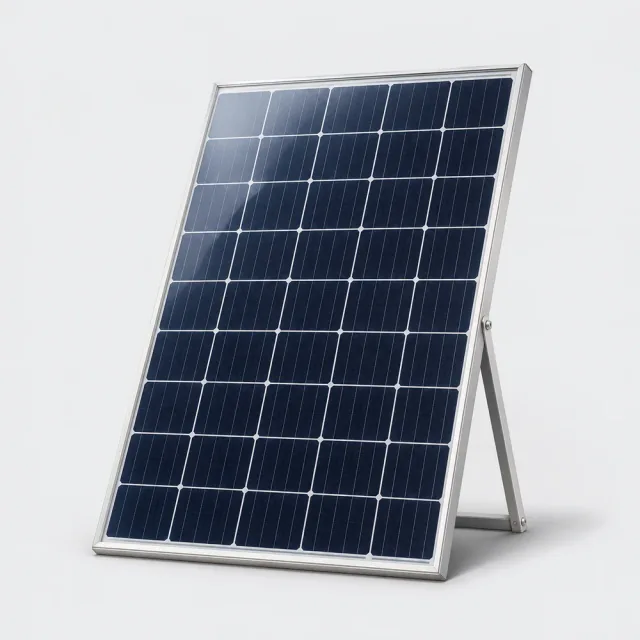
Solar panel
A fragile semiconductor protected for outdoor work.
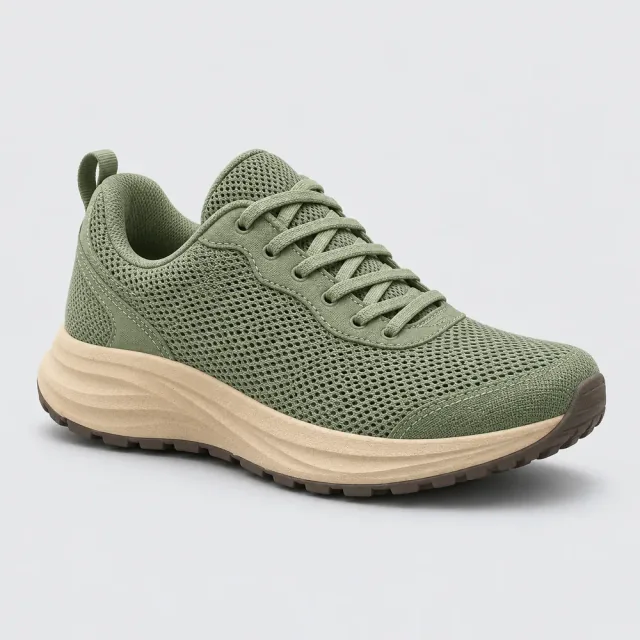
Running shoe
A hard-wearing surface, a soft middle, a flexible shell.
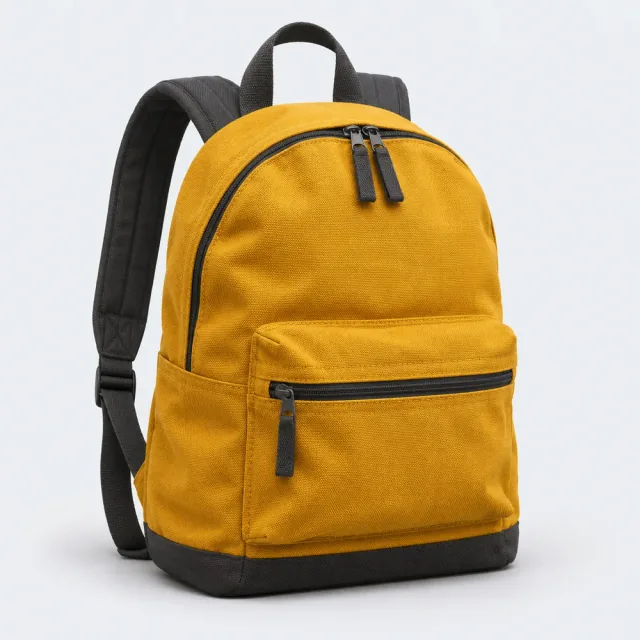
Backpack
A flexible container with a hidden load path.

Bound book
Paper becomes a durable sequence through its binding.
Follow the evidence
Original explanations informed by the sources below. Technical and industry sources support material behaviour; industry environmental marketing is not treated as a universal comparison. Browse the source register.
- Ethylene Vinyl Acetate EVA ↗British Plastics Federation · Undated · Checked 2026-11-13
- Solar Photovoltaic Manufacturing Basics ↗U.S. Department of Energy · Undated · Checked 2026-11-13
- Solar Photovoltaics Supply Chain Deep Dive Assessment ↗U.S. Department of Energy · 2022-02-24 · Checked 2026-11-13