Backpack
A flexible container with a hidden load path.
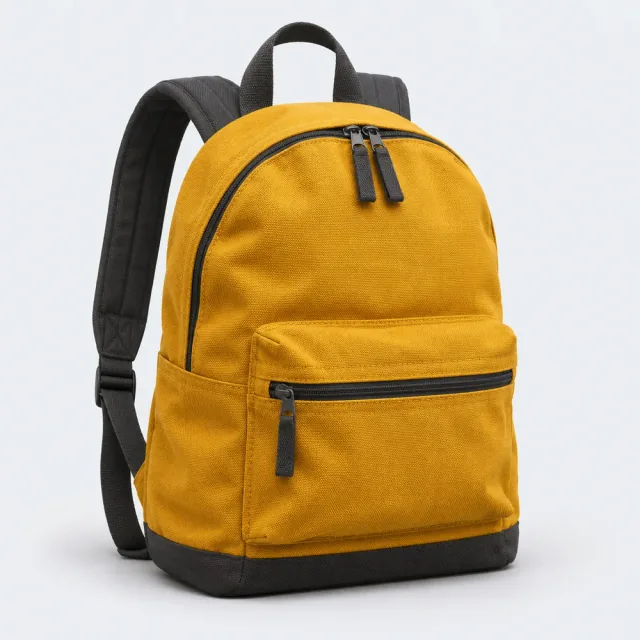
A backpack is a structure that happens to be sewn. Its fabric contains the contents, its straps transfer their weight, and small pieces of hardware keep the whole system adjustable. This representative everyday pack uses a woven synthetic shell, a lining, padded straps and a zipper. Coatings and reinforcement change how it handles rain and abrasion; a material name alone cannot establish that the complete bag is waterproof.
Start with a part, then follow a material. No specialist knowledge needed.
Inside the object
Original conceptual illustration. Numbers open the component index; their positions are illustrative, not a disassembly guide. Equivalent text follows beside the diagram.
1Outer shell
Woven nylon can provide a strong, flexible outer fabric. A polyurethane coating on the cloth can restrict water entry through the weave. Stitch holes, zippers and worn coatings remain possible entry points, so a coated fabric and a waterproof finished pack are different claims.
2Lining and pockets
A light polyester lining creates smooth internal surfaces and divides the storage space. It protects the shell from some rubbing and helps small items slide into pockets. It usually carries less load than the outer fabric and reinforced attachment points, so its construction can be lighter.
3Shoulder straps
4Zipper
A coil zipper can use a continuous polyester element mounted on textile tapes, with a die-cast zinc alloy slider bringing the sides together. The coil is not necessarily nylon despite familiar naming. Metal-toothed and moulded-tooth zippers are other constructions with different repair parts.
5Adjustment buckle
Acetal, or POM, is used for some moulded buckles because it combines stiffness, resilience and relatively low friction. The buckle geometry grips the webbing and releases deliberately. Nylon buckles and metal fittings are alternatives, and a broken buckle must be matched to its actual strap and function.
Why these materials?
A pack demonstrates why strength belongs to an assembly. A tough fabric does little good if a strap attachment tears away, and thick padding does not make a weak seam stronger. A close weave can improve abrasion resistance but adds weight and changes flexibility. Coatings help manage rain yet can complicate repair and separation of the fabric later. Designers distribute reinforcement where the load enters the bag, while leaving other panels lighter. Access also matters: a large opening is convenient, but its zipper becomes another highly worked part.
One object, many versions.
School bags, climbing packs and travel bags solve different problems. Some use polyester instead of nylon, cotton canvas instead of either, or laminated fabrics with several polymers. Framed hiking packs can add aluminium stays and a substantial hip belt. Denier describes yarn linear density, not a universal score for fabric strength or waterproofness.
What happens after use?
A repaired zipper, seam or replaceable buckle can keep a usable pack working. Follow the maker’s cleaning and drying instructions because heat, detergents and solvents can affect coatings and foam. Pass on a sound bag before considering material recovery. Mixed textiles, coatings, padding and fittings rarely belong in household packaging collection; a textile or manufacturer collection scheme must explicitly accept the complete item.
Familiar things, connected.
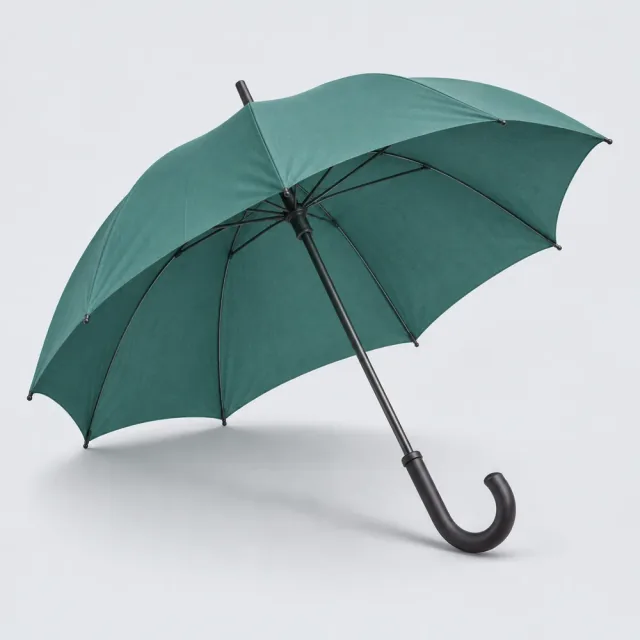
Umbrella
A lightweight roof that must fold into a bundle.
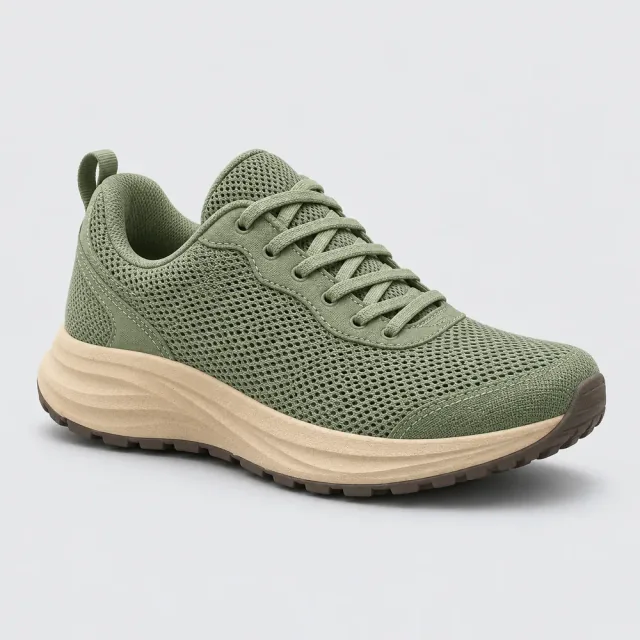
Running shoe
A hard-wearing surface, a soft middle, a flexible shell.
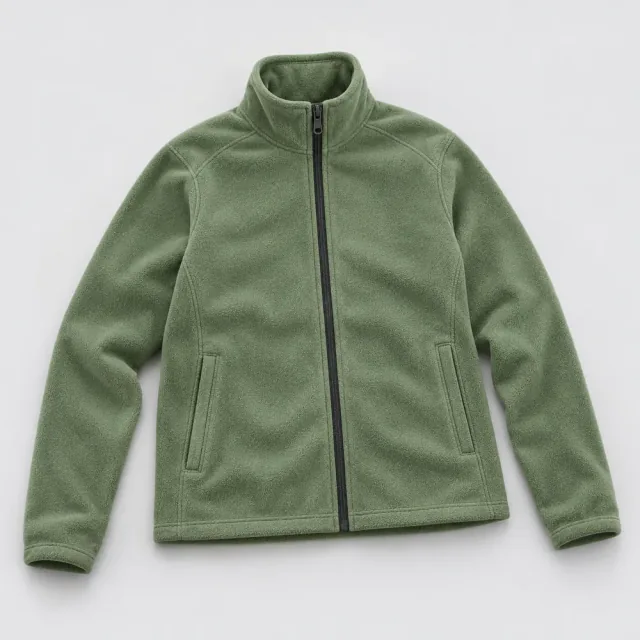
Fleece jacket
A familiar bottle polymer, rearranged into warmth.
Follow the evidence
Original explanations informed by the sources below. Technical and industry sources support material behaviour; industry environmental marketing is not treated as a universal comparison. Read our editorial method.
- Everyday Line: bag construction and materials ↗Peak Design · Undated · Checked 2026-11-13
- Sustainable Selection: NATULON Plus coil zipper ↗YKK · 2024-05 · Checked 2026-11-13
- Duraflex Standard Items ↗Shimada Shoji, Duraflex distributor · Undated · Checked 2026-11-13
- Nylons (Polyamide) ↗British Plastics Federation · Undated · Checked 2026-11-13
- Melt Spinning ↗Textile Exchange · Undated · Checked 2026-11-13
- Frequently asked questions on polyurethanes ↗ISOPA / Polyurethanes.org · Undated · Checked 2026-11-13
- The chemistry of polyurethanes ↗Danielle Williams, Lawrence Industries · Undated · Checked 2026-11-13
- Polyesters (Thermoplastic) PETP, PBT, PET ↗British Plastics Federation · Undated · Checked 2026-11-13
- Microplastics from textiles: towards a circular economy for textiles in Europe ↗European Environment Agency · 2022 · Checked 2026-11-13
- Ethylene Vinyl Acetate EVA ↗British Plastics Federation · Undated · Checked 2026-11-13
- Solar Photovoltaic Manufacturing Basics ↗U.S. Department of Energy · Undated · Checked 2026-11-13
- Solar Photovoltaics Supply Chain Deep Dive Assessment ↗U.S. Department of Energy · 2022-02-24 · Checked 2026-11-13
- Zinc — element information, properties and uses ↗Royal Society of Chemistry · Undated · Checked 2026-11-13
- Mineral Commodity Summaries 2026 — Zinc ↗U.S. Geological Survey, National Minerals Information Center · 2026-05-27 (version 1.3) · Checked 2026-11-13
- Polyacetals POM ↗British Plastics Federation · Undated · Checked 2026-11-13
- Ultraform (POM) — Polyoxymethylene solutions ↗BASF · Undated · Checked 2026-11-13