Cotton
Cotton fibres grow on the seeds of the cotton plant. Their cellulose-rich structure can be spun into yarn and made into soft, absorbent fabrics. A T-shirt’s feel depends on fibre quality, yarn structure, knitting and finishing as well as the plant source. Cotton is renewable through cultivation, but renewable does not mean impact-free: growing conditions, irrigation, agricultural inputs and textile processing all contribute to its material story.
Useful properties
Why it earns its placeFrom input to useful material.
A simplified industrial pathway. Select a stage to learn what changes. Recycled feedstock and other process variants can enter at different stages.
Origins & processing
Harvested seed cotton is cleaned and ginned to separate fibre from seed. Baled fibres are selected and blended, then opened, cleaned and carded; some yarn routes also include combing. Spinning turns the prepared fibres into yarn. Knitting or weaving makes fabric, followed by treatments such as scouring, dyeing and finishing. Each stage affects the resulting product. A cotton field, spinning mill, dyehouse and sewing workshop can be in different places, so a garment’s final country label is an incomplete account of its origins.
Where it turns up
T-shirts, towels, linings and some shoe uppers use cotton. Fabric construction explains why a woven canvas shoe upper feels unlike a knitted shirt. Cotton can also be blended with polyester or elastane for selected performance. A cotton-rich product may include synthetic thread, prints, coatings or other components even when its main fabric is cotton.
Useful, with limits.
Cotton can hold water and dry slowly relative to some synthetic fabrics. It may wrinkle, shrink or wear depending on construction and treatment. Water use and agricultural impacts vary by region and practice; a single global number can conceal those differences. Natural fibre does not automatically mean a finished, dyed or blended garment is suitable for composting.
A next life depends on the system.
Repair and reuse keep the textile structure useful. Mechanical recycling can shorten fibres, limiting the strength of new yarn unless compensated by blending or another process. Collected textiles may become other products rather than another shirt. Dyes, prints and mixed fibres affect options. Local textile collection should be checked separately from paper or packaging recycling.
Familiar things, connected.
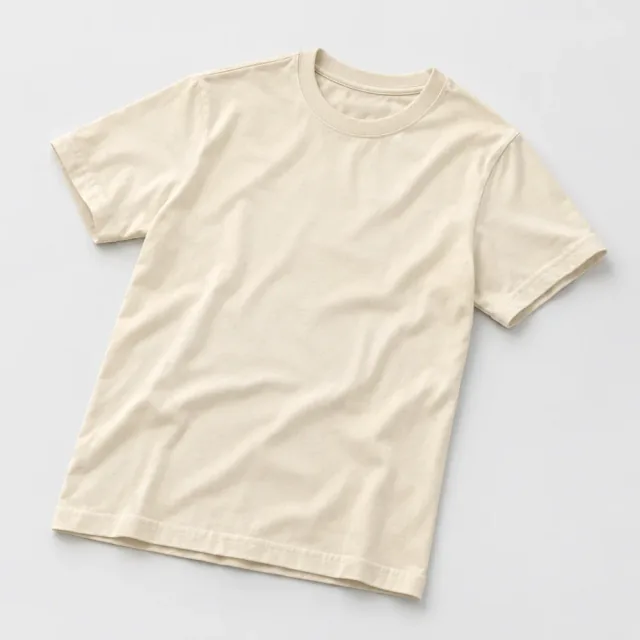
Cotton T-shirt
Plant fibres become yarn, then a flexible looped fabric.
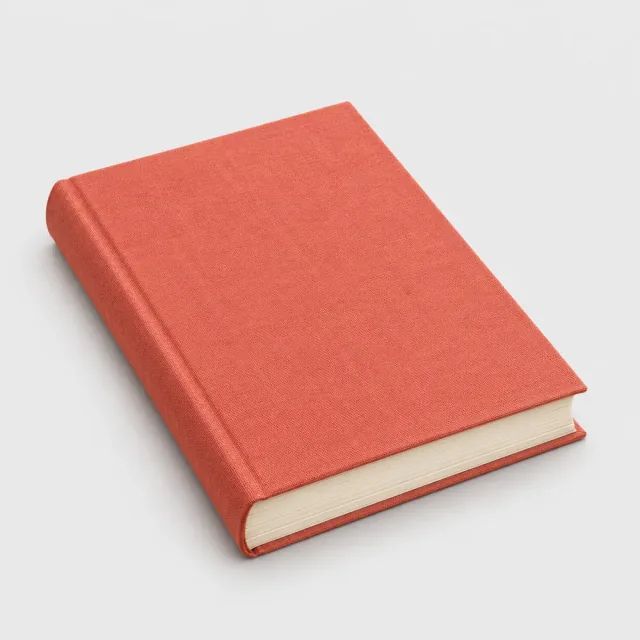
Bound book
Paper becomes a durable sequence through its binding.
Loudspeaker
A light diaphragm moves air while a heavier structure holds it in line.
Jeans
A tough woven surface with carefully placed flexibility.
Follow the evidence
Original explanations informed by the sources below. Technical and industry sources support material behaviour; industry environmental marketing is not treated as a universal comparison. Read our editorial method.
- Textile Fibers ↗Cotton Incorporated · 2013 · Checked 2026-11-13
- Fiber Preparation for Spinning ↗Cotton Incorporated / CottonWorks · Undated · Checked 2026-11-13