Jeans
A tough woven surface with carefully placed flexibility.
Jeans are more than blue cotton. The familiar denim surface comes from a woven structure, differently coloured yarn systems and finishing that changes both appearance and feel. This example follows stretch jeans with cotton-rich denim, an elastane contribution, sewn pockets and metal fasteners. Rigid cotton denim, button flies and many other constructions remain common, so neither the colour nor the word denim identifies a complete fibre recipe.
Start with a part, then follow a material. No specialist knowledge needed.
Inside the object
Original conceptual illustration. Numbers open the component index; their positions are illustrative, not a disassembly guide. Equivalent text follows beside the diagram.
1Denim panels
Cotton yarns supply most of the fabric in this representative construction. An elastane-containing yarn adds stretch and recovery. Denim's diagonal twill structure is a separate feature from its fibre blend: a rigid, entirely cotton denim can have the same visible diagonal pattern.
2Seams and reinforcement
Sewing thread joins cut panels and reinforces heavily loaded areas such as pocket openings. Polyester core-spun thread is one established option. The seam must accommodate the garment's movement; strong thread alone cannot prevent the surrounding fabric from tearing at an overloaded stitch line.
3Pocket bags and waistband
A woven cotton pocket bag can be lighter than the outer denim, reducing bulk while holding small objects. The folded waistband distributes tension around the body. These regions may use different fabrics even when the garment's main fibre label is dominated by cotton.
4Fly and metal fasteners
A zipper fly, waistband button and pocket rivets concentrate loads into small areas. Metal teeth and hardware use different alloys and finishes, which the visible colour does not reliably identify. A copper-coloured rivet is therefore not enough evidence to call it solid copper.
Composition explained here; no separate material entry in this edition.
Why these materials?
The characteristic blue-and-pale contrast begins before the jeans are assembled. Many denim constructions combine indigo-dyed warp yarns with lighter weft yarns. Weaving, cutting, sewing and garment finishing then produce the final fit and surface. Wear changes exposed yarn surfaces unevenly, creating fading around folds and contact points. Adding stretch changes the engineering problem: the fabric and seams must extend together, and recovery matters as well as initial softness. Reinforcement is useful only where the resulting stiffness remains comfortable.
One object, many versions.
Rigid jeans may contain only cotton in their main fabric. Stretch versions can combine cotton with elastane and other fibres, including polyester. Lightweight fashion denim and heavier workwear differ in yarn size, weave and finish. A distressed appearance can be manufactured rather than evidence of long service.
What happens after use?
Follow the garment's care label, particularly where stretch fibres and finishes are present. Repairing a small hole or weakened pocket early can keep a larger area from failing. Pass on wearable jeans; ask a textile collector whether damaged blended denim is accepted. Mixed fibres, metal hardware and finishing treatments complicate fibre recovery and do not belong in paper recycling.
Familiar things, connected.
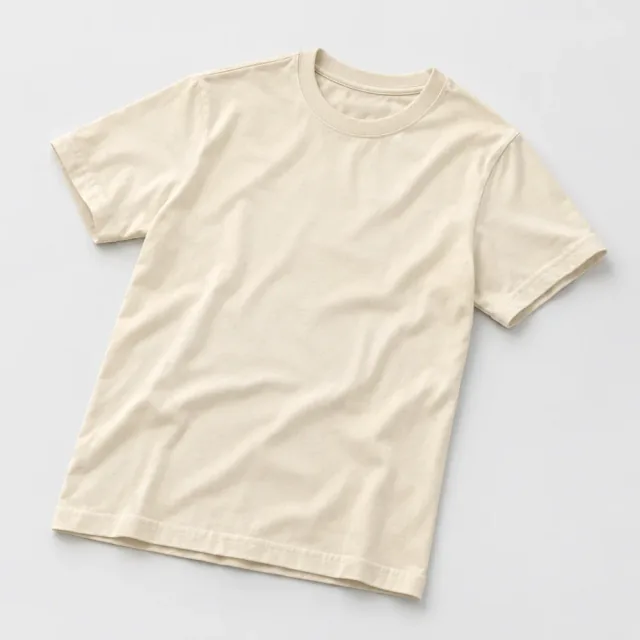
Cotton T-shirt
Plant fibres become yarn, then a flexible looped fabric.
Leather belt
A flexible strap that carries force through a few small holes.
Bed sheet
A textile surface with a carefully controlled fit.
Follow the evidence
Original explanations informed by the sources below. Technical and industry sources support material behaviour; industry environmental marketing is not treated as a universal comparison. Read our editorial method.
- Denim Basics ↗Cotton Incorporated / CottonWorks · Undated · Checked 2026-11-14
- Why choose LYCRA dualFX technology? ↗The LYCRA Company · Undated · Checked 2026-11-14
- Coats Epic ↗Coats Group · Undated · Checked 2026-11-14
- Standard metal zippers ↗YKK Japan · Undated · Checked 2026-11-14
- Textile Fibers ↗Cotton Incorporated · 2013 · Checked 2026-11-13
- Fiber Preparation for Spinning ↗Cotton Incorporated / CottonWorks · Undated · Checked 2026-11-13
- Quality: LYCRA fibre, spandex and elastane questions ↗The LYCRA Company · Undated · Checked 2026-11-14
- Manufactured fibres report: section 3.4 Spandex–Polyurethane ↗TERA / University of Cincinnati, prepared for the U.S. Consumer Product Safety Commission · 2016-09-20; CPSC staff statement October 2016 · Checked 2026-11-14
- New insights into urethane alcoholysis enable chemical full recycling of blended fabric waste ↗Royal Society of Chemistry / Green Chemistry · 2023 · Checked 2026-11-14
- Polyesters (Thermoplastic) PETP, PBT, PET ↗British Plastics Federation · Undated · Checked 2026-11-13
- Melt Spinning ↗Textile Exchange · Undated · Checked 2026-11-13
- Microplastics from textiles: towards a circular economy for textiles in Europe ↗European Environment Agency · 2022 · Checked 2026-11-13