Copper
Copper is the reddish metal hidden inside cables, motor coils and circuit boards. It lets electric current travel with relatively little resistance, while remaining ductile enough to draw into wire. Its heat conductivity is also useful in cookware and heat exchangers. Copper is often used with high purity for wiring, but it also forms alloys such as brass and bronze. A copper-coloured finish is not proof that an object is solid copper.
Useful properties
Why it earns its placeFrom input to useful material.
A simplified industrial pathway. Select a stage to learn what changes. Recycled feedstock and other process variants can enter at different stages.
Origins & processing
Copper occurs in several kinds of ore. Sulfide ores are commonly concentrated, smelted and refined; some oxide ores can follow leaching and electrowinning routes. Refining is important because impurities can interfere with electrical performance. Metal is cast into forms that are rolled into sheet or drawn into wire. Scrap provides another feedstock, with treatment depending on its purity and contamination. Mining, concentration and refining should not be treated as one place or one production statistic.
Where it turns up
A phone, headphones and a washing machine all need conductors, even though their currents and construction differ. In a motor, insulated copper wire forms coils. A circuit board carries thin copper tracks supported by an insulating laminate. Copper layers may also be enclosed within a multi-material saucepan base.
Useful, with limits.
Copper is heavier than aluminium for the same volume and is not the cheapest answer to every electrical task. It reacts with its surroundings, forming surface compounds; the consequences differ between an exposed roof and an electrical contact. Mining and refining create site-specific waste, water and energy demands that a simple recyclability claim cannot describe.
A next life depends on the system.
Copper scrap has value, but recovery depends on collection and separation. An accessible cable is a different recycling problem from tiny tracks bonded into a circuit board. Electrical products belong in an appropriate collection system. Burning insulation or using home chemical extraction creates hazards and is not a responsible route to recovering this metal.
Familiar things, connected.
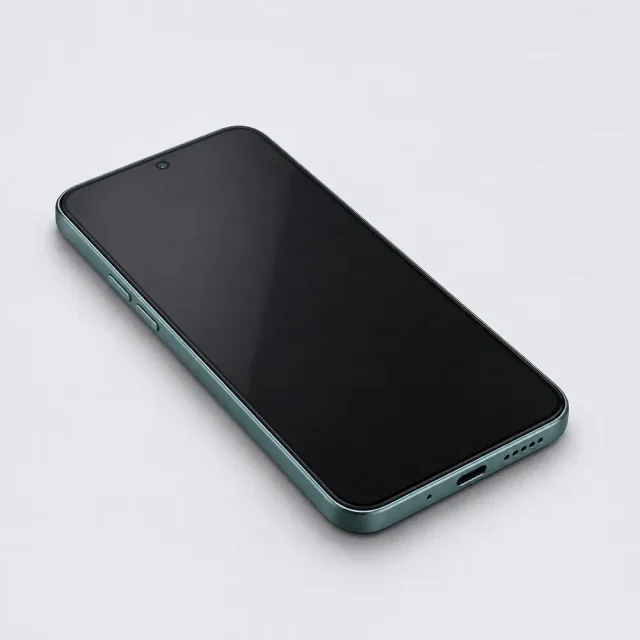
Mobile phone
A small meeting place for very different materials.
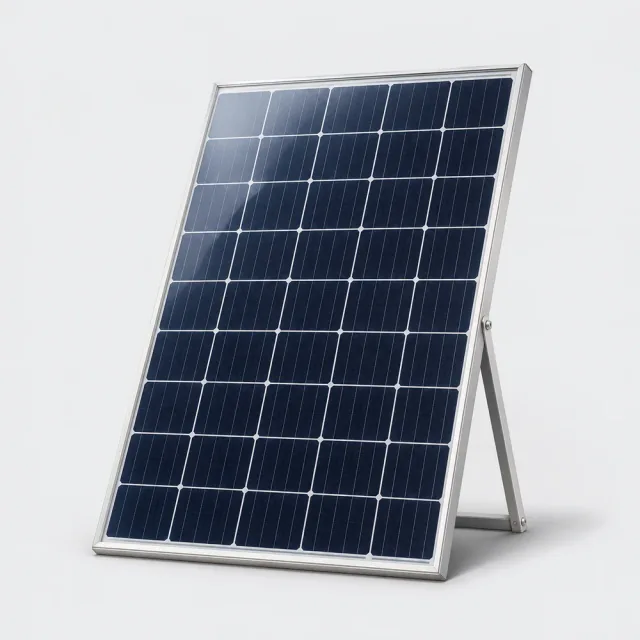
Solar panel
A fragile semiconductor protected for outdoor work.
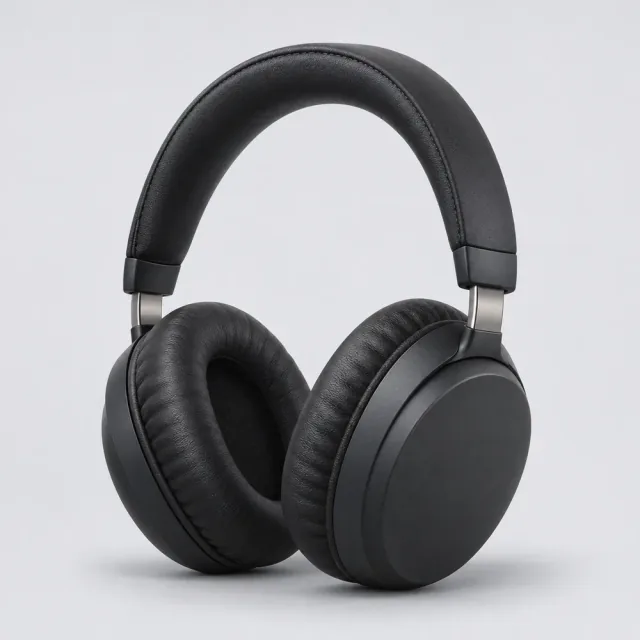
Headphones
A controlled movement becomes sound.
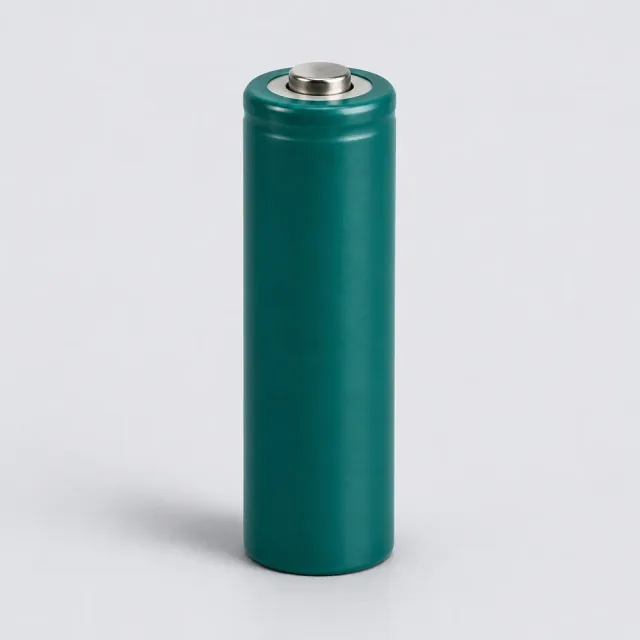
Lithium-ion battery
Ions travel inside; electrons take the useful outside route.
Follow the evidence
Original explanations informed by the sources below. Technical and industry sources support material behaviour; industry environmental marketing is not treated as a universal comparison. Browse the source register.
- Mineral Commodity Summaries 2026 — Copper ↗U.S. Geological Survey, National Minerals Information Center · 2026-05-27 (version 1.3) · Checked 2026-11-13
- Copper Life Cycle ↗International Copper Association · Undated · Checked 2026-11-13