Bronze
Bronze traditionally means a copper–tin alloy, but modern names also include aluminium bronze and silicon bronze. Those families do not share one universal recipe. Tin bronzes and phosphor bronzes are useful where strength, spring action or wear behaviour must accompany corrosion resistance. A cast bell, a small bearing and a thin contact spring illustrate different choices within the family. The word bronze may also describe a surface colour, which does not establish the composition underneath.
Useful properties
Why it earns its placeLoad and spring performance ↗
Composition and working history allow some bronze grades to retain useful strength in thin springs or loaded components.
Bearing contact behaviour ↗
Selected bearing bronzes work well with suitable shafts and lubrication; friction belongs to the complete contact system.
Alloy-specific protection ↗
Tin and aluminium bronzes have different corrosion behaviour; the environment and grade must be considered together.
From input to useful material.
A simplified industrial pathway. Select a stage to learn what changes. Recycled feedstock and other process variants can enter at different stages.
Origins & processing
For a tin bronze, refined copper and tin or composition-controlled scrap are melted and combined. Small phosphorus additions distinguish many phosphor bronzes; other additions serve particular casting or machining needs. Cast products solidify in moulds, whereas wrought stock receives further rolling, drawing or other deformation. The resulting microstructure and heat treatment matter as well as the nominal chemistry. A porous bearing made by consolidating metal powder follows another route, showing why one production diagram cannot cover every bronze component.
Where it turns up
Bronzes serve in bearings, bushes, gears, springs, electrical contacts, bells and sculptural castings. Phosphor-bronze wire can form the winding of acoustic-guitar strings, while specialised bronze alloys appear in watch cases or mechanisms. These are possible component choices, not a claim that every guitar or watch contains bronze. Many products combine it with other metals.
Useful, with limits.
Adding alloying elements generally reduces conductivity relative to pure copper. Bearing performance depends on lubrication, alignment and the opposing surface; bronze is not inherently frictionless. Some historical or specialised grades contain lead. Patina can be expected on exposed surfaces, but an attractive aged colour does not prove that a component remains mechanically sound or suitable for a particular liquid environment.
A next life depends on the system.
Known bronze scrap can be remelted or refined, but separating tin bronze from aluminium bronze and other copper alloys protects alloy quality. Small mixed components are harder to recover than substantial clean castings. A repairable bearing housing, instrument or decorative object may last through component replacement. When recycling is appropriate, specialist metal collection is preferable to assuming that household packaging collections accept it.
Familiar things, connected.
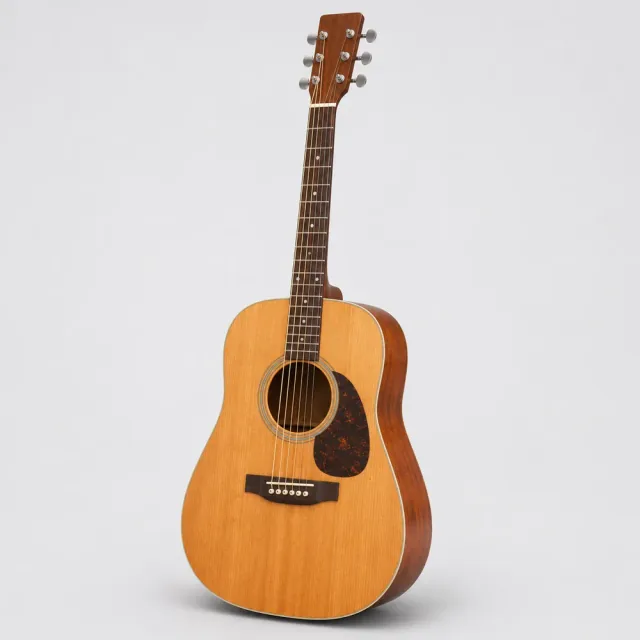
Acoustic guitar
A wooden resonator turns a string’s small motion into audible sound.
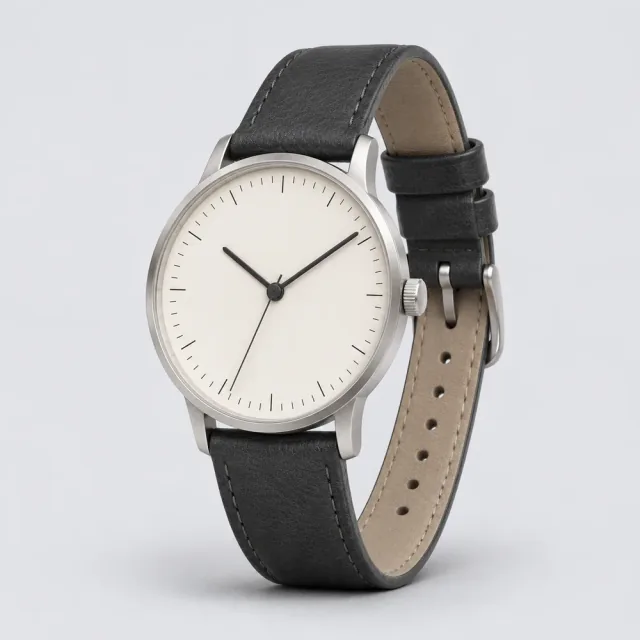
Quartz wristwatch
A tiny vibrating crystal provides the rhythm for moving hands.
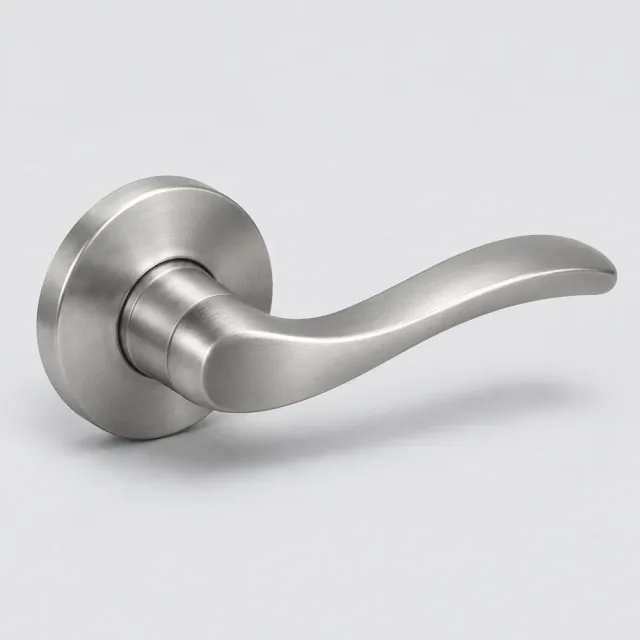
Door handle
A hand-sized lever translates a small movement into a latch action.
Follow the evidence
Original explanations informed by the sources below. Technical and industry sources support material behaviour; industry environmental marketing is not treated as a universal comparison. Browse the source register.
- Introduction to copper and copper alloys ↗Copper Information Center / International Copper Association · 2021-04-21 · Checked 2026-11-13
- Bronzes ↗Copper Information Center / International Copper Association · 2021-04-26 · Checked 2026-11-13
- Single Phosphor Bronze Wound Strings ↗D’Addario · Undated · Checked 2026-11-13