Alumina
Alumina is aluminium oxide, not aluminium metal. It is both an important intermediate in aluminium production and a useful ceramic in its own right. Dense, engineered alumina can provide hardness, wear resistance and electrical insulation. Its role in an electronic substrate is especially revealing: the part can block electrical current while still transferring useful heat. Purity, porosity and processing strongly affect performance.
Useful properties
Why it earns its placeFrom input to useful material.
A simplified industrial pathway. Select a stage to learn what changes. Recycled feedstock and other process variants can enter at different stages.
Origins & processing
Much industrial alumina is refined from bauxite. Ceramic manufacture requires powders with controlled particle size, purity and additives, rather than simply using any refinery product. Powders are shaped by pressing, casting or other methods and fired to bond and densify the particles. Machining, metallization or other finishing may follow for an electronic part. A metal smelter instead uses alumina as feedstock for electrolysis. These two destinations demonstrate why a raw chemical formula is not a complete description of the finished material.
Where it turns up
Some LED assemblies use alumina substrates to support electrical paths and help move heat. Alumina can also be a reinforcing or wear-resistant ingredient and an abrasive. The actual substrate in a lamp may use another material, including different ceramics or metal-backed boards, so the atlas presents alumina as a construction option.
Useful, with limits.
Hard alumina is difficult to shape after firing and can fracture under impact or tensile stress. Thermal conductivity varies with grade and is not comparable to every metal. Alumina powder, porous material and a dense substrate behave differently. Manufacturing energy and finishing demands also matter; the ceramic’s durability alone cannot establish an environmental advantage.
A next life depends on the system.
An alumina substrate inside electronics usually follows the device’s end-of-life route. Small ceramic fractions are not routinely recovered back into equivalent substrates. Larger clean industrial scrap may have specialist outlets, but those should not be assumed available to households. Repairing an electrical product can preserve the useful assembly around this difficult-to-separate component.
Familiar things, connected.

Ceramic mug
Soft clay becomes a rigid, partly glassy body.

Skateboard
A springy deck above four engineered contact patches.
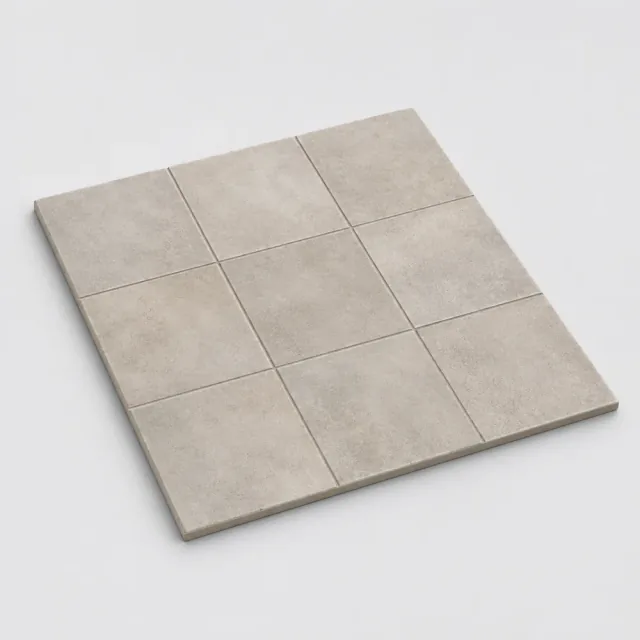
Ceramic tile floor
A hard surface relies on the layers beneath it.

Quartz wristwatch
A tiny vibrating crystal provides the rhythm for moving hands.
Follow the evidence
Original explanations informed by the sources below. Technical and industry sources support material behaviour; industry environmental marketing is not treated as a universal comparison. Browse the source register.
- Advanced Ceramic Substrates for Electronic Applications ↗CeramTec · Undated · Checked 2026-11-13
- Aluminum Production and Processing ↗The Aluminum Association · Undated · Checked 2026-11-13