ABS
ABS combines a rigid styrenic polymer phase with a rubbery component that improves impact behaviour. Its name comes from acrylonitrile, butadiene and styrene, the chemical building blocks involved. This combination makes it useful for housings that need shape, toughness and a good surface finish. A headphone shell or appliance trim can protect internal components without being a metal casting. ABS is typically opaque; a shiny finish is not evidence of metal.
Useful properties
Why it earns its placeFrom input to useful material.
A simplified industrial pathway. Select a stage to learn what changes. Recycled feedstock and other process variants can enter at different stages.
Origins & processing
ABS is manufactured through polymer processes that combine its constituent chemistries into a controlled multiphase structure. The resin is compounded and commonly supplied as pellets. Injection moulding heats the material and forces it into a mould, then cooling fixes the shape. Pigments, flame-retardant systems or other additives may be selected for a particular application. ABS can also be blended with polycarbonate. A moulded part’s performance consequently depends on the grade, wall design and processing history, not merely the acronym.
Where it turns up
Headphone housings, appliance trim and some electronics enclosures can use ABS or related blends. Moulded ribs and clips help a shell do more than cover a surface: they locate parts and carry loads. An appliance may combine ABS with PP, steel and other materials chosen for very different components.
Useful, with limits.
Unmodified ABS is not ideal for every outdoor or high-temperature application. Sunlight, solvents and sustained stress can affect performance, while additives change recycling considerations. A tough shell does not guarantee that the whole product survives a drop. Repairability also depends on fasteners and access, which are design choices beyond the polymer itself.
A next life depends on the system.
Sorted ABS manufacturing scrap and some recovered housings can be reprocessed, but mixed electronics plastics need careful identification and additive management. A headphone shell does not belong in a bottle-collection stream just because it is plastic. Repairable joints and replaceable components can help preserve the complete product before material recovery becomes necessary.
Familiar things, connected.
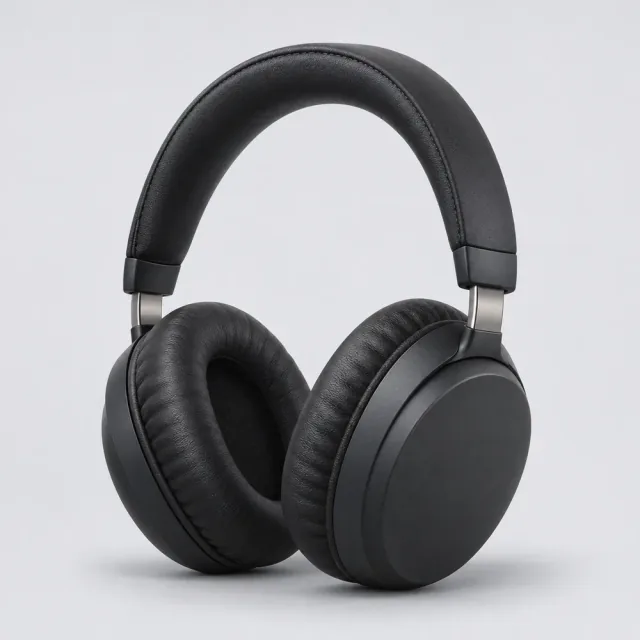
Headphones
A controlled movement becomes sound.
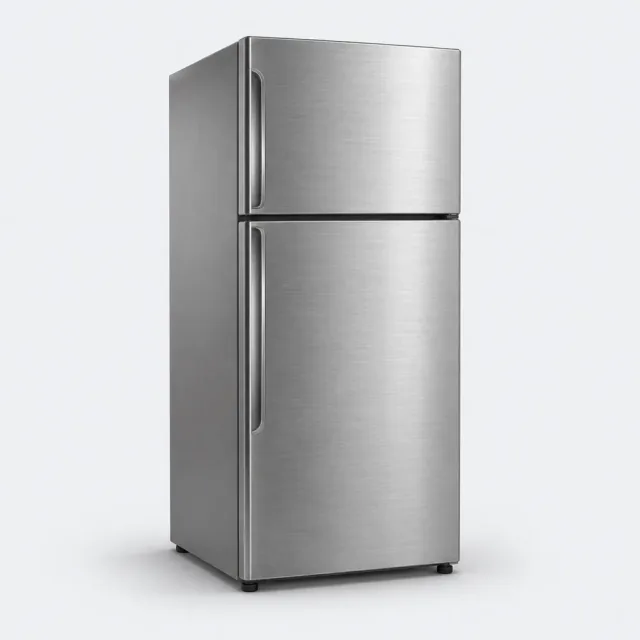
Refrigerator
A machine that moves heat, wrapped in materials that slow its return.
Blender
A tough vessel around a fast-moving cutting and circulation system.
Microwave oven
A metal enclosure that contains waves while a window admits light.
Follow the evidence
Original explanations informed by the sources below. Technical and industry sources support material behaviour; industry environmental marketing is not treated as a universal comparison. Read our editorial method.
- Acrylonitrile Butadiene Styrene (ABS) and Other Specialist Styrenics ↗British Plastics Federation · Undated · Checked 2026-11-13
- Plastics Processes ↗British Plastics Federation · Undated · Checked 2026-11-13