Washing machine
A wet working chamber inside a structural and electrical system.
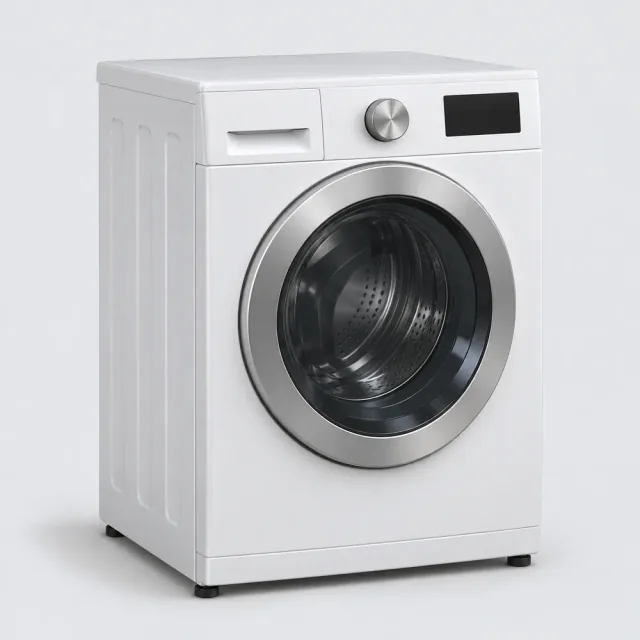
A washing machine must contain water, move a heavy changing load and tolerate detergents, heat and repeated vibration. The rotating drum, outer tub, cabinet and drive system therefore have different material requirements. This representative front-loading appliance has a stainless drum, polymer outer tub and steel cabinet. It is a functional overview rather than an exact parts list: pumps, valves, counterweights, suspension, seals and controls add substantial complexity.
Start with a part, then follow a material. No specialist knowledge needed.
Inside the object
Original conceptual illustration. Numbers open the component index; their positions are illustrative, not a disassembly guide. Equivalent text follows beside the diagram.
1Rotating drum
The perforated drum holds laundry while allowing water to pass through. Stainless steel provides corrosion resistance, formability and a durable surface for repeated wet use. Carefully finished holes and joins matter to fabric handling. Ferritic grades are used in some drums, so stainless does not automatically mean a high-nickel alloy.
2Outer tub
A stationary tub surrounds the drum and contains the wash water. Polypropylene-based mouldings are one construction option, sometimes reinforced or filled. The outer tub has a different role from the rotating drum: it must be watertight and support connected assemblies rather than provide the same exposed laundry-contact surface.
3Cabinet and structure
Formed steel panels and structural members provide stiffness and mounting points. Paint or other protective finishes limit corrosion and create the exterior appearance. A thin sheet becomes much more useful when folded and reinforced, showing how geometry contributes to the cabinet’s ability to carry and locate internal parts.
4Motor and controls
A motor uses conductive windings and magnetic materials to create motion, while electronic controls coordinate operation. Copper, electrical steels and silicon devices are representative materials. Motor topology varies; some designs use permanent magnets and others do not. The machine’s energy use cannot be inferred from one motor material alone.
5Door, seals and connections
A front door can include a specially formed glass window, while flexible elastomer seals contain water around moving or opening regions. EPDM is a common seal family outside this atlas. Copper wiring and insulated connections complete the electrical paths. These small interfaces are crucial to safe operation.
Why these materials?
The drum and tub are easy to confuse because one sits inside the other. The perforated drum moves the laundry, while the surrounding tub holds water. Stainless steel is useful at the moving wet surface; a moulded polymer can create the complex outer vessel and connection points. The steel cabinet, suspension and counterweights then manage forces from the rotating load. Repair access matters: a replaceable bearing, pump or seal may preserve most of the appliance, while permanently joined assemblies can make a small failure expensive to address.
One object, many versions.
Top-loading and front-loading machines arrange the tubs, agitators and drive systems differently. Outer tubs may be stainless steel or polymer; cabinet finishes and motor designs vary. Washer-dryers add another thermal system. The presence of a recyclable metal drum does not mean the whole machine is straightforward to recycle, and a specific repair depends on its exact model and construction.
What happens after use?
A qualified appliance repairer can assess replaceable parts and whether continued use is practical. Water and mains electricity make untrained internal repair hazardous. Working machines may be reused through appropriate channels. At end of service, use appliance collection or an authorized recycler that can separate metals, electronics and polymers. Disconnecting plumbing, moving the heavy machine and handling electrical connections require suitable care and competence.
Familiar things, connected.
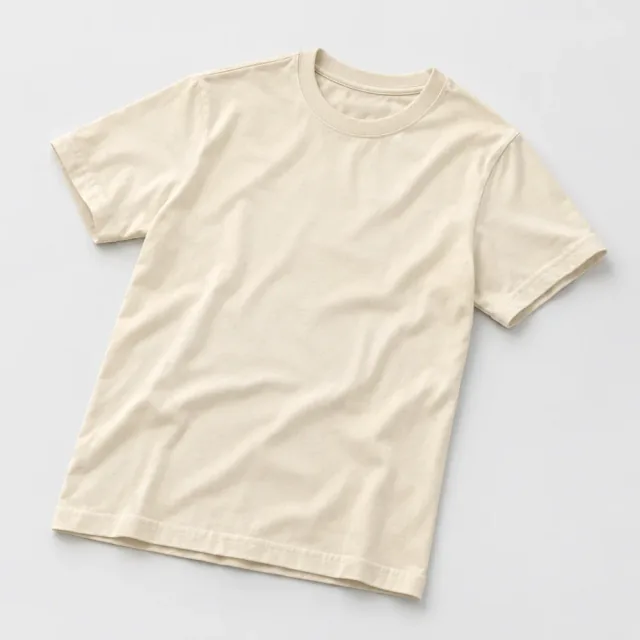
Cotton T-shirt
Plant fibres become yarn, then a flexible looped fabric.
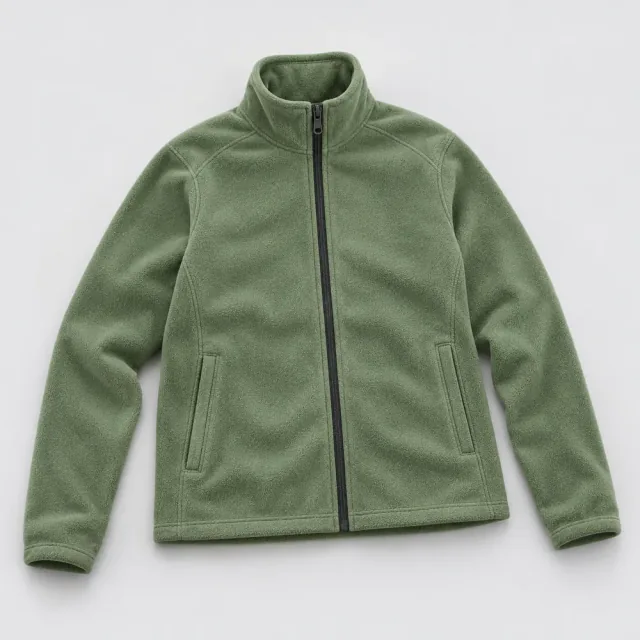
Fleece jacket
A familiar bottle polymer, rearranged into warmth.
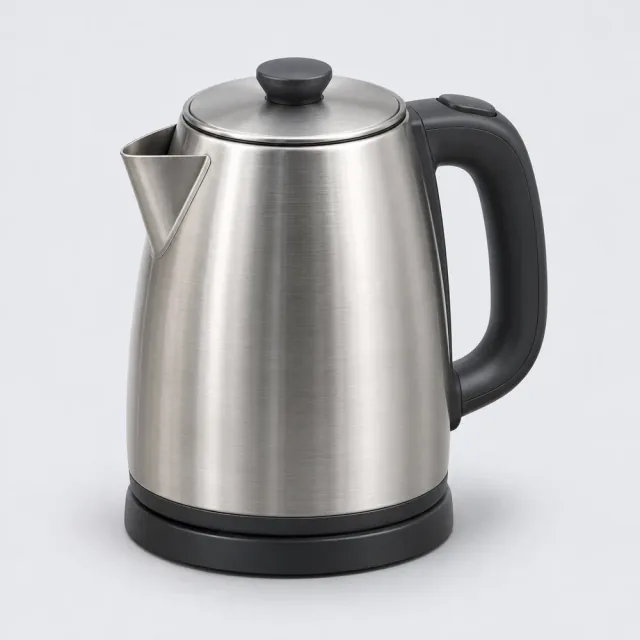
Electric kettle
Heat where it is useful, insulation where it is held.
Follow the evidence
Original explanations informed by the sources below. Technical and industry sources support material behaviour; industry environmental marketing is not treated as a universal comparison. Browse the source register.
- Quality built to last: washing machine drums ↗Outokumpu · 2018 · Checked 2026-11-13
- LBB14PK-2 washing machine technical specification ↗Smeg · Undated · Checked 2026-11-13
- General principles for selection of stainless steels ↗British Stainless Steel Association · Undated · Checked 2026-11-13
- Recycling ↗worldstainless · Undated · Checked 2026-11-13
- Polypropylene (PP) ↗British Plastics Federation · Undated · Checked 2026-11-13
- Plastics Processes ↗British Plastics Federation · Undated · Checked 2026-11-13
- What is steel? ↗World Steel Association · Undated · Checked 2026-11-13
- Raw materials ↗World Steel Association · Undated · Checked 2026-11-13
- Mineral Commodity Summaries 2026 — Copper ↗U.S. Geological Survey, National Minerals Information Center · 2026-05-27 (version 1.3) · Checked 2026-11-13
- Copper Life Cycle ↗International Copper Association · Undated · Checked 2026-11-13
- Silicon — element information, properties and uses ↗Royal Society of Chemistry · Undated · Checked 2026-11-13
- Mineral Commodity Summaries 2026 — Silicon ↗U.S. Geological Survey, National Minerals Information Center · 2026-05-27 (version 1.3) · Checked 2026-11-13
- Solar Photovoltaic Manufacturing Basics ↗U.S. Department of Energy · Undated · Checked 2026-11-13
- How Do I Recycle Common Recyclables ↗U.S. Environmental Protection Agency · Undated · Checked 2026-11-13
- How we make glass: chemistry of glass ↗Pilkington / NSG Group · Undated · Checked 2026-11-13
- About glass ↗British Glass · Undated · Checked 2026-11-13
- Quality of recycling: Towards a reference framework for the circular economy ↗European Commission Joint Research Centre · 2020 · Checked 2026-11-13