Baseball cap
Soft cloth organised around a deliberately stiff visor.
A baseball cap combines a conformable textile crown with a projecting visor that keeps its shape. Seams turn flat panels into a dome, while an inner band manages the contact with the forehead. This example follows an adjustable fabric cap. Structured fronts, soft unstructured caps and fitted styles use different reinforcements, so a stiff panel or a curved bill does not identify a particular hidden plastic.
Start with a part, then follow a material. No specialist knowledge needed.
Inside the object
Original conceptual illustration. Numbers open the component index; their positions are illustrative, not a disassembly guide. Equivalent text follows beside the diagram.
1Panelled crown
Cotton and polyester are established cap fabrics, used separately or in blends. Cut panels are sewn into the curved crown. Fabric weight, weave and panel geometry influence stiffness and ventilation alongside fibre choice, so two caps with the same label can feel quite different.
2Visor assembly
A stiff insert holds the visor's projection while an outer fabric covering connects it visually and mechanically to the crown. Insert composition varies and is often not disclosed. The drawing identifies this assembly without assigning polypropylene or cardboard from its appearance alone.
Composition explained here; no separate material entry in this edition.
3Inner sweatband
A cotton sweatband is a common contact layer around the lower crown. It gives a softer surface against the forehead and can absorb moisture. Performance caps use other fabrics and constructions; the band should not be confused with a guarantee that the entire cap dries quickly.
4Rear adjustment
An adjustable opening can use a fabric strap and metal clasp, a plastic snap system or another mechanism. The fastening changes circumference without altering the sewn dome. The exact alloy or polymer is product-specific, and its small moving parts may wear before the main fabric.
Composition explained here; no separate material entry in this edition.
Why these materials?
A cap is a useful example of shaping by seams rather than moulding a complete shell. The crown's panels create curvature, but the visor depends on a separate stiff structure. Some front panels also contain buckram reinforcement to preserve a tall profile; soft caps omit that support. Moisture, heat and cleaning can affect each part differently. A washing method that suits cotton cloth may still distort the visor or damage a trim, which is why the assembled product's care instructions matter.
One object, many versions.
Six-panel caps are familiar, but five-panel and other patterns also exist. Fitted caps have no rear adjustment, and stretch-fit styles use their own sizing construction. Mesh-backed caps prioritise ventilation; structured fronts maintain a more upright shape. A logo, embroidery or printed decoration adds another material system without changing those basic distinctions.
What happens after use?
Clean according to the cap's label and allow it to dry in a supported shape if the instructions call for it. Repairing a seam or replacing a compatible adjuster may preserve a useful cap. Donate clean wearable items. For worn caps, ask whether a textile scheme accepts reinforced headwear with mixed trims rather than assuming fabric content guarantees acceptance.
Familiar things, connected.
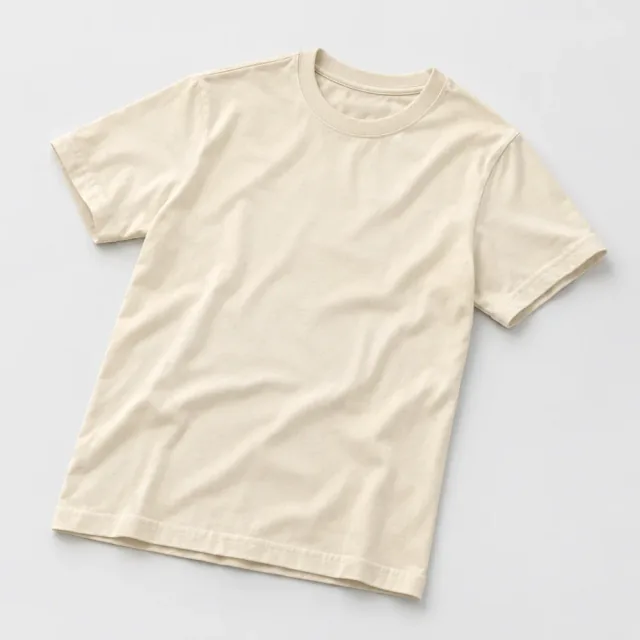
Cotton T-shirt
Plant fibres become yarn, then a flexible looped fabric.
Raincoat
The fabric outside is only one part of the rain barrier.
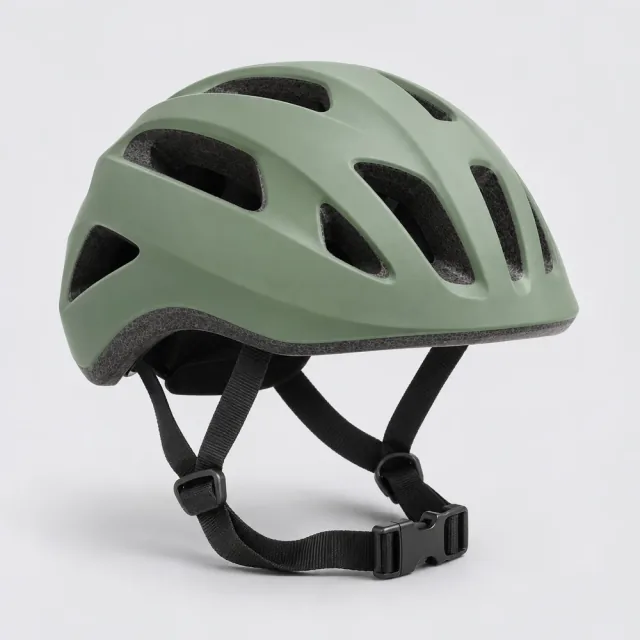
Bicycle helmet
Protection comes from a carefully controlled collapse.
Follow the evidence
Original explanations informed by the sources below. Technical and industry sources support material behaviour; industry environmental marketing is not treated as a universal comparison. Read our editorial method.
- Product Glossary ↗Richardson Sports · Undated · Checked 2026-11-14
- Find your fit: which New Era cap is right for you? ↗New Era Cap · Undated · Checked 2026-11-14
- Textile Fibers ↗Cotton Incorporated · 2013 · Checked 2026-11-13
- Fiber Preparation for Spinning ↗Cotton Incorporated / CottonWorks · Undated · Checked 2026-11-13
- Polyesters (Thermoplastic) PETP, PBT, PET ↗British Plastics Federation · Undated · Checked 2026-11-13
- Melt Spinning ↗Textile Exchange · Undated · Checked 2026-11-13
- Microplastics from textiles: towards a circular economy for textiles in Europe ↗European Environment Agency · 2022 · Checked 2026-11-13