Wool
Wool is an animal fibre made mainly of keratin, the protein also found in hair. Its natural crimp helps create bulky yarns and fabrics that trap air, while its internal structure can take up moisture vapour. Fibre diameter strongly affects how it feels against skin. Merino is a sheep-wool type, not a synonym for every wool. A fine base layer and a coarse upholstery fabric ask different things of the material.
Useful properties
Why it earns its placeFrom input to useful material.
A simplified industrial pathway. Select a stage to learn what changes. Recycled feedstock and other process variants can enter at different stages.
Origins & processing
Wool is shorn, sorted and cleaned to remove grease and dirt. Carding prepares fibres for woollen yarns, while worsted processing includes more alignment and combing for a smoother result. Spinning, weaving or knitting and finishing create the final textile. Treatments can change shrink resistance and washing behaviour. Farm management, fleece characteristics and mill processes all matter, so the material is not fully described by its animal origin. A wool garment can also include dyes, synthetic blends and non-wool sewing components.
Where it turns up
Wool can form warm layers, upholstery, felt and carpets. Some footwear uses wool textiles or felted components. A wool alternative to a fleece jacket changes fibre chemistry but not the need to consider fabric weight, structure and intended conditions. The warmth of a garment is not determined by fibre identity alone.
Useful, with limits.
Heat, moisture and agitation can cause unsuitable wool garments to felt or shrink. Coarser fibres may feel prickly. Farming has land, animal-welfare and emissions considerations that vary by system. Although wool is biologically degradable under suitable conditions, finishing chemicals, blends and disposal conditions determine what happens to a complete product after use.
A next life depends on the system.
Wool garments can be repaired, reused and in suitable streams mechanically recycled into new yarn or other textiles. Fibre quality, colour sorting and blends influence the result. A biodegradable fibre should not be littered, and a local composting service may not accept textiles. Follow the route for the finished garment rather than assuming its natural origin settles disposal.
Familiar things, connected.
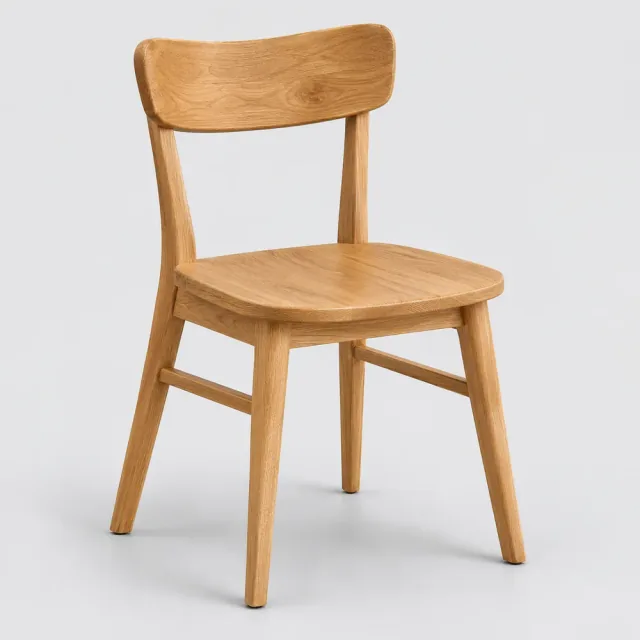
Chair
A frame carries the load; softer layers manage contact.
Wool jumper
Warmth from fibres and the spaces between them.
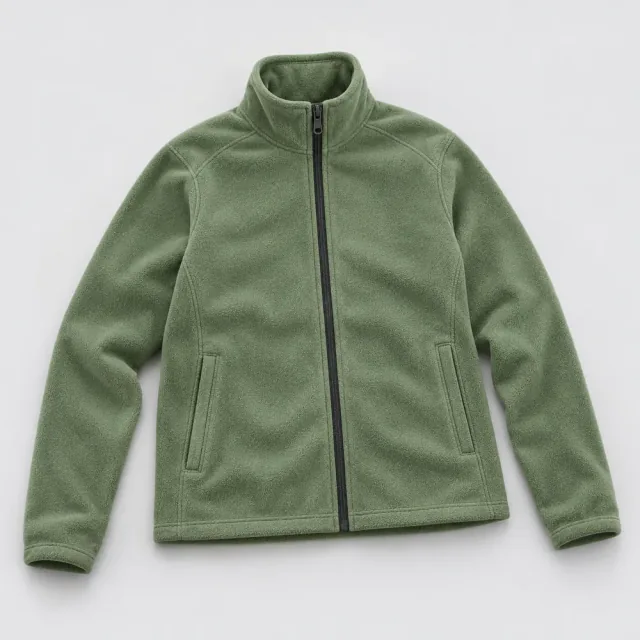
Fleece jacket
A familiar bottle polymer, rearranged into warmth.
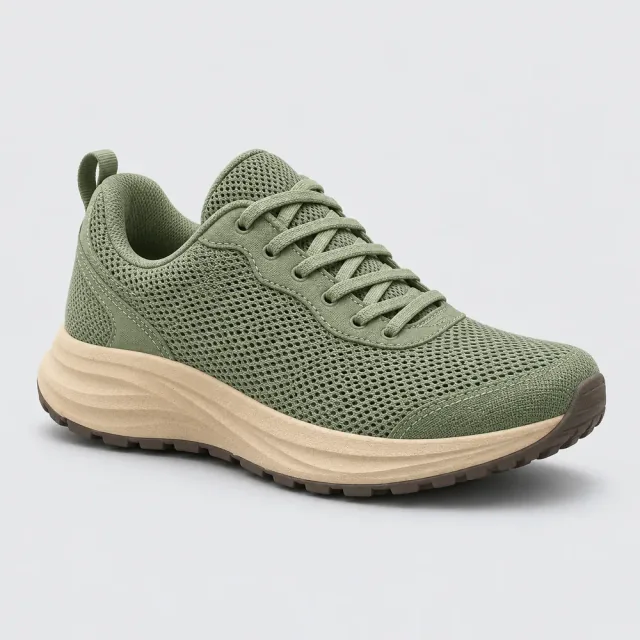
Running shoe
A hard-wearing surface, a soft middle, a flexible shell.
Follow the evidence
Original explanations informed by the sources below. Technical and industry sources support material behaviour; industry environmental marketing is not treated as a universal comparison. Browse the source register.
- What is the Wool Fibre? ↗The Woolmark Company · Undated · Checked 2026-11-13
- How Wool is Made — Processing and Manufacturing ↗The Woolmark Company · Undated · Checked 2026-11-13
- Machine Washable Wool ↗The Woolmark Company · Undated · Checked 2026-11-13