Silver
Silver is a metallic element valued for its electrical conductivity and its ability to reflect visible light. It is relatively soft in pure form, so a finished object may use an alloy, a very thin coating or a silver-containing functional material. A silvered mirror is not a sheet of solid silver, and a silver-oxide watch battery contains a compound at an electrode. These distinctions explain why very different objects can rely on the same element.
Useful properties
Why it earns its placeElectrical conduction ↗
Silver provides highly conductive paths in selected contacts and printed metallisation, where small amounts can perform an important function.
Visible-light reflection ↗
A smooth silver layer reflects light; the useful behaviour is reflection rather than transmission through the metal.
A workable precious metal ↗
Pure silver is soft and can be shaped readily; alloying increases the usefulness of many jewellery and tableware products.
From input to useful material.
A simplified industrial pathway. Select a stage to learn what changes. Recycled feedstock and other process variants can enter at different stages.
Origins & processing
Silver occurs in some native deposits and in minerals associated with other metals. Much production is connected to mining and processing lead, zinc, copper or gold ores, so silver supply is not simply a set of dedicated silver mines. Concentration and subsequent metallurgical separation recover it from these mixed feeds. Refining produces metal of controlled purity, which can then be alloyed, rolled, drawn or converted into a coating or paste. Recoverable industrial scrap and used silver articles provide additional feedstock.
Where it turns up
Silver is used in jewellery, electrical contacts, brazing alloys and reflective coatings. Some mirrors use silver behind a protective glass surface. Silicon solar cells can use silver-containing metallisation to collect current. Button cells may use silver oxide rather than metallic silver as the active electrode material; battery chemistry must be identified from the product, not inferred from its size.
Useful, with limits.
Sulfur-containing substances can react with the surface to form dark tarnish. A reflective or electrical surface may therefore need protection appropriate to its purpose. Silver is also relatively costly and soft, encouraging thin layers or selective use. An elemental property cannot predict the behaviour of every silver compound, and the presence of silver in a product does not by itself establish a health benefit.
A next life depends on the system.
Large identifiable silver items and concentrated production scraps can be economically attractive to recover. Tiny dispersed quantities in electronics, mirror coatings or mixed assemblies are more difficult to collect and separate. Electronics and batteries should enter their designated recovery systems, rather than being treated as loose precious metal. Reuse and repair can retain the labour and other materials already invested in an object.
Familiar things, connected.
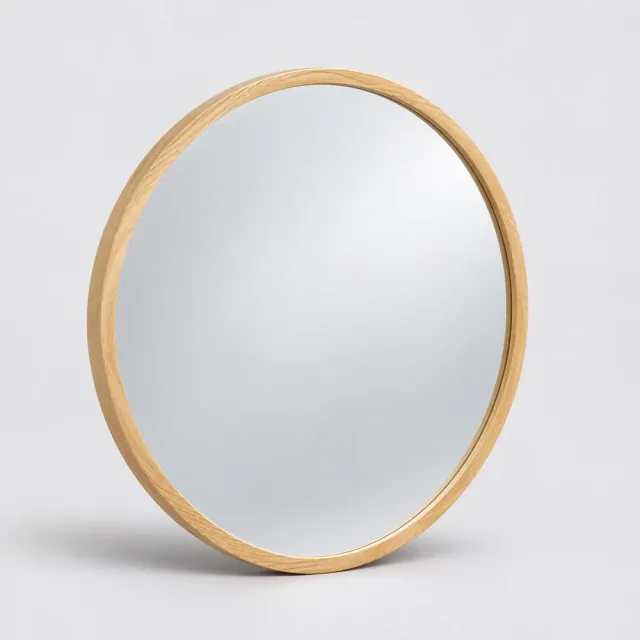
Household mirror
A transparent sheet protects a very thin reflecting surface.

Quartz wristwatch
A tiny vibrating crystal provides the rhythm for moving hands.
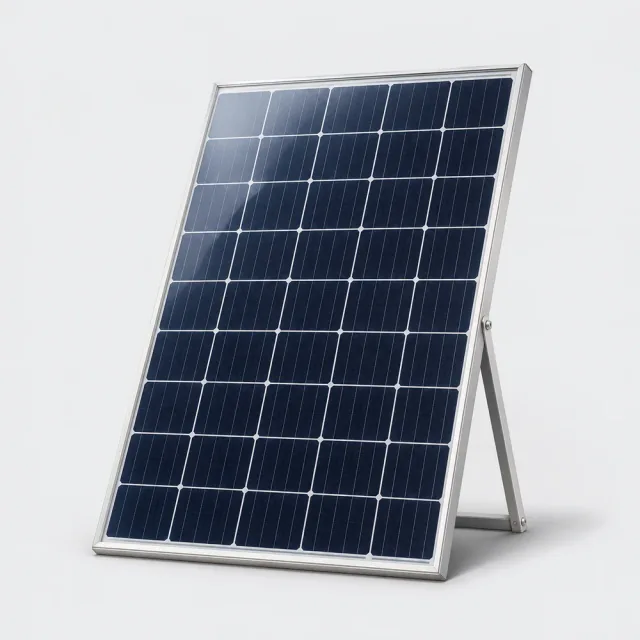
Solar panel
A fragile semiconductor protected for outdoor work.
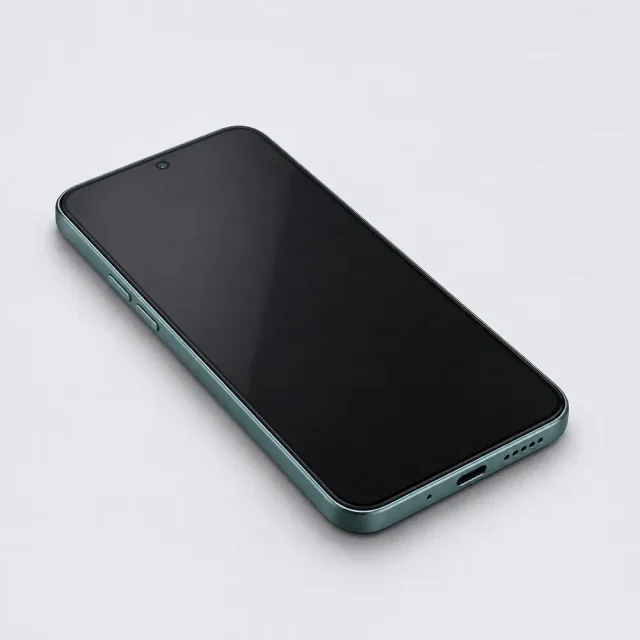
Mobile phone
A small meeting place for very different materials.
Follow the evidence
Original explanations informed by the sources below. Technical and industry sources support material behaviour; industry environmental marketing is not treated as a universal comparison. Browse the source register.
- Silver — Element information, properties and uses ↗Royal Society of Chemistry · Undated · Checked 2026-11-13
- Silver Statistics and Information ↗U.S. Geological Survey, National Minerals Information Center · Undated · Checked 2026-11-13
- Solar Photovoltaic Manufacturing Basics ↗U.S. Department of Energy · Undated · Checked 2026-11-13