Silicone
Silicones are polymers with a silicon–oxygen backbone and attached organic groups. They are not silicon semiconductor material and not silica sand. Formulations can make fluids, resins and flexible rubbers. Silicone elastomers are useful where a soft seal must tolerate a range of temperatures and remain electrically insulating. A kettle gasket and a headphone ear tip may both use silicone, but grade, formulation and product suitability still differ.
Useful properties
Why it earns its placeFlexible sealing ↗
An elastomer can conform to mating surfaces and recover after compression.
Temperature performance ↗
Suitable formulations retain useful flexibility across a broad temperature range.
Electrical insulation ↗
Many silicone grades separate electrical conductors while accommodating movement.
From input to useful material.
A simplified industrial pathway. Select a stage to learn what changes. Recycled feedstock and other process variants can enter at different stages.
Origins & processing
Industrial silicone chemistry starts with silicon-containing feedstocks and other chemicals, producing siloxane building blocks and polymers. Formulators add fillers, curing agents and other ingredients to create the required performance. A rubber part is moulded or extruded and crosslinked through a controlled cure. Different cure systems and finishing requirements suit different products. The upstream route includes silicon production, but a silicone seal is chemically transformed material, not a flexible version of the silicon wafer inside a computer chip.
Where it turns up
Kettle seals, some ear tips, cookware accessories and electrical encapsulation can use silicone. It can also help seal a solar-panel or electronic assembly. These uses demand different mechanical, optical or contact properties. An industrial sealant, an optical encapsulant and a food-contact gasket should never be assumed interchangeable because all are called silicone.
Useful, with limits.
Tear strength, abrasion resistance and compatibility vary by grade. A heat-resistant rubber still has a specified service range, and a seal can fail through wear or poor compression. Chemical and food-contact suitability concern the finished formulation. Silicone’s durability does not make it biodegradable or establish a universal environmental advantage over other elastomers.
A next life depends on the system.
Crosslinked silicone does not remelt like ordinary thermoplastic packaging. Specialist recovery routes exist for suitable clean streams, but routine household collection is uncommon. A replaceable gasket can preserve a much larger appliance. At final disposal, follow the host product’s route or a verified specialist scheme instead of placing silicone in bottle-plastic recycling.
Familiar things, connected.
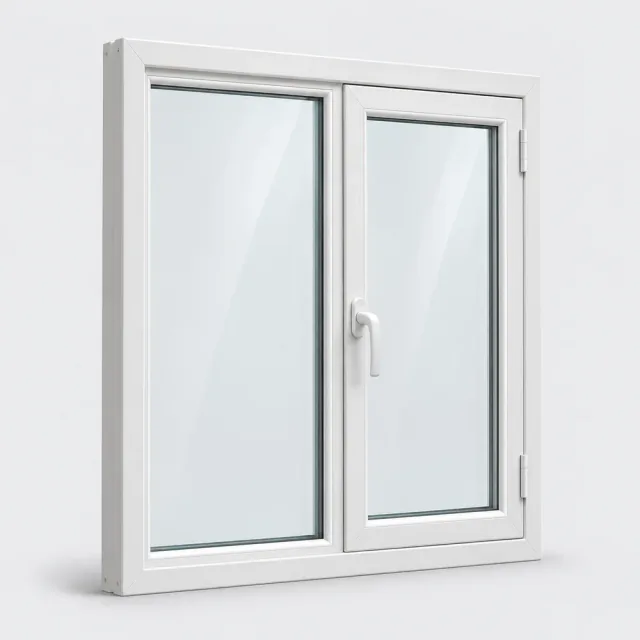
Insulated window
The invisible gaps matter as much as the glass.

Electric kettle
Heat where it is useful, insulation where it is held.
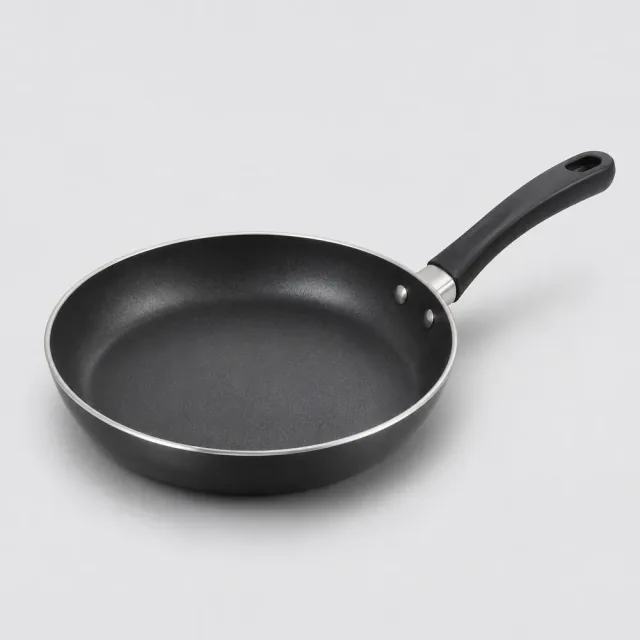
Frying pan
Heat spreading and food release ask for different surfaces.
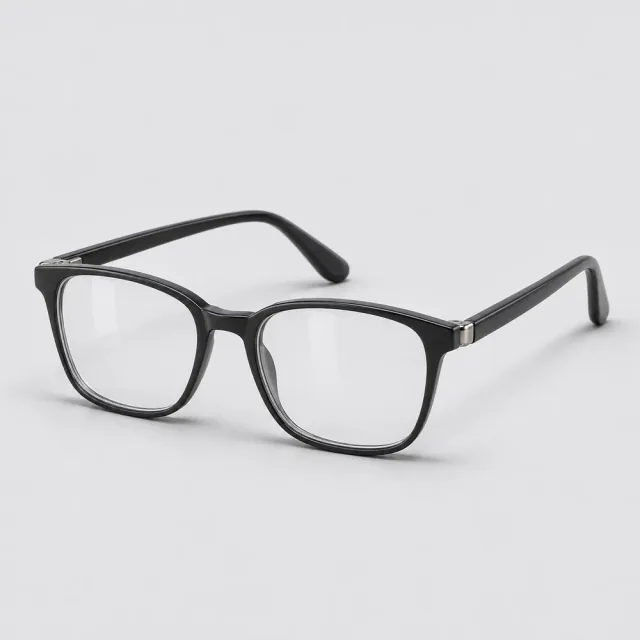
Spectacle frames
Small components balance stiffness, flexibility and comfort.
Follow the evidence
Original explanations informed by the sources below. Technical and industry sources support material behaviour; industry environmental marketing is not treated as a universal comparison. Read our editorial method.
- Room Temperature Vulcanizing (RTV) Silicones: Material and Processing Guidelines ↗WACKER Chemie · Undated · Checked 2026-11-13
- Products & Services — Annual Report 2025 ↗WACKER Chemie · 2026 (report for 2025) · Checked 2026-11-13