Silica
Silica means silicon dioxide. Quartz is a crystalline form; manufactured amorphous silicas have different structures and uses. Silica-rich sand is a major glass ingredient, while selected precipitated silicas can act as toothpaste abrasives or reinforcing fillers. These are not interchangeable powders. Silica is also different from silicon metal and from silicone polymers, despite the similar names. Structure, purity and particle properties are central to understanding its role.
Useful properties
Why it earns its placeFrom input to useful material.
A simplified industrial pathway. Select a stage to learn what changes. Recycled feedstock and other process variants can enter at different stages.
Origins & processing
Natural silica is extracted from suitable sand or rock deposits, then washed, sorted and sometimes ground or purified. Glassmaking needs particular chemistry, including control of iron for clear products. Other uses start with chemically produced silica, where the process controls particle structure and surface behaviour. Hydrated or precipitated silica used in toothpaste is therefore not a small bag of construction sand. Further reduction can turn silica into silicon metal, which is a separate chemical and energy-intensive transformation.
Where it turns up
Silica connects a window’s starting batch, a toothpaste formulation and some tyre compounds. In the window it becomes part of a glass network; in the other products it remains a dispersed ingredient selected for a specific job. A phone also uses silica-related materials, but its silicon semiconductor follows a distinct manufacturing route.
Useful, with limits.
Crystalline-silica dust presents serious inhalation risks in occupational cutting, grinding and processing. That hazard should not be confused with the behaviour of every intact silica-containing product or every amorphous formulation. Different forms need their own assessment. A chemical formula alone is insufficient to judge exposure, safety or suitability for an application.
A next life depends on the system.
Once silica becomes glass, its end of life is governed by the glass product and available collection systems. As a small dispersed filler or abrasive, it is rarely recovered separately from consumer products. Keep ceramic and specialty-glass mixtures out of incompatible bottle streams, and use local routes for tyres and other composite objects.
Familiar things, connected.
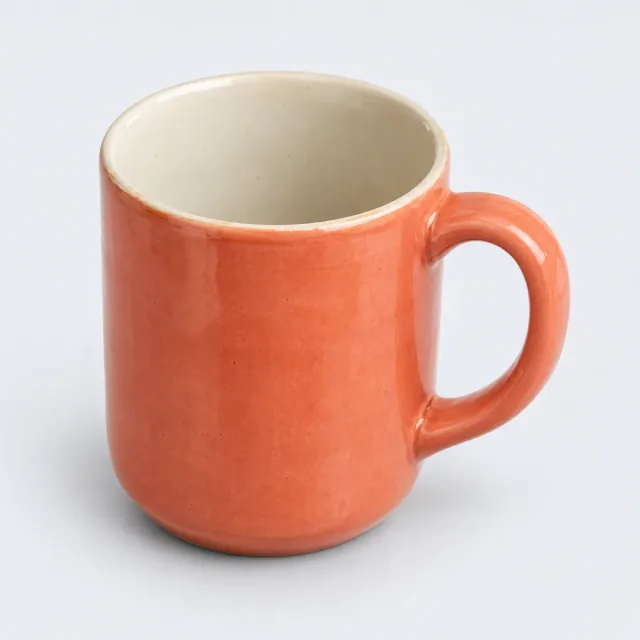
Ceramic mug
Soft clay becomes a rigid, partly glassy body.
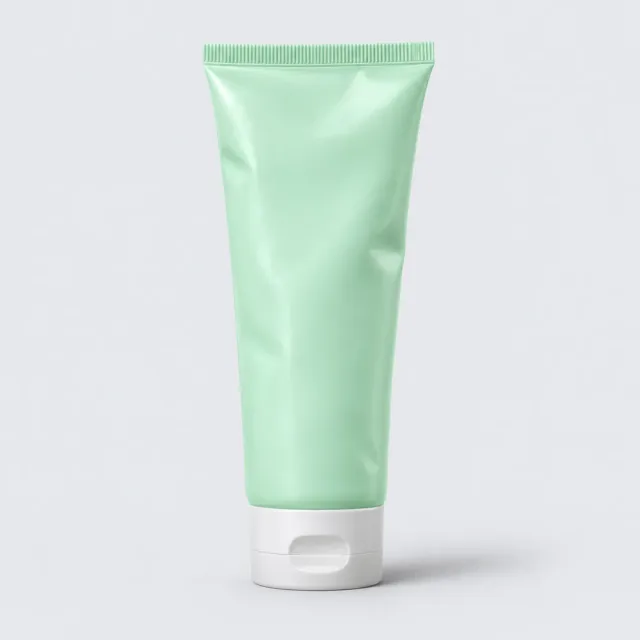
Toothpaste and tube
A formulation and its container solve different problems.

Running shoe
A hard-wearing surface, a soft middle, a flexible shell.
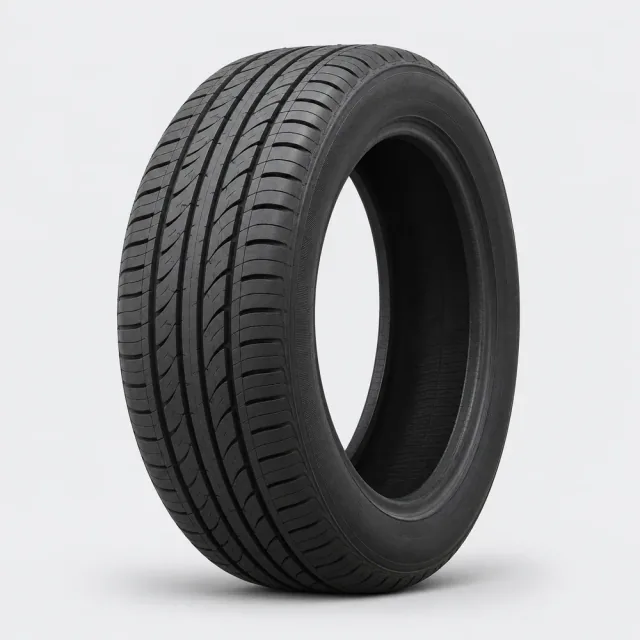
Car tyre
A reinforced pressure vessel that must keep flexing.
Follow the evidence
Original explanations informed by the sources below. Technical and industry sources support material behaviour; industry environmental marketing is not treated as a universal comparison. Read our editorial method.
- Silica ↗Sibelco · Undated · Checked 2026-11-13
- Silica is safe — frequently asked questions ↗Evonik · Undated · Checked 2026-11-13
- Silica dust ↗UK Health and Safety Executive · Undated · Checked 2026-11-13