Plywood
Plywood is made by bonding thin wood veneers into a panel, usually with the grain of neighbouring layers crossing. This arrangement makes a broad sheet behave differently from a single board and reduces some directional movement. It remains a wood-based composite, not a uniform plastic slab. Species, veneer quality, layer arrangement and adhesive determine the grade. A shaped chair shell, building panel and guitar body can therefore use plywood designed for very different purposes.
Useful properties
Why it earns its placeCrossed veneer directions ↗
Layer orientation distributes useful wood properties across the panel; face-grain direction and panel construction still affect stiffness.
Bonded interfaces ↗
Adhesive transfers load between veneers, so bond quality is essential to the panel acting as one component.
Flat and curved panels ↗
Veneers can be bonded in flat presses or shaped moulds, allowing large surfaces and curves from relatively thin wood layers.
From input to useful material.
A simplified industrial pathway. Select a stage to learn what changes. Recycled feedstock and other process variants can enter at different stages.
Origins & processing
Logs are selected and prepared for peeling or slicing into veneers. The sheets are dried and graded, with defects handled according to the intended panel quality. Manufacturers spread adhesive, arrange a balanced lay-up and press the stack under controlled conditions to establish its bond. Trimming, sanding and inspection follow. Decorative surface veneers may differ from the core species. Plywood should be distinguished from oriented strandboard, which uses strands, and from laminated veneer lumber, whose main veneers are generally aligned in the same direction.
Where it turns up
Plywood serves in furniture frames, moulded chairs, skateboard decks, musical instruments and building panels. A skateboard’s curvature and veneer arrangement influence stiffness and feel. Some guitars use laminated sides or backs for practical and acoustic reasons. Product descriptions should identify the particular component: a plywood body or shell does not imply that every wooden part uses the same construction.
Useful, with limits.
Cross-lamination reduces some movement but does not eliminate wood’s response to moisture. Water can enter edges or damaged surfaces, and unsuitable exposure can cause swelling, decay or bond failure. An exterior adhesive classification does not make all wood in the panel immune to weather. Face quality, hidden voids, emissions specifications and fastening details also affect whether a panel is appropriate for its job.
A next life depends on the system.
Whole panels and furniture parts are often most useful when repaired or reused with their structural condition checked. Mechanical recycling may turn suitable waste into smaller wood elements, subject to local quality requirements. Adhesives, coatings and preservatives complicate recovery compared with untreated solid wood. Plywood should not automatically enter compost or an ordinary wood-burning stream, and dismantling metal fittings can improve the available options.
Familiar things, connected.
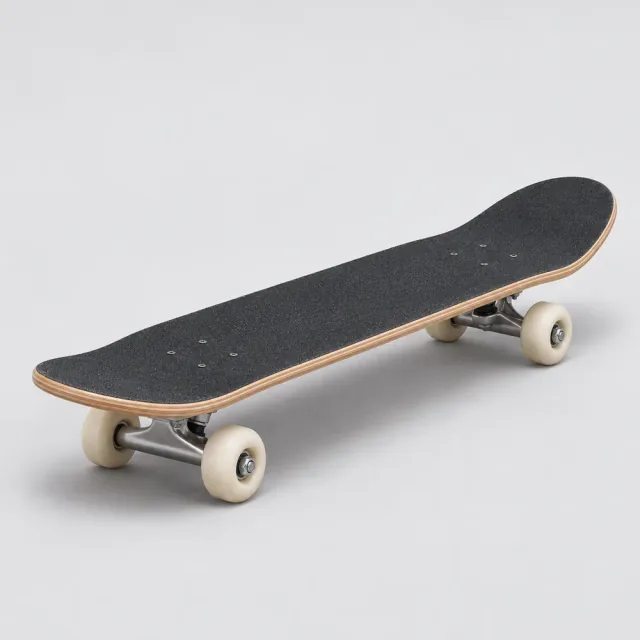
Skateboard
A springy deck above four engineered contact patches.
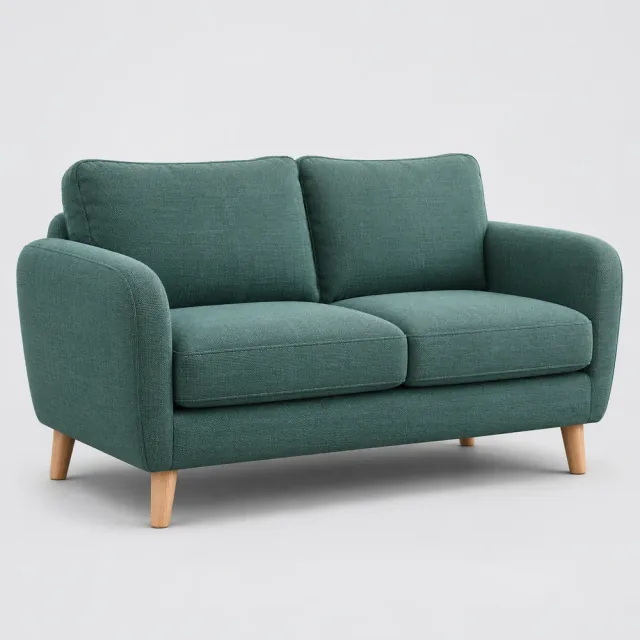
Sofa
Softness is built on a load-bearing skeleton.
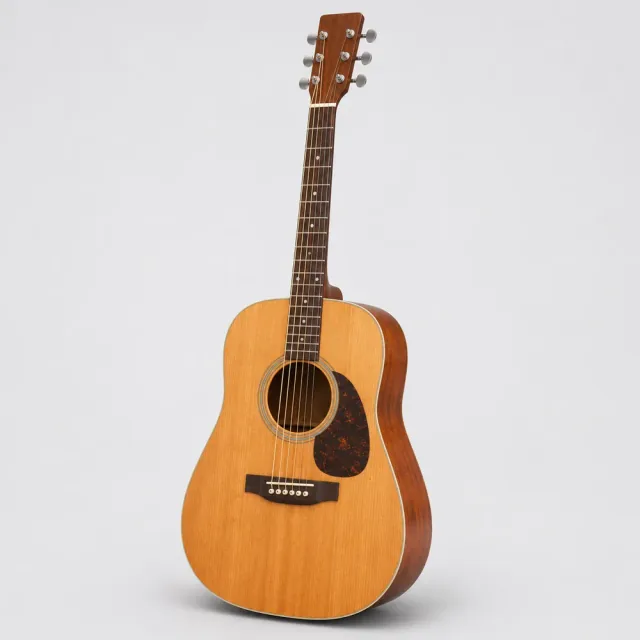
Acoustic guitar
A wooden resonator turns a string’s small motion into audible sound.
Loudspeaker
A light diaphragm moves air while a heavier structure holds it in line.
Follow the evidence
Original explanations informed by the sources below. Technical and industry sources support material behaviour; industry environmental marketing is not treated as a universal comparison. Browse the source register.
- Plywood ↗APA — The Engineered Wood Association · Undated · Checked 2026-11-13
- Wood Handbook, Chapter 11: Wood-Based Composite Materials ↗U.S. Forest Service, Forest Products Laboratory; Nicole M. Stark and Zhiyong Cai · 2021 · Checked 2026-11-13
- Sustainable Management of Construction and Demolition Materials ↗U.S. Environmental Protection Agency · Undated · Checked 2026-11-13