Leather
Leather is made by tanning animal hide or skin so that its collagen fibre network becomes more stable and useful. Thickness, tanning chemistry, mechanical treatment and surface finish create materials ranging from firm sole leather to supple upholstery. It is not a single uniform substance. A coated synthetic textile sold as a leather alternative and a reconstituted leather-fibre sheet have different structures from an intact tanned hide, even when their surfaces look similar.
Useful properties
Why it earns its placeAn interwoven collagen network ↗
The natural fibre arrangement provides useful tear and tensile behaviour, but direction, hide location and processing affect consistency.
Flexible sheets ↗
Softening and finishing allow leather to bend around a foot, strap or upholstered shape; stiff grades serve different functions.
Absorption and surface protection ↗
Leather can take up moisture, while tanning and coatings change its response; leather is not automatically waterproof.
From input to useful material.
A simplified industrial pathway. Select a stage to learn what changes. Recycled feedstock and other process variants can enter at different stages.
Origins & processing
Hides are preserved for transport and prepared in a tannery by removing unwanted material and opening the fibre structure. Tanning stabilises collagen using a specified chemical system, such as chromium salts or vegetable tannins. Subsequent retanning, colouring and lubrication adjust fullness, feel and flexibility. Drying and mechanical softening prepare the sheet for finishing, which may include pigment, protective coatings or embossing. Cutting and sewing then make the product. Each hide varies naturally, so inspection and layout influence both performance and the quantity of offcuts.
Where it turns up
Leather is used in bags, footwear, watch straps and upholstered furniture. A backpack or sofa may combine leather with fabric, foam, adhesives and metal fittings. Grain leather, split leather, suede and heavily coated leather can have different feel and wear behaviour. The appearance of the outer face alone does not reveal the full construction.
Useful, with limits.
Repeated wetting, heat, light or unsuitable cleaning can cause changes in colour, flexibility and strength. A protective coating can itself crack or wear. Livestock production, traceability, tannery water use and chemical management affect environmental performance; treating every hide as an impact-free waste material would hide those differences. Natural variation also means that identical thickness does not guarantee identical strength across an entire hide.
A next life depends on the system.
Repairing seams, replacing hardware or re-covering a sound frame can extend a leather product’s life. Clean manufacturing offcuts may enter smaller goods or specialist fibre-recovery routes. Tanning, dyes, coatings and adhesives mean finished leather should not automatically be treated as compostable animal tissue. Reconstituting leather fibres also produces a different material, often with a binder, rather than restoring the original hide structure.
Familiar things, connected.
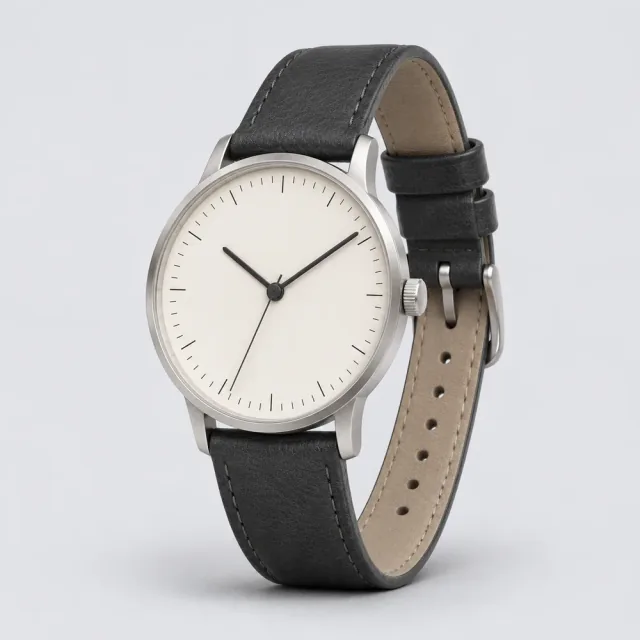
Quartz wristwatch
A tiny vibrating crystal provides the rhythm for moving hands.
Leather belt
A flexible strap that carries force through a few small holes.
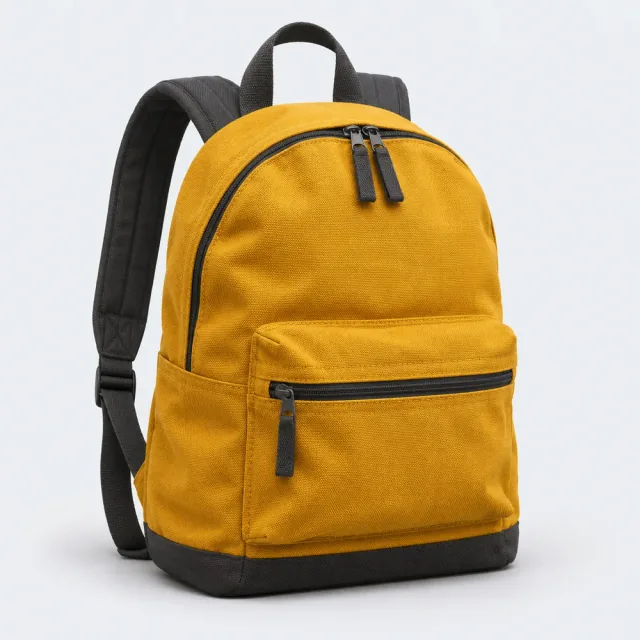
Backpack
A flexible container with a hidden load path.
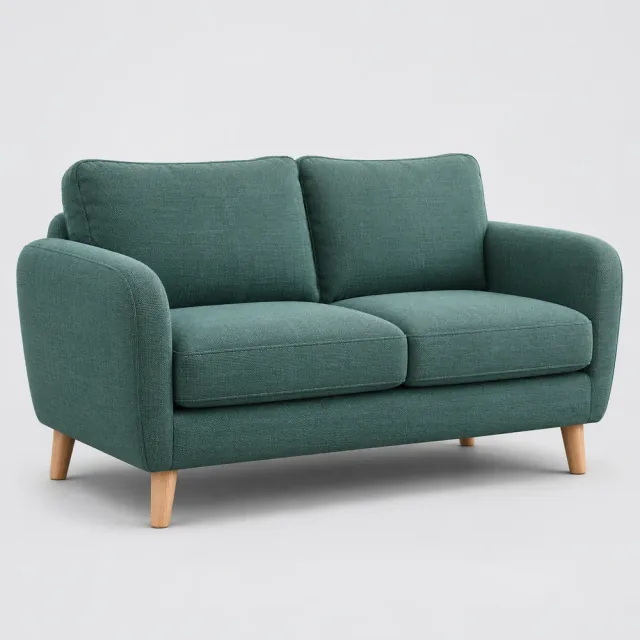
Sofa
Softness is built on a load-bearing skeleton.
Follow the evidence
Original explanations informed by the sources below. Technical and industry sources support material behaviour; industry environmental marketing is not treated as a universal comparison. Browse the source register.
- Get to know how modern leather is made ↗Leather Working Group · 2025-07-08 · Checked 2026-11-13
- Modern Cow Leather Processing, version 1.1 ↗Leather Naturally; editor Luis Zugno · Undated · Checked 2026-11-13
- Back to Basics: Leather Manufacture ↗Leather Naturally / World Leather · Undated · Checked 2026-11-13