LDPE
Low-density polyethylene has branching along its polymer chains, which prevents them packing as closely as those in HDPE. The result is a flexible material suited to films, coatings and squeezable items. Linear low-density polyethylene is a related, distinct family often blended into films. A thin polyethylene layer can keep a paper carton from becoming waterlogged, but adding that function also turns a simple fibre sheet into a multi-material package.
Useful properties
Why it earns its placeFrom input to useful material.
A simplified industrial pathway. Select a stage to learn what changes. Recycled feedstock and other process variants can enter at different stages.
Origins & processing
Conventional LDPE is produced by polymerizing ethylene at high pressure, creating a branched chain structure. Resin is converted into films by extrusion or applied as a molten coating to another material such as paperboard. Additional ingredients adjust handling and durability. Packaging films may combine LDPE with other polymers to balance sealing, strength and barrier needs. A carton’s polyethylene layer is therefore only one part of a manufactured system whose layers are selected and bonded for different tasks.
Where it turns up
LDPE connects flexible wrapping to a carton lining and some squeeze-bottle designs. In a paperboard carton, it provides a moisture barrier and helps make sealed joints. A similar film can protect goods during transport. These functions depend on thickness and construction as well as polymer chemistry, so replacing a layer requires considering the whole pack.
Useful, with limits.
Flexibility comes with lower stiffness than HDPE. LDPE provides only a limited gas barrier and softens under heat. Thin films may tear or become difficult to handle in collection equipment. A lightweight layer can be valuable during use while remaining difficult to separate afterwards; neither fact alone settles the best packaging choice.
A next life depends on the system.
Clean polyethylene films can be reprocessed in suitable systems, but many household mixed-recycling bins exclude them. Laminated cartons require processors capable of recovering their fibres and managing the remaining layers. A film collection scheme is not automatically suitable for a carton or mixed laminate. Check the accepted product format as well as the polymer name.
Familiar things, connected.

Toothpaste and tube
A formulation and its container solve different problems.
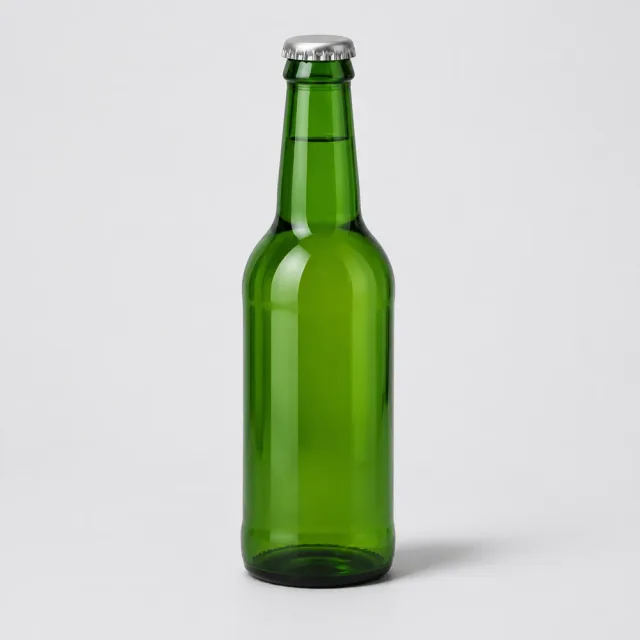
Glass bottle
A continuous glass wall, closed by a very different material.
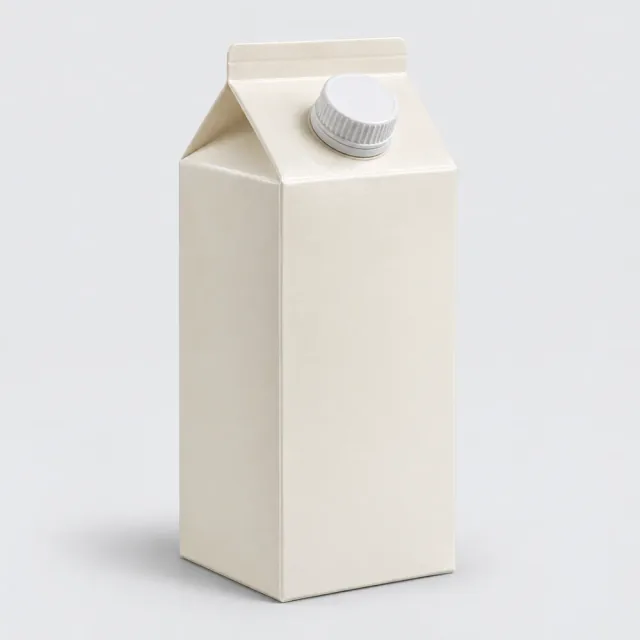
Milk carton
Paper supplies stiffness; very thin layers supply barriers.
Takeaway cup
A paper wall needs a separate strategy for holding liquid.
Follow the evidence
Original explanations informed by the sources below. Technical and industry sources support material behaviour; industry environmental marketing is not treated as a universal comparison. Read our editorial method.
- Polyethylene (Low Density) LDPE, LLDPE ↗British Plastics Federation · Undated · Checked 2026-11-13
- Plastics Processes ↗British Plastics Federation · Undated · Checked 2026-11-13