HDPE
High-density polyethylene is made of long hydrocarbon chains with relatively little branching. They can pack together more closely than those in conventional low-density polyethylene, contributing to useful stiffness and strength. HDPE commonly feels waxy and appears translucent or opaque rather than glass-clear. It is used for bottles, closures, pipes and durable moulded objects. Density is a clue to structure here, not a claim that an HDPE object must be heavy.
Useful properties
Why it earns its placeFrom input to useful material.
A simplified industrial pathway. Select a stage to learn what changes. Recycled feedstock and other process variants can enter at different stages.
Origins & processing
Ethylene is polymerized using catalysts that control chain formation. The resin is compounded with any required pigments, stabilizers or other ingredients, then converted into products. Blow moulding makes many hollow bottles by expanding hot plastic inside a mould; injection moulding makes closures and small parts. HDPE can also be extruded into pipe or film. Grade selection, molecular structure and processing determine the product, so an industrial resin designation is more specific than simply plastic number two.
Where it turns up
An HDPE bottle can hold some foods, toiletries or cleaning products when specified for that application. Toothpaste packaging increasingly includes polyethylene-based designs, while some closures also use HDPE. A container body, cap and label can still be different materials. Applications should be identified from the actual product rather than assumed from its shape.
Useful, with limits.
HDPE is not a universal barrier to gases or solvents. Sustained loading can cause slow deformation, and ultraviolet exposure can require suitable stabilization. The compatibility of a container with its contents is a product-specific matter. A recycled resin may need sorting and qualification before use in a demanding application such as food packaging.
A next life depends on the system.
Many collection systems accept selected HDPE bottles, but acceptance differs for tubs, films, caps and complex tubes. Sorting, washing and melting can create new material where a suitable stream exists. Colour and contamination constrain the next use. A resin identification number names the polymer family; it does not promise collection or recycling where you live.
Familiar things, connected.
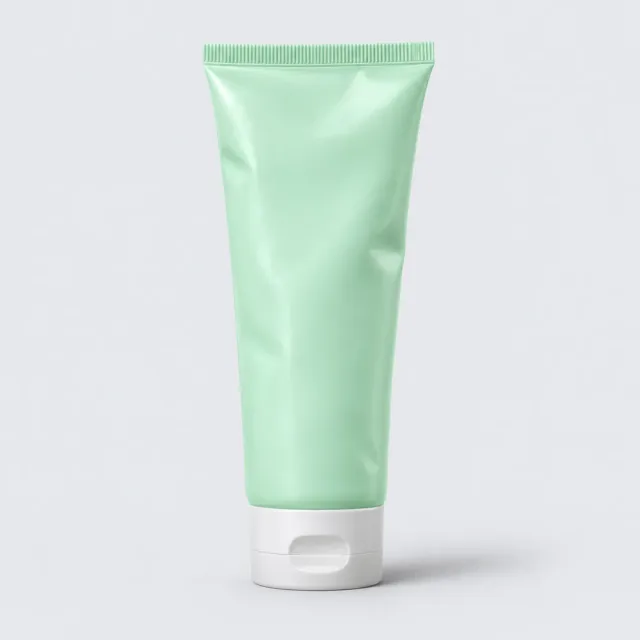
Toothpaste and tube
A formulation and its container solve different problems.
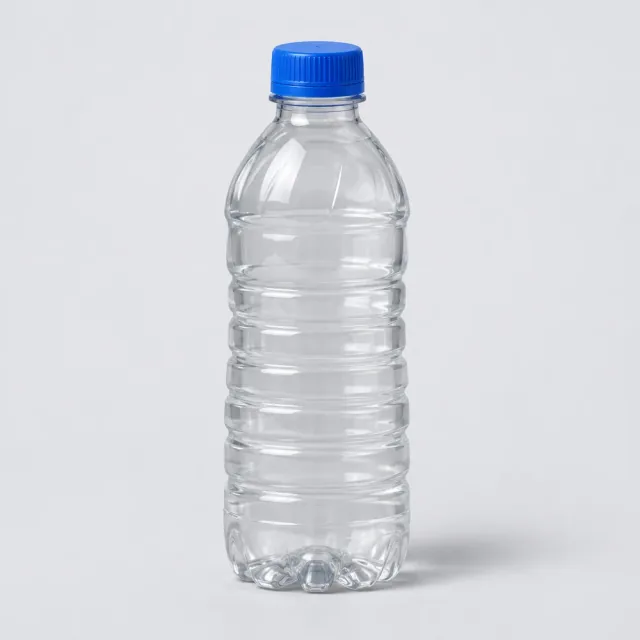
Plastic drink bottle
One polymer for the wall, another for the closure.
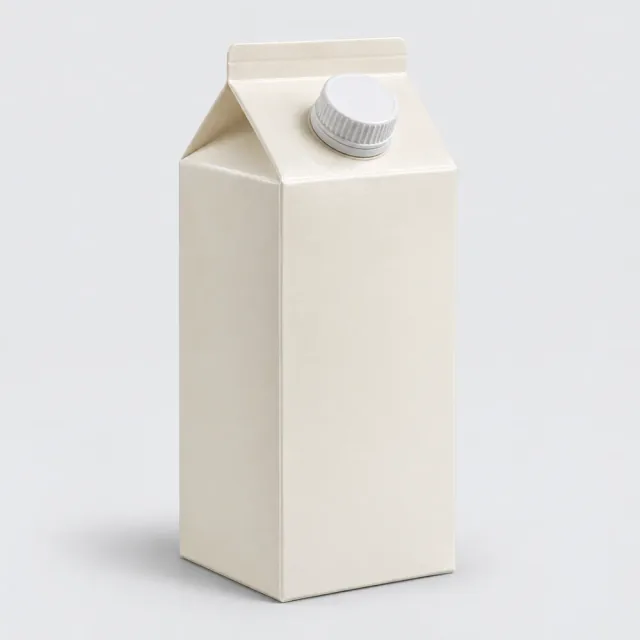
Milk carton
Paper supplies stiffness; very thin layers supply barriers.

Toothbrush
A stiff handle carries a field of flexible fibres.
Follow the evidence
Original explanations informed by the sources below. Technical and industry sources support material behaviour; industry environmental marketing is not treated as a universal comparison. Browse the source register.
- Polyethylene (High Density) HDPE ↗British Plastics Federation · Undated · Checked 2026-11-13
- Plastics Processes ↗British Plastics Federation · Undated · Checked 2026-11-13
- How Do I Recycle Common Recyclables ↗U.S. Environmental Protection Agency · Undated · Checked 2026-11-13