Gypsum
Gypsum is calcium sulfate dihydrate: water is part of its crystal structure, not merely trapped surface dampness. Controlled heating removes some of that chemically combined water to make plaster ingredients. Adding water back allows a new gypsum crystal network to form as the plaster sets. A plasterboard core, a ceramic mould and raw gypsum rock are connected by this chemistry, although their additives, structure and intended uses differ substantially.
Useful properties
Why it earns its placeA castable mineral system ↗
Calcined gypsum can be mixed with water and shaped before a new crystal network sets.
Chemically bound water ↗
Release of bound water absorbs heat and contributes to gypsum board’s fire performance; a rating belongs to a tested assembly.
Limited wet durability ↗
Gypsum products respond to prolonged moisture, and paper facings or additives alter performance; ordinary board is not a waterproof barrier.
From input to useful material.
A simplified industrial pathway. Select a stage to learn what changes. Recycled feedstock and other process variants can enter at different stages.
Origins & processing
Raw material can come from natural gypsum deposits or suitable recovered and industrial sources, including some flue-gas treatment processes. The feed is prepared and ground, then calcined to produce a partially dehydrated form where the application requires plaster. Manufacturers mix it with controlled quantities of water and additives. For board, the slurry is formed with facings and allowed to set before excess free water is dried away. That drying step follows the chemical setting reaction; the two should not be described as the same process.
Where it turns up
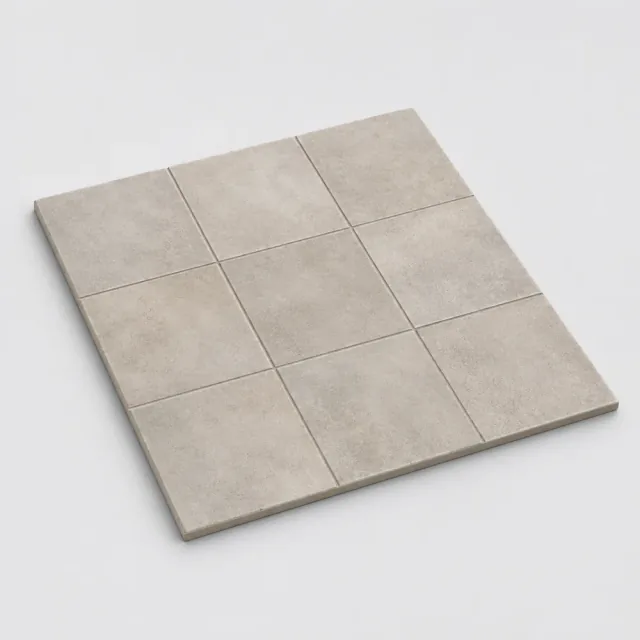
Gypsum is used in plasterboard, building plasters and moulds. Small controlled additions help regulate the setting of Portland cement. Specially formulated gypsum-based underlayments also appear in some interior flooring assemblies, including systems beneath tile. Such a formulation needs the specified preparation and moisture conditions; it is not equivalent to placing ordinary plaster wherever cement mortar would normally be used.
Useful, with limits.
Gypsum is a relatively soft mineral, and many products need facings or support to resist everyday damage. Prolonged wetting can compromise ordinary plaster or board. Performance depends on formulation and the whole assembly, particularly for fire or acoustic claims. Source quality also matters when using recovered gypsum: foreign material must be controlled rather than assuming all pale mineral waste is interchangeable.
A next life depends on the system.
Clean gypsum manufacturing scraps and selected construction waste can be processed for new gypsum products where a suitable recovery system operates. Paper, coatings, fasteners and contamination need separation or assessment. Keeping gypsum apart from other demolition minerals can improve recovery and protect those other streams. The reversible dehydration chemistry does not mean every mixed piece of painted plasterboard can be endlessly recycled without processing losses.
Familiar things, connected.
Follow the evidence
Original explanations informed by the sources below. Technical and industry sources support material behaviour; industry environmental marketing is not treated as a universal comparison. Read our editorial method.
- AP-42, Chapter 11.16: Gypsum Manufacturing ↗U.S. Environmental Protection Agency · Undated · Checked 2026-11-13
- USG Wallboard Portfolio — The Manufacture of Gypsum Products ↗USG Corporation / CGC · 2021-01 · Checked 2026-11-13
- Floor Assemblies, Subfloors, and the Purpose of Underlayments ↗USG · Undated · Checked 2026-11-13
- Sustainable Management of Construction and Demolition Materials ↗U.S. Environmental Protection Agency · Undated · Checked 2026-11-13