Graphite
Graphite is a form of carbon whose atoms form stacked sheets. The arrangement helps explain two very different jobs: layers can slide and leave a mark on paper, while a suitably engineered graphite structure can host lithium in a rechargeable battery. Pencil cores normally mix graphite with clay and other ingredients. Battery graphite requires much more demanding control of purity, particle shape and surface chemistry; pencil material is not a substitute.
Useful properties
Why it earns its placeFrom input to useful material.
A simplified industrial pathway. Select a stage to learn what changes. Recycled feedstock and other process variants can enter at different stages.
Origins & processing
Natural graphite is mined from deposits and concentrated to separate it from other minerals. Synthetic graphite follows a different route, using carbon-rich precursors and high-temperature processing. Battery applications may require additional purification, shaping and coating before graphite is blended into an electrode. Pencil manufacturing instead balances graphite with binders and clay to control the mark and mechanical behaviour. Statistics for mined natural graphite therefore do not describe the entire graphite supply or total battery-anode production.
Where it turns up
The pencil makes graphite visible; a phone battery hides it. Other uses include lubricants, high-temperature components and electrical motor brushes. These applications exploit different aspects of its structure. A battery anode may also contain silicon or other ingredients, so graphite should be understood as a representative component rather than the sole possible anode material.
Useful, with limits.
Purity requirements vary enormously by use. Natural and synthetic routes have different processing needs, and a mined-production map excludes synthetic output. The soft mark made by a pencil does not describe the engineered behaviour of a battery electrode. Graphite may oxidize under sufficiently hot conditions, so heat resistance is not an unlimited property.
A next life depends on the system.
Graphite dispersed into a pencil mark is effectively lost to recovery. Battery graphite is concentrated in a product but still requires specialized separation and purification; not all battery-recycling routes recover it. Use the appropriate battery collection system. Claims about recovering battery metals should not be read as evidence that its graphite is recovered too.
Familiar things, connected.
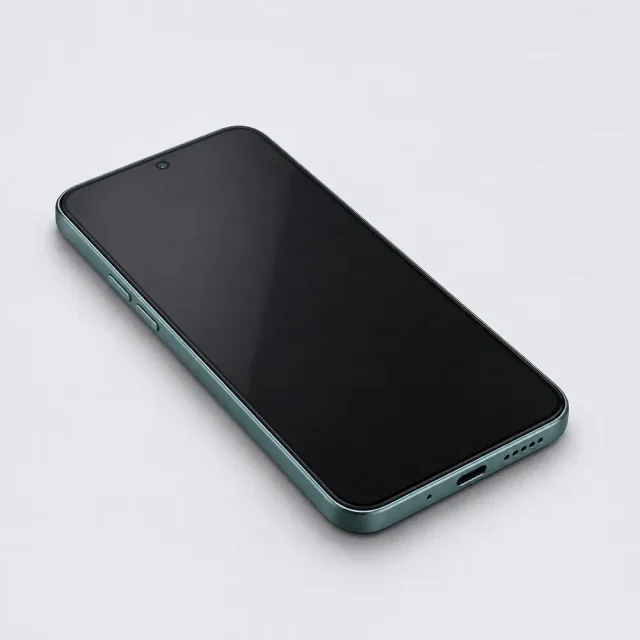
Mobile phone
A small meeting place for very different materials.
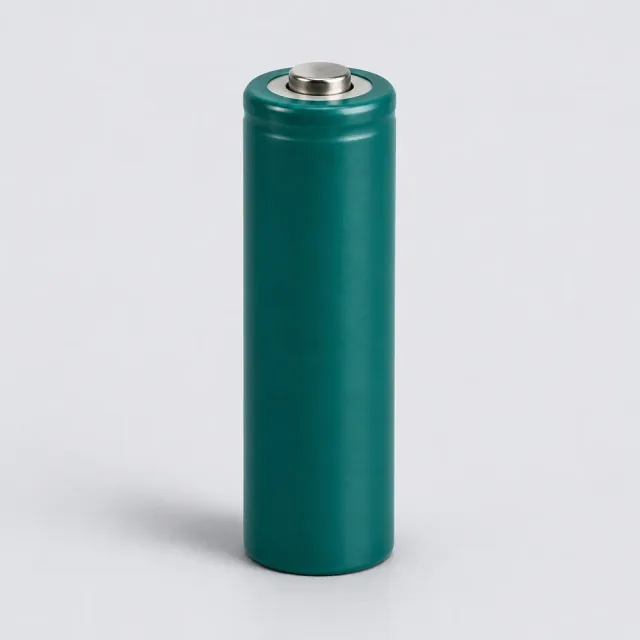
Lithium-ion battery
Ions travel inside; electrons take the useful outside route.
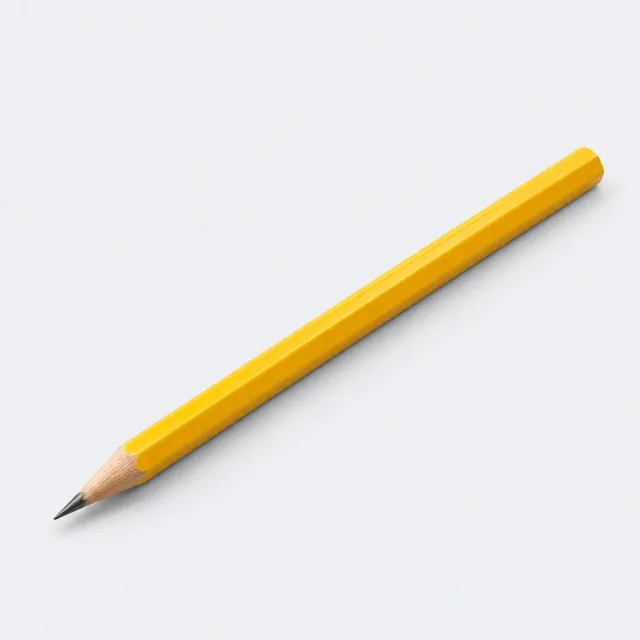
Wooden pencil
Graphite writes; the wood protects and guides it.
Laptop
A portable computer is also a compact heat-management system.
Follow the evidence
Original explanations informed by the sources below. Technical and industry sources support material behaviour; industry environmental marketing is not treated as a universal comparison. Read our editorial method.
- Mineral Commodity Summaries 2026 — Graphite ↗U.S. Geological Survey, National Minerals Information Center · 2026-05-27 (version 1.3) · Checked 2026-11-13
- Technology Strategy Assessment — Lithium-ion ↗U.S. Department of Energy · 2023-07 · Checked 2026-11-13
- How Do I Recycle Common Recyclables ↗U.S. Environmental Protection Agency · Undated · Checked 2026-11-13