Flax / linen
Flax fibre comes from the outer supporting tissues of the flax plant’s stem. When processed into textile yarn and fabric it is commonly called linen. Its long, relatively stiff fibres create the crisp hand and characteristic creasing of many linen fabrics. Fibre flax and flax grown mainly for oilseed are related crops with different production priorities. The fibre’s origin is only the start: yarn structure, weaving and finishing strongly shape the final cloth.
Useful properties
Why it earns its placeLongitudinal fibre strength ↗
Flax fibres can reinforce a yarn or composite along their length; orientation and fibre damage affect the final strength.
Absorbent cellulose ↗
Water interacts with the fibre structure and the spaces in cloth, affecting feel, drying and dimensions.
Limited stretch recovery ↗
Linen fibres are not highly elastic, helping explain crispness and creasing rather than the springy recovery of wool.
From input to useful material.
A simplified industrial pathway. Select a stage to learn what changes. Recycled feedstock and other process variants can enter at different stages.
Origins & processing
Fibre flax is grown for suitable stems and harvested to preserve usable fibre length. Retting loosens the materials binding fibre bundles to surrounding stem tissues; field retting uses moisture and microbial activity, while other routes have different water and effluent implications. Breaking and scutching remove woody fragments, and hackling combs and aligns the longer fibres. Spinning turns prepared fibres into yarn before weaving or knitting. Shorter fibres can follow different spinning routes or serve paper and composite applications.
Where it turns up
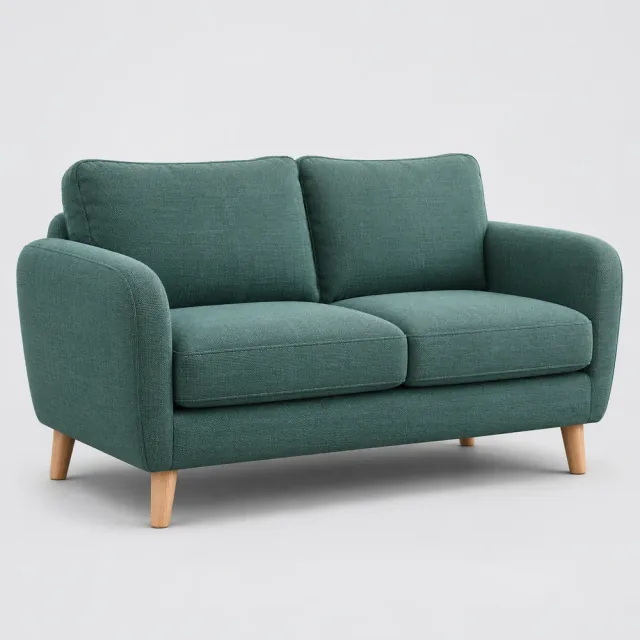
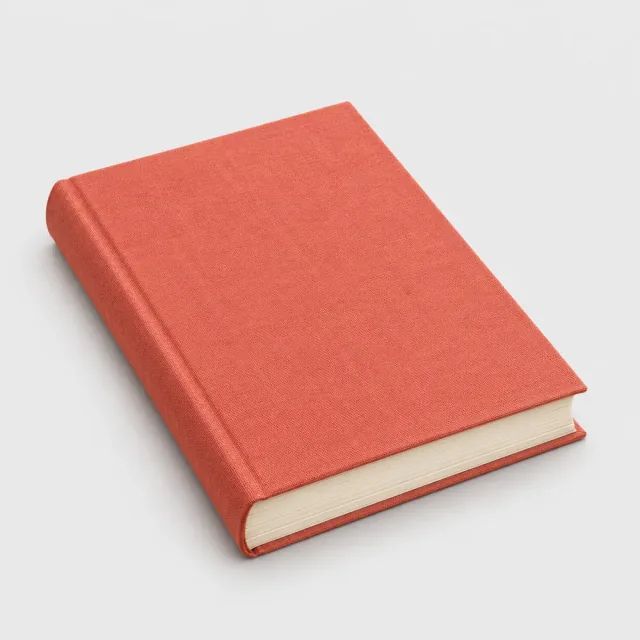
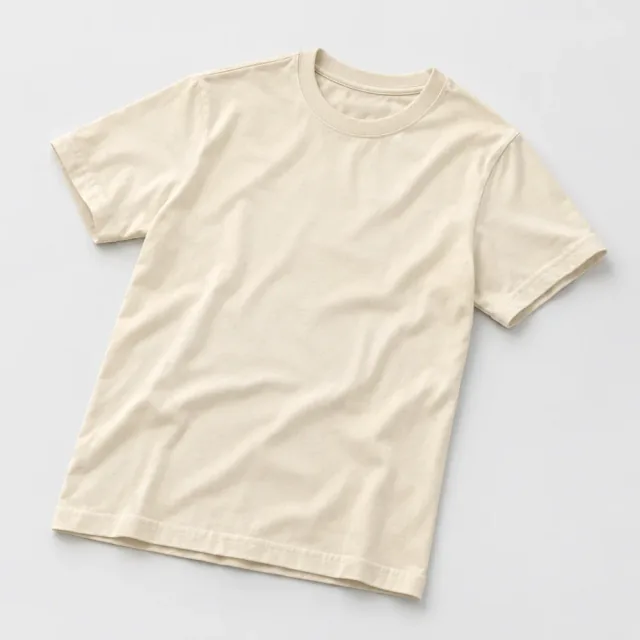
Linen is used in clothing, household textiles and upholstery, including some sofa covers. Flax fibres also reinforce selected composites and enter specialised papers and cords. A linen book cloth is a possible binding material, but many cloth-bound books use cotton or synthetic alternatives. Fibre content should be established from a specification rather than from a coarse texture alone.
Useful, with limits.
Creasing and relatively limited elastic recovery may be unwanted in some products. Harvest timing, retting and mechanical treatment can damage fibres or change consistency. Farming inputs, land management and wet processing affect environmental outcomes, so the word natural does not establish a low impact. A water-repellent finish or a synthetic blend can also change the behaviour of the fabric substantially.
A next life depends on the system.
Durable linen products can be repaired, altered or reused before fibre recovery is considered. Mechanical recycling shortens fibres and may require blending or a different end use. Clean untreated cellulose can biodegrade under suitable conditions, but a finished textile may contain dyes, coatings, sewing thread or synthetic blends. Those additions and local acceptance rules determine whether a particular composting or recycling route is appropriate.
Familiar things, connected.
Follow the evidence
Original explanations informed by the sources below. Technical and industry sources support material behaviour; industry environmental marketing is not treated as a universal comparison. Read our editorial method.
- Flax ↗University of Wisconsin–Madison, Division of Extension · Undated · Checked 2026-11-13
- Flax growing and expertise ↗Alliance for European Flax-Linen & Hemp · Undated · Checked 2026-11-13
- Flax fibre — Performance and properties ↗Alliance for European Flax-Linen & Hemp · Undated · Checked 2026-11-13