Cork
Cork is the outer bark of the cork oak. Its many closed cells help explain its low density, compressibility and insulating behaviour. Skilled harvesting can remove the bark while leaving the tree alive to produce another layer. Solid cork and agglomerated cork are different product forms: granules may be bound together, sometimes with other materials. A cork-looking shoe insert or chair surface can therefore contain more than bark.
Useful properties
Why it earns its placeFrom input to useful material.
A simplified industrial pathway. Select a stage to learn what changes. Recycled feedstock and other process variants can enter at different stages.
Origins & processing
Cork bark is harvested in cycles, rested and processed according to its destination. Material suitable for natural stoppers can be cut from selected bark. Offcuts and other grades can be ground into granules, cleaned and formed into agglomerates using pressure, temperature and, for some products, binders. Expanded cork follows another route. Tree condition, harvesting skill and processing quality influence the result. A renewable harvest does not remove the need to examine land management and the formulation of the finished product.
Where it turns up
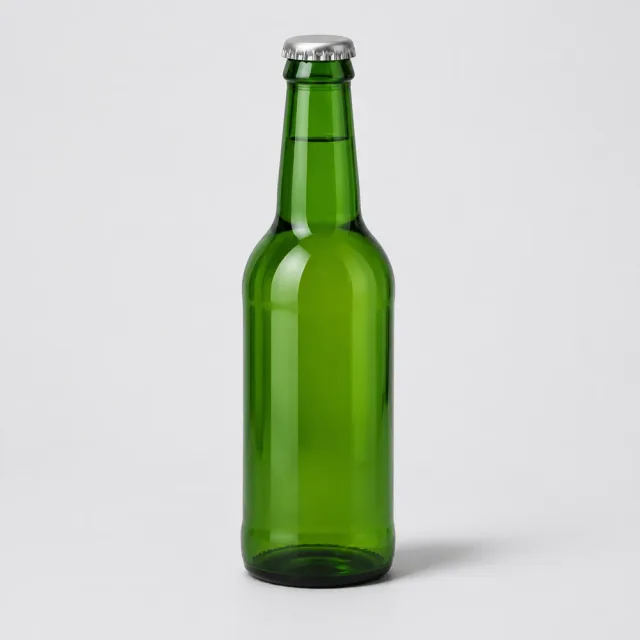
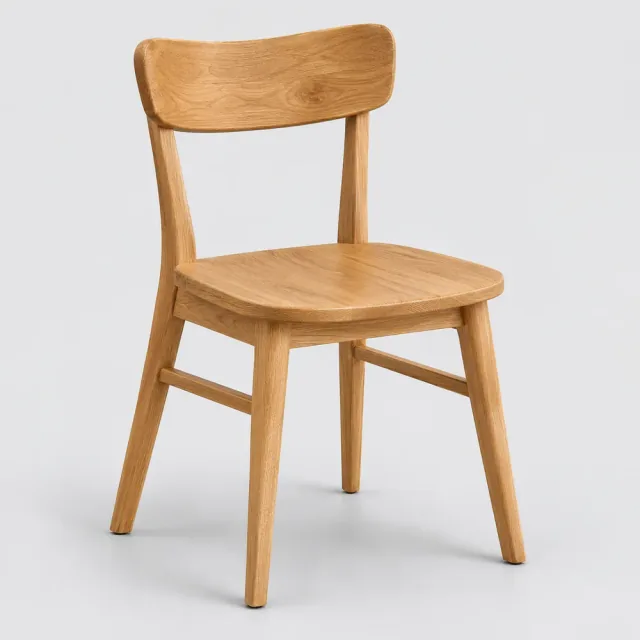
Cork can appear in bottle stoppers, shoe footbeds, furniture surfaces and insulating products. In footwear it may be mixed with binders or rubber rather than used as a single natural slab. A bottle with a cork closure connects glass to a very different biological material, each chosen for a distinct task.
Useful, with limits.
Cork varies naturally, and its useful compressibility is not unlimited. A thin veneer, an agglomerate and a solid stopper behave differently. Binder chemistry can change durability, contact suitability and end-of-life options. Industry claims about naturalness or carbon storage should not be transferred into a universal comparison with all competing materials or products.
A next life depends on the system.
Clean cork may have specialist collection routes that turn it into granulated products. Availability differs by region, and synthetic stoppers should not be mixed into schemes intended for natural cork. Coated or binder-rich composites require separate consideration. A natural bark ingredient does not guarantee that a whole shoe or furniture panel can be composted.
Familiar things, connected.

Follow the evidence
Original explanations informed by the sources below. Technical and industry sources support material behaviour; industry environmental marketing is not treated as a universal comparison. Read our editorial method.
- What it is: cork ↗APCOR — Portuguese Cork Association · Undated · Checked 2026-11-13
- Transformation Process ↗APCOR — Portuguese Cork Association · Undated · Checked 2026-11-13
- Composite Agglomerates ↗APCOR — Portuguese Cork Association · Undated · Checked 2026-11-13