Cast iron
Cast iron is a group of iron alloys with more carbon than typical steels. It flows into moulds well, making thick, complex shapes possible. In grey cast iron, much of the carbon appears as graphite within the metal. A frying pan illustrates its strengths and compromises: substantial mass stores heat, but the material is less forgiving of impact than a ductile steel sheet. Cast iron is not simply pure iron poured into a mould.
Useful properties
Why it earns its placeFrom input to useful material.
A simplified industrial pathway. Select a stage to learn what changes. Recycled feedstock and other process variants can enter at different stages.
Origins & processing
Foundries melt iron-bearing feedstock, often including scrap, and adjust carbon, silicon and other elements. The liquid is poured into a mould, commonly made using sand. As it cools, its chemistry and cooling conditions determine the arrangement of graphite and other phases. Other cast-iron families, such as ductile iron, deliberately alter the graphite form to improve mechanical behaviour. Cleaning, machining and surface finishing complete the object. Enamelled cookware adds a separate glassy surface layer to the underlying iron alloy.
Where it turns up
Cookware is only one use: cast irons also appear in machine housings and other rigid components. In a pan, thickness and mass influence heat storage. In a machine base, the same broad family can provide useful rigidity and vibration damping. These are different functions from the lightweight structural duties of thin steel tubing.
Useful, with limits.
A heavy pan takes energy and time to heat, and temperature may remain uneven if the burner and pan are poorly matched. Ordinary grey cast iron is brittle compared with many steels. Exposed iron can rust, while an enamel layer can chip. These properties do not make it universally better or worse than aluminium or stainless cookware.
A next life depends on the system.
A serviceable pan may remain useful for many years. When it is beyond use, ask a local metal recycler about cookware; acceptance may differ from food-can collection. Enamel or other coatings do not make the iron disappear, but processors must manage them. A cracked structural part should not be assumed safe just because its material is recyclable.
Familiar things, connected.
Desk lamp
Light arms reach outward; a heavy base makes that reach possible.
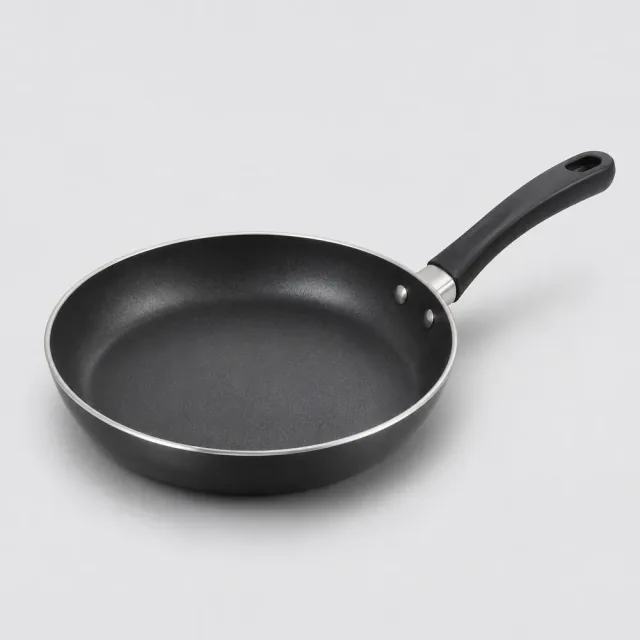
Frying pan
Heat spreading and food release ask for different surfaces.
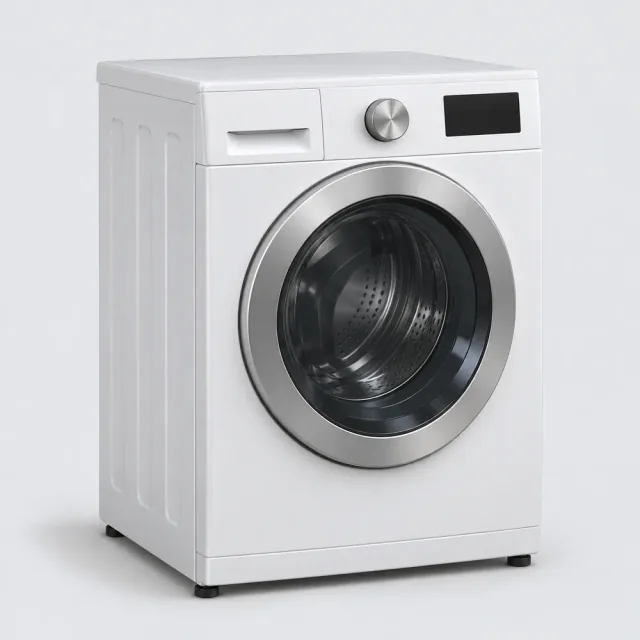
Washing machine
A wet working chamber inside a structural and electrical system.
Follow the evidence
Original explanations informed by the sources below. Technical and industry sources support material behaviour; industry environmental marketing is not treated as a universal comparison. Read our editorial method.
- Sand casting ↗The Open University · 2017 · Checked 2026-11-13
- Raw materials ↗World Steel Association · Undated · Checked 2026-11-13