Not all transparent glass behaves alike
Glass is a family of compositions and treatments. Changing the network chemistry changes expansion, chemical resistance and processing. Strengthening changes how a piece fails without making it unbreakable.
On a phone, each design question stacks the material choices for easier reading.
| Design question | Soda-lime glass | Borosilicate glass | Aluminosilicate glass |
|---|---|---|---|
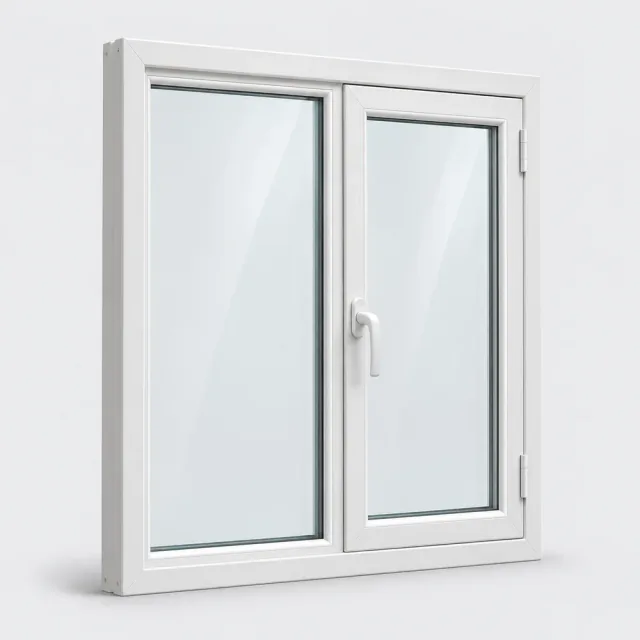
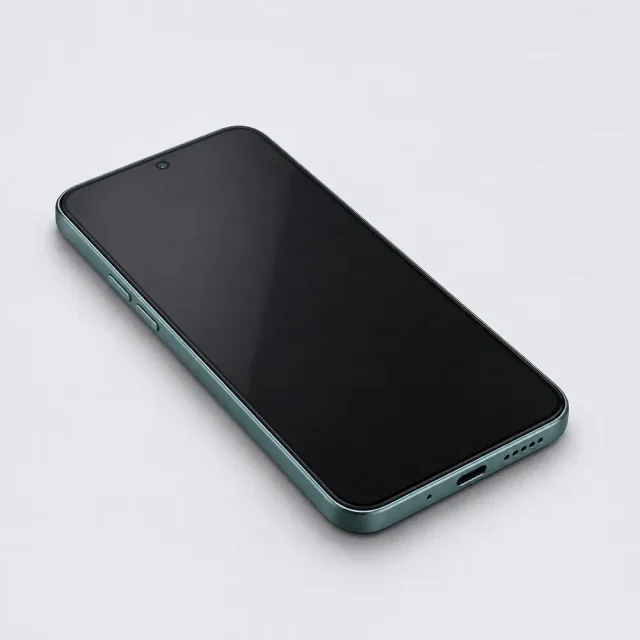
| Common roles | Windows and containers at large industrial scale. | Laboratory vessels and some heat-resistant household products. | Speciality cover glass, including some phone screens. |
| Temperature changes | Typically expands more than low-expansion borosilicate. | Lower thermal expansion helps resist thermal shock. | Performance depends on formulation and treatment. |
| Strength | Tempering or lamination can change safety behaviour. | Still brittle; edge damage and thermal conditions matter. | Chemical strengthening can create a compressive surface layer. |
| Collection | Bottle collection is not automatically a route for window glass. | Often excluded from ordinary container-glass streams. | Bonded screen assemblies need an electronics route. |
What changes the answer?
Transparency is a shared appearance, not proof of interchangeable composition. Follow the product’s intended use; this comparison does not certify any vessel for heating.
Keep following the thread
All objects ↗Familiar things, connected.
Follow the evidence
Original explanations informed by the sources below. Technical and industry sources support material behaviour; industry environmental marketing is not treated as a universal comparison. Read our editorial method.
- How we make glass: chemistry of glass ↗Pilkington / NSG Group · Undated · Checked 2026-11-13
- About glass ↗British Glass · Undated · Checked 2026-11-13
- Quality of recycling: Towards a reference framework for the circular economy ↗European Commission Joint Research Centre · 2020 · Checked 2026-11-13
- Borosilicate Glass ↗SCHOTT · Undated · Checked 2026-11-13
- Types of Technical Glasses ↗SCHOTT · Undated · Checked 2026-11-13
- Borosilicate glass: recycling guidance ↗North London Waste Authority · Undated · Checked 2026-11-13
- Main properties of SCHOTT glass ↗SCHOTT · 2026-07 · Checked 2026-11-13
- What makes a window ENERGY STAR? ↗ENERGY STAR / U.S. Environmental Protection Agency · Undated · Checked 2026-11-13
- About glass ↗British Glass · Undated · Checked 2026-11-13
- A World of Minerals in Your Mobile Device ↗U.S. Geological Survey · 2016-09 · Checked 2026-11-13
- Used Lithium-Ion Batteries ↗U.S. Environmental Protection Agency · Undated · Checked 2026-11-13
- HD9305/26 kettle specifications ↗Philips · Undated · Checked 2026-11-13
- Borosilicate glass ↗SCHOTT · Undated · Checked 2026-11-13
- Pots and pans: cookware materials ↗Tefal / Groupe SEB · Undated · Checked 2026-11-13