Wood or polypropylene for a chair?
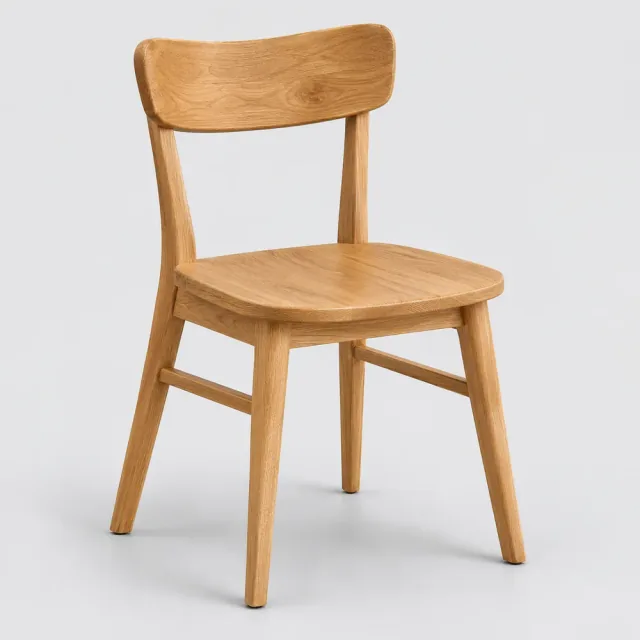
A chair must combine stable geometry, joints and material properties. Comparing a solid timber chair with a moulded plastic chair also compares manufacturing methods and designs, not just two raw substances.
On a phone, each design question stacks the material choices for easier reading.
| Design question | Wood | Polypropylene |
|---|---|---|
| Structure | Properties differ along and across the grain; joints are important. | Moulding can combine ribs, curves and a seat into one component. |
| Moisture | Takes up and loses moisture, changing dimensions. | Low water uptake is useful in damp environments. |
| Long-term use | Repair and refinishing may extend life; coatings and joinery affect options. | Creep, sunlight exposure and stabilisers influence long-term performance. |
| After use | Reuse is valuable; coatings and engineered boards change disposal routes. | A resin code does not ensure a collection service accepts a bulky chair. |
What changes the answer?
Consider the actual setting, loads, durability, repairability and available collection. Natural origin and one-piece manufacture each offer benefits, but neither is a universal verdict.
Keep following the thread
All objects ↗Familiar things, connected.
Follow the evidence
Original explanations informed by the sources below. Technical and industry sources support material behaviour; industry environmental marketing is not treated as a universal comparison. Read our editorial method.
- Wood Handbook: Wood as an Engineering Material ↗USDA Forest Service, Forest Products Laboratory · 2021 (handbook revision) · Checked 2026-11-13
- Wood Handbook, Chapter 4: Moisture relations and physical properties of wood ↗Samuel V. Glass and Samuel L. Zelinka; USDA Forest Service · 2021-03 · Checked 2026-11-13
- Polypropylene (PP) ↗British Plastics Federation · Undated · Checked 2026-11-13
- Plastics Processes ↗British Plastics Federation · Undated · Checked 2026-11-13
- VIHALS chair: materials and care ↗IKEA · Undated · Checked 2026-11-13
- STEFAN chair: materials and care ↗IKEA · Undated · Checked 2026-11-13
- STRANDMON armchair: materials and care ↗IKEA · Undated · Checked 2026-11-13
- Wood Handbook, Chapter 13: Drying and control of moisture content and dimensional changes ↗Richard Bergman; USDA Forest Service, Forest Products Laboratory · 2021 · Checked 2026-11-13