Tin
Tin is a soft metal that commonly works in a thin layer or an alloy. A traditional tin can is mostly steel with a tin coating, often with an additional internal lining. Electronics can use tin-rich solder to connect components. Tin is also part of the industrial float-glass process, where molten glass rests on molten tin; the finished window is glass, not a tin sheet.
Useful properties
Why it earns its placeFrom input to useful material.
A simplified industrial pathway. Select a stage to learn what changes. Recycled feedstock and other process variants can enter at different stages.
Origins & processing
The main tin ore mineral is cassiterite, tin oxide. Mining and concentration separate this dense mineral from accompanying rock or sediment. Smelting and refining produce metal that can be plated onto steel or mixed with other elements. Electronic solders can combine tin with silver, copper or other additions to meet different requirements. A coating or joint therefore has a manufacturing history beyond tin extraction. Recovered tin and tin-bearing residues can also enter suitable processing routes.
Where it turns up
Tin links food packaging and electronics in very different ways. A steel can uses its surface role, while a circuit board uses solder joints between conductors and components. Bronze is another familiar tin-containing alloy, though its properties differ greatly from soft pure tin. Tin-containing compounds serve still other functions.
Useful, with limits.
A protective coating can be damaged, and can performance also depends on the food, lining and storage conditions. Solder must meet mechanical and thermal demands as well as melt during manufacture. Properties of metallic tin should not be generalized to all tin compounds. The word tin on packaging is often informal and does not identify its full construction.
A next life depends on the system.
Steel food cans usually enter a metal-packaging route where accepted locally. Tin may be recovered in specialized operations but is not guaranteed to return to another can coating. Electronic solder follows an e-waste route rather than household metal packaging. Reusing working electronics can retain many small functional materials that are difficult to separate individually.
Familiar things, connected.
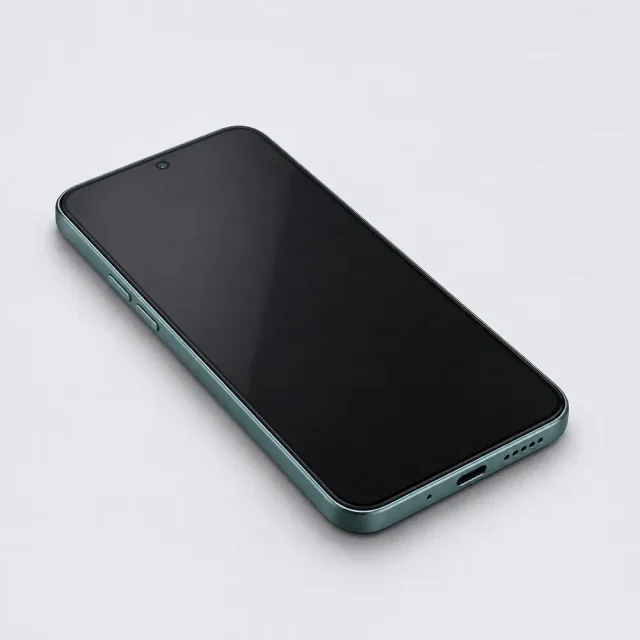
Mobile phone
A small meeting place for very different materials.
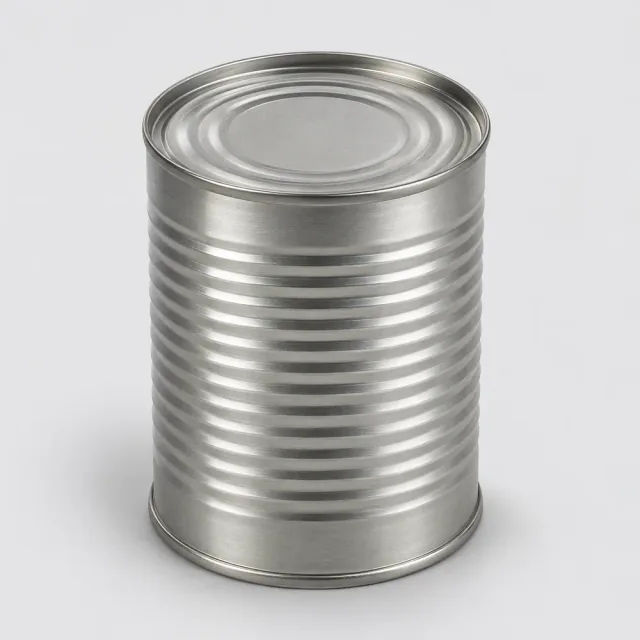
Food can
Mostly steel, despite the familiar name “tin”.
Laptop
A portable computer is also a compact heat-management system.
Television
An LED label does not necessarily mean an LED makes every picture pixel.
Follow the evidence
Original explanations informed by the sources below. Technical and industry sources support material behaviour; industry environmental marketing is not treated as a universal comparison. Browse the source register.
- Tin — element information, properties and uses ↗Royal Society of Chemistry · Undated · Checked 2026-11-13
- Mineral Commodity Summaries 2026 — Tin ↗U.S. Geological Survey, National Minerals Information Center · 2026-05-27 (version 1.3) · Checked 2026-11-13