Silk
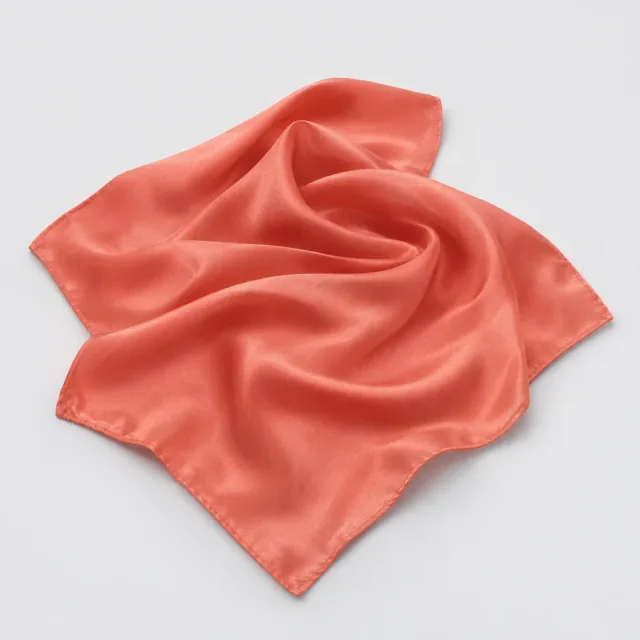
Silk is a protein fibre produced by certain insects. Much familiar textile silk comes from the domesticated mulberry silkworm, Bombyx mori, whose cocoon contains a long filament made from fibroin with a sericin coating. Reeling several fine filaments together creates a usable yarn. Silk’s sheen, drape and strength contribute to its appeal, but satin is a weave rather than a fibre: a glossy scarf may be silk, polyester or another material.
Useful properties
Why it earns its placeStrong fine filaments ↗
Continuous filaments can make light, strong yarns, although damage, ageing and wet conditions change performance.
A characteristic lustre ↗
The fibre and fabric structure interact with light to create sheen; appearance alone cannot identify silk.
Absorbent protein fibre ↗
Silk absorbs moisture and becomes weaker when wet, so care depends on the finished textile and its dyes.
From input to useful material.
A simplified industrial pathway. Select a stage to learn what changes. Recycled feedstock and other process variants can enter at different stages.
Origins & processing
Conventional mulberry sericulture involves growing feed, raising silkworms and collecting cocoons. Heat treatment generally kills the pupa before moth emergence breaks the continuous filament; this is an important feature of the conventional production route. Preparing and softening the cocoon allows several filaments to be reeled together. Degumming removes much of the sericin to change softness, lustre and handle; its position in the production sequence can vary. Yarn is then woven or knitted, dyed and finished. Other silk species and spun-silk routes produce different textiles.
Where it turns up
Silk is used in scarves, garments, linings, decorative textiles and specialised yarns. A scarf can showcase how weave, twist and finishing change the same fibre from crisp to fluid. Some fabrics mix silk with wool, cotton or synthetic fibres. The blend and construction, rather than the silk percentage alone, determine wear, appearance and care needs.
Useful, with limits.
Silk is sensitive to prolonged light exposure, and some finishes or historical weighting treatments accelerate deterioration. It is less elastic than wool, and abrasion, perspiration and unsuitable cleaning can damage a delicate fabric. Conventional cocoon processing also raises animal-welfare considerations. Claims about alternative silk production require evidence about the actual rearing and harvesting practice rather than relying on an evocative product name.
A next life depends on the system.
Repair, careful storage and reuse can retain a finished silk textile’s value. Cutting and respinning waste creates shorter-fibre yarns with different properties from reeled filament silk. Protein fibre can biodegrade under appropriate conditions, but dyes, coatings and blended components complicate that possibility. Most household collections do not separate silk for fibre recovery, so a specific textile reuse or recycling service is needed.
Familiar things, connected.

Follow the evidence
Original explanations informed by the sources below. Technical and industry sources support material behaviour; industry environmental marketing is not treated as a universal comparison. Browse the source register.
- Silk reeling and testing manual — Chapter 1: Introduction ↗Food and Agriculture Organization of the United Nations · Undated · Checked 2026-11-13
- Silk reeling and testing manual — Chapter 2: Characteristics of the cocoon ↗Food and Agriculture Organization of the United Nations · Undated · Checked 2026-11-13
- Caring for textiles and costumes — Preventive conservation guidelines for collections ↗Canadian Conservation Institute · Undated · Checked 2026-11-13