Silicon
Silicon is the element behind many computer chips and solar cells. Its electrical behaviour can be tuned by adding tiny, controlled amounts of other elements. Silicon is not silica, the silicon–oxygen compound found in quartz, and it is not silicone, the polymer family used in seals. These similar names describe very different materials. Electronic devices need exceptionally pure, precisely processed silicon rather than ordinary sand or general-purpose silicon metal.
Useful properties
Why it earns its placeFrom input to useful material.
A simplified industrial pathway. Select a stage to learn what changes. Recycled feedstock and other process variants can enter at different stages.
Origins & processing
Silica-rich raw material is reduced at high temperature to make metallurgical silicon. Electronic and photovoltaic uses then require extensive purification. Crystal growth produces ingots that can be sliced into wafers, with later steps creating the active electrical structures. Much silicon also goes into alloys and chemicals instead of wafers. A statistic for silicon metal or ferrosilicon should not be labelled solar-cell output. Between a quartz source and a working chip lie multiple specialized industries, and substantial processing determines the final material.
Where it turns up
Chips in a phone and crystalline-silicon cells in a solar panel share an element but use different device structures and manufacturing tolerances. Silicon is also an alloying ingredient in cast aluminium and a starting point for silicone chemistry. A material connection is therefore more informative than assuming that every silicon use follows the same route.
Useful, with limits.
A silicon wafer is brittle, which helps explain protective packaging and panel laminates. Device performance depends on structures, contacts and purity rather than the element alone. Solar technologies also include non-silicon types. Semiconductor manufacture needs energy, chemicals and carefully managed water; a familiar sand-to-chip story can hide the complexity of these steps.
A next life depends on the system.
Working electronics and panels retain more value as functioning products than as mixed scrap. At end of use, specialized systems may recover different fractions, but silicon recovery is not guaranteed by a generic e-waste or panel-recycling label. Thin wafers bonded to coatings, metals and polymers create separation challenges. Follow suitable local electrical-product routes.
Familiar things, connected.
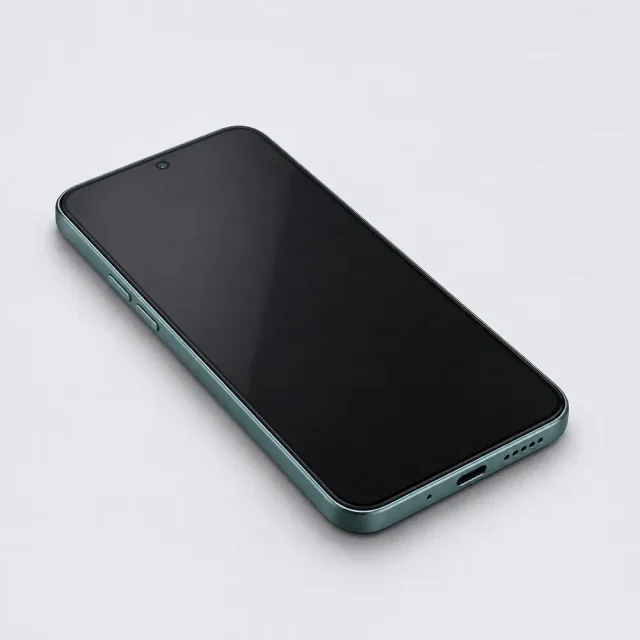
Mobile phone
A small meeting place for very different materials.
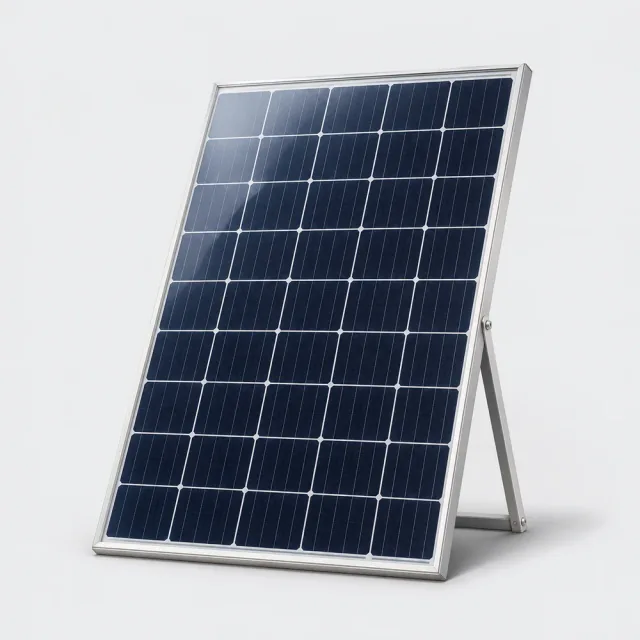
Solar panel
A fragile semiconductor protected for outdoor work.
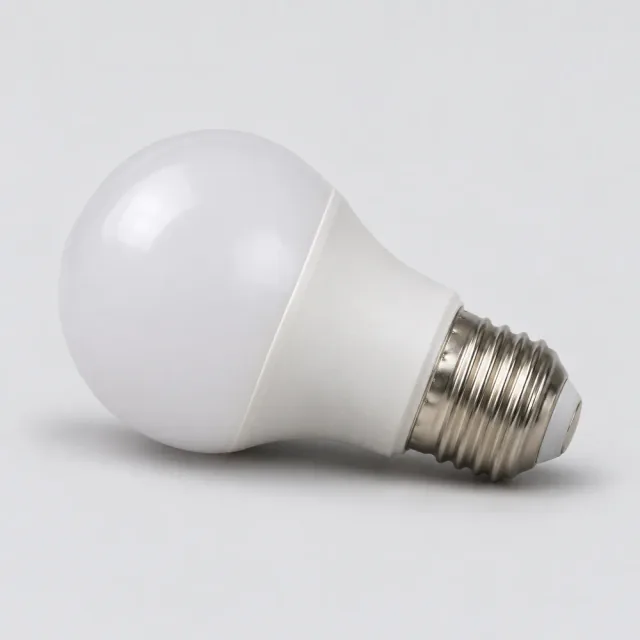
LED lamp
Making light still leaves heat to manage.
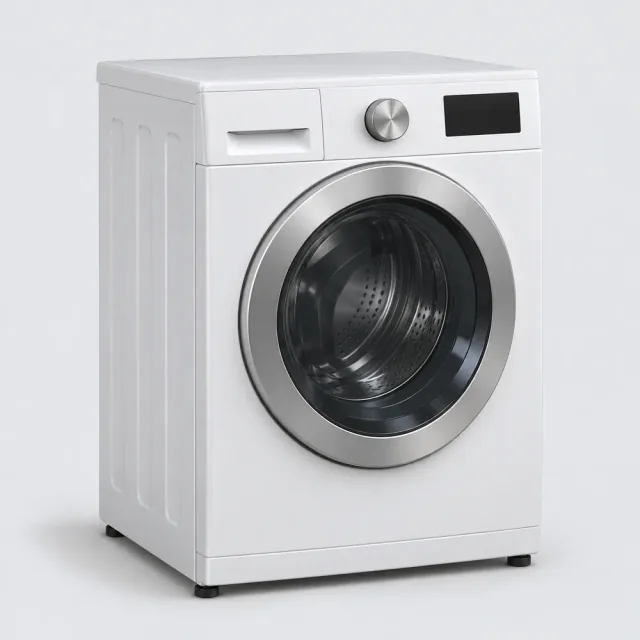
Washing machine
A wet working chamber inside a structural and electrical system.
Follow the evidence
Original explanations informed by the sources below. Technical and industry sources support material behaviour; industry environmental marketing is not treated as a universal comparison. Browse the source register.
- Silicon — element information, properties and uses ↗Royal Society of Chemistry · Undated · Checked 2026-11-13
- Mineral Commodity Summaries 2026 — Silicon ↗U.S. Geological Survey, National Minerals Information Center · 2026-05-27 (version 1.3) · Checked 2026-11-13
- Solar Photovoltaic Manufacturing Basics ↗U.S. Department of Energy · Undated · Checked 2026-11-13
- How Do I Recycle Common Recyclables ↗U.S. Environmental Protection Agency · Undated · Checked 2026-11-13