Polycarbonate
Polycarbonate is an engineering thermoplastic valued for clarity and toughness. It can provide a transparent cover or lens that resists impact better than many brittle clear materials. That does not make it scratch-proof, and protective coatings are often useful. Polycarbonate can also be blended with other polymers for opaque housings. A clear spectacle lens and a dark electronics casing may therefore share part of their material chemistry.
Useful properties
Why it earns its placeFrom input to useful material.
A simplified industrial pathway. Select a stage to learn what changes. Recycled feedstock and other process variants can enter at different stages.
Origins & processing
Polycarbonate is produced by chemical reactions that create carbonate links along long polymer chains. Conventional commercial routes use petrochemical building blocks. Manufacturers control molecular properties and additives, then dry and mould or extrude the resin. Lens and cover products may receive hard coatings or other surface treatments. Blends with ABS follow another formulation route. The base polymer is therefore only one ingredient in a finished optical or structural component, whose specification includes the surface and processing quality.
Where it turns up
Some spectacle lenses, lighting diffusers and transparent covers use polycarbonate. Housings can use PC–ABS blends where a different balance of toughness, appearance and heat performance is required. A transparent object might instead be acrylic, glass or another polymer, so visual appearance alone cannot identify polycarbonate.
Useful, with limits.
Polycarbonate can scratch and may be affected by particular chemicals or sustained stress. Optical performance, ultraviolet durability and heat tolerance depend on the grade and coatings. Impact-resistant material is not the same as certified protective equipment. Food-contact suitability and any applicable restrictions concern a specified product and use, not a generic internet material description.
A next life depends on the system.
Clean, identified polycarbonate can be reprocessed through suitable specialist streams, but small coated lenses and mixed electronics parts are difficult household recycling items. Use optical or electronics take-back where available and verify what is accepted. A resin code shared by several miscellaneous plastics does not identify a dedicated recovery route.
Familiar things, connected.
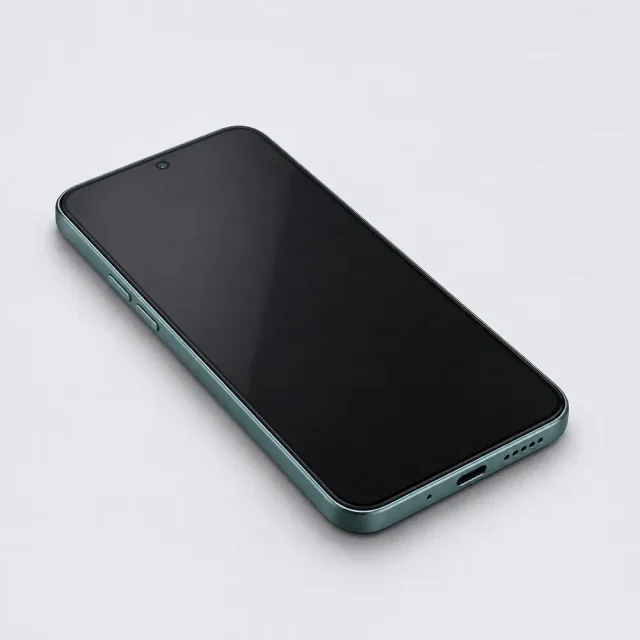
Mobile phone
A small meeting place for very different materials.
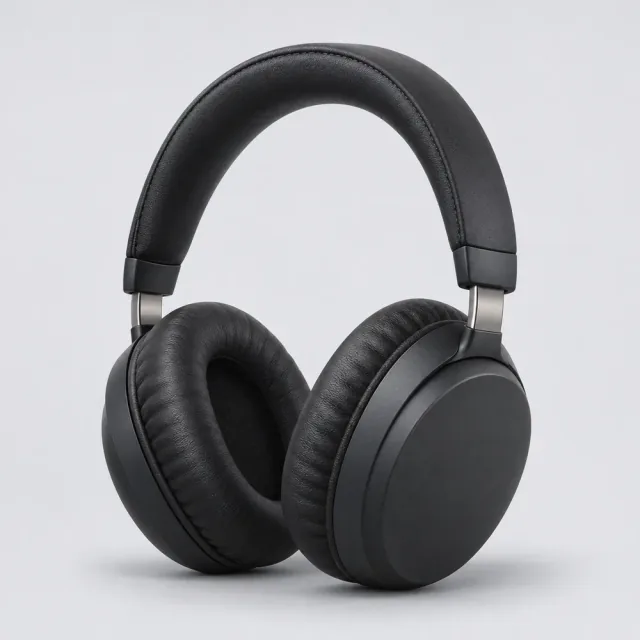
Headphones
A controlled movement becomes sound.
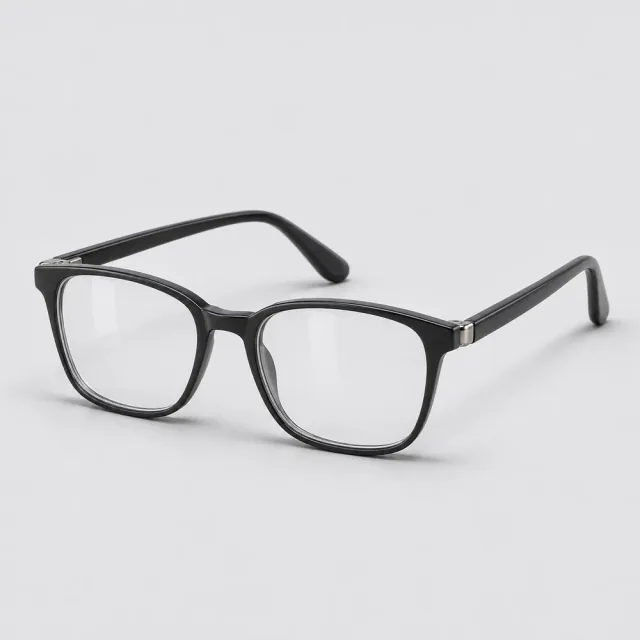
Spectacle frames
Small components balance stiffness, flexibility and comfort.
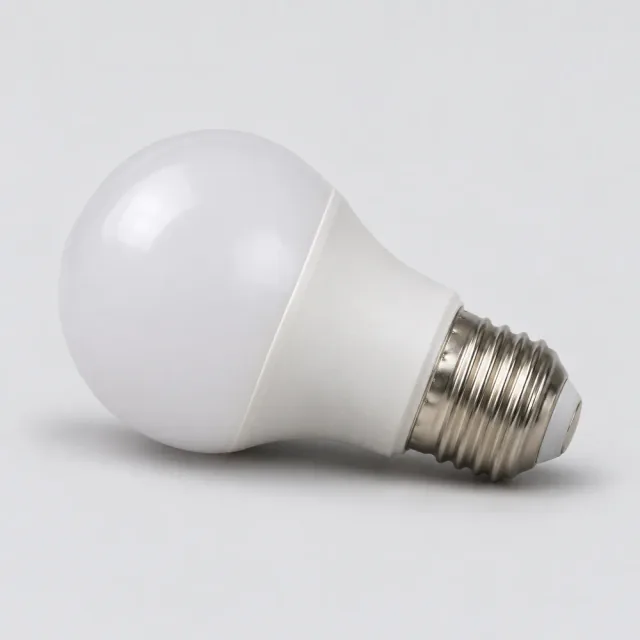
LED lamp
Making light still leaves heat to manage.
Follow the evidence
Original explanations informed by the sources below. Technical and industry sources support material behaviour; industry environmental marketing is not treated as a universal comparison. Browse the source register.
- Polycarbonate (PC) ↗British Plastics Federation · Undated · Checked 2026-11-13
- Plastics Processes ↗British Plastics Federation · Undated · Checked 2026-11-13