Lithium
Lithium names an element, not one finished battery material. In a conventional lithium-ion cell, lithium ions move between electrode materials during charging and use. The electrodes are compounds and structures, not simply pieces of lithium metal. Different chemistries use different host materials, which changes performance and resource needs. Lithium metal is used in some other battery types, so the label lithium battery alone does not describe construction.
Useful properties
Why it earns its placeLow mass per transferred charge ↗
Lithium contributes one electron per atom, with low atomic mass helping cell-level specific energy.
Ion transport ↗
Lithium ions move through a suitable electrolyte between electrodes.
Electrode chemistry ↗
Lithium compounds can be incorporated into different electrode host structures.
From input to useful material.
A simplified industrial pathway. Select a stage to learn what changes. Recycled feedstock and other process variants can enter at different stages.
Origins & processing
Commercial lithium supply includes extraction from hard-rock minerals such as spodumene and from lithium-bearing brines. The routes differ in preparation, water use and chemical processing. Concentrates or solutions are refined into products such as lithium carbonate or lithium hydroxide, then used to make battery materials or other products. Battery-grade purity is a further requirement, not something obtained merely by mining ore. Recycling can provide additional feedstock, but a recovered chemical must still meet the next process specification.
Where it turns up
Phones, wireless headphones and many rechargeable devices use lithium-ion cells, with chemistry varying by model. Lithium compounds also appear in glass, ceramics and lubricants. A mineral-source map therefore describes an element supply chain serving multiple industries; it does not show where a specific battery was assembled or which cathode it contains.
Useful, with limits.
Battery energy, lifespan and safety depend on the complete cell and its management system. Lithium content alone cannot predict them. Extraction can create significant local water, waste and land-management issues, but impacts differ by site and process. Rechargeable cells can retain hazardous energy after they seem empty and should not be opened or modified.
A next life depends on the system.
Use dedicated battery or electronic-device collection according to local rules. Avoid putting lithium-ion batteries into mixed recycling, where damage can cause fires. Industrial recovery methods differ in which materials they recover and the purity of their outputs. Reuse or refurbishment is appropriate only through suitable assessment; this atlas does not give instructions for rebuilding cells.
Familiar things, connected.
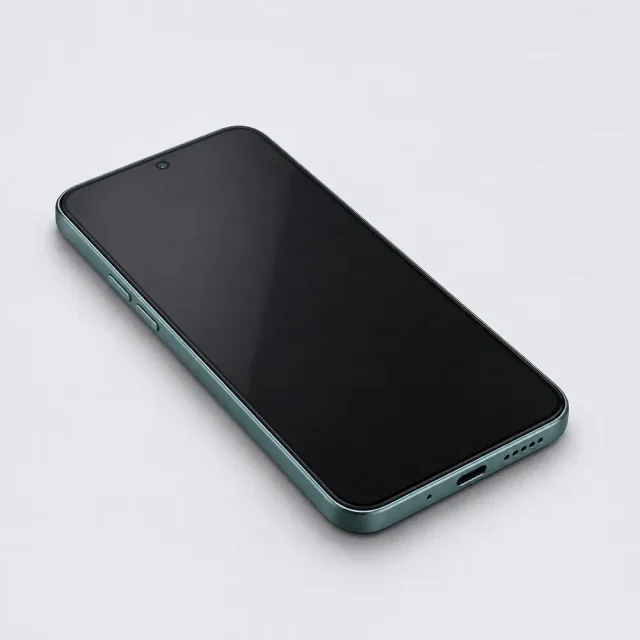
Mobile phone
A small meeting place for very different materials.
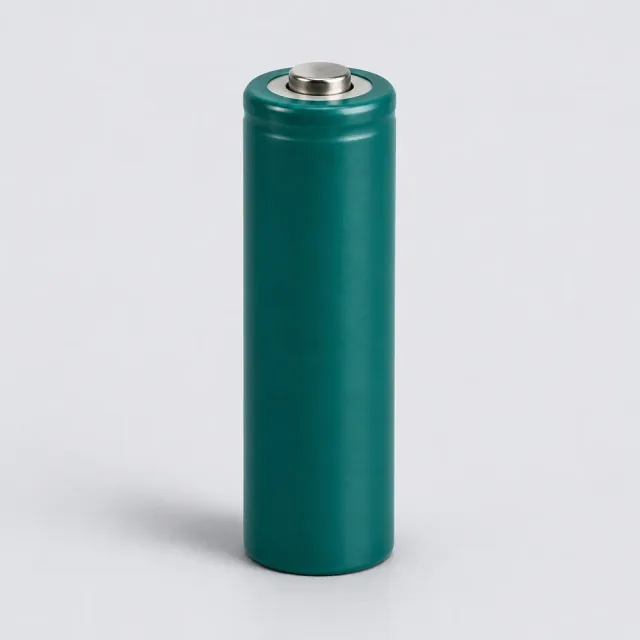
Lithium-ion battery
Ions travel inside; electrons take the useful outside route.
Laptop
A portable computer is also a compact heat-management system.
Game controller
The same hand movement can be sensed by contact or by magnetism.
Follow the evidence
Original explanations informed by the sources below. Technical and industry sources support material behaviour; industry environmental marketing is not treated as a universal comparison. Read our editorial method.
- Lithium — element information, properties and uses ↗Royal Society of Chemistry · Undated · Checked 2026-11-13
- Mineral Commodity Summaries 2026 — Lithium ↗U.S. Geological Survey, National Minerals Information Center · 2026-05-27 (version 1.3) · Checked 2026-11-13
- Technology Strategy Assessment — Lithium-ion ↗U.S. Department of Energy · 2023-07 · Checked 2026-11-13
- How Do I Recycle Common Recyclables ↗U.S. Environmental Protection Agency · Undated · Checked 2026-11-13