EPDM rubber
EPDM is a synthetic rubber based on ethylene, propylene and a small diene component that provides sites for crosslinking. It is often selected for weather seals because suitable compounds withstand ozone, outdoor exposure and water well. The finished rubber includes more than the named polymer: fillers, processing aids and the cure system shape its properties. A black gasket cannot be identified as EPDM from colour alone, since several rubber families look similar.
Useful properties
Why it earns its placeRecoverable deformation ↗
A crosslinked network lets the rubber deform and recover, helping a compressed gasket maintain contact with adjacent surfaces.
A compliant sealing interface ↗
A suitably designed EPDM profile closes gaps, but leakage also depends on compression, joints, surface condition and fluid compatibility.
Weather and chemical compatibility ↗
EPDM resists many weathering conditions and aqueous environments, while petroleum oils and fuels are usually unsuitable.
From input to useful material.
A simplified industrial pathway. Select a stage to learn what changes. Recycled feedstock and other process variants can enter at different stages.
Origins & processing
Production begins by polymerising the selected monomers into an elastomer with controlled composition. A rubber compounder mixes the polymer with fillers and the ingredients needed for processing and curing. Extrusion can make continuous weather-seal profiles, while moulding creates shaped gaskets and other components. Vulcanisation forms crosslinks that establish elastic behaviour and prevent ordinary remelting. Trimming, joining and inspection produce the finished part. A cellular sponge grade introduces additional structure, so it should not be assigned the same properties as dense EPDM.
Where it turns up
EPDM is used in window and door weather stripping, outdoor gaskets, water-system seals and selected cable insulation. Some appliance seals use it where water and cleaning conditions suit the compound. A washing-machine door seal or electrical cable still requires product-specific identification: the necessary temperature, fluid and electrical performance cannot be inferred simply from the familiar rubbery appearance.
Useful, with limits.
Petroleum oils, greases, fuels and some solvents can cause unacceptable swelling or softening. Long-term compression, heat and ageing may reduce a seal’s ability to recover, even in an otherwise compatible environment. Hardness, formulation and cure quality affect these changes. EPDM therefore cannot be chosen solely because a part is outdoors; the actual fluid, motion, temperature and sealing geometry also matter.
A next life depends on the system.
Replacing a damaged gasket can extend the life of a much larger window or appliance. Vulcanised EPDM does not melt and remould like an ordinary thermoplastic. Specialist grinding, reuse or reclamation routes exist for suitable clean material, but metal reinforcement, adhesives and mixed rubber streams complicate recovery. Local programmes vary, and a rubber recycling label should identify the actual accepted product and process.
Familiar things, connected.
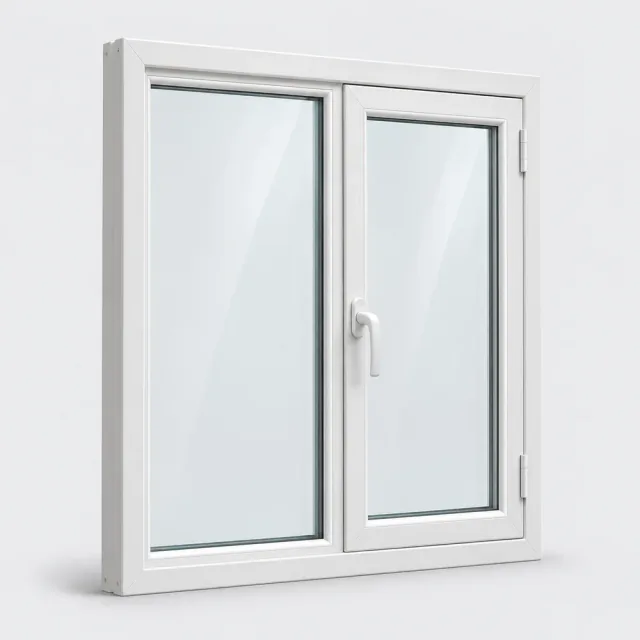
Insulated window
The invisible gaps matter as much as the glass.
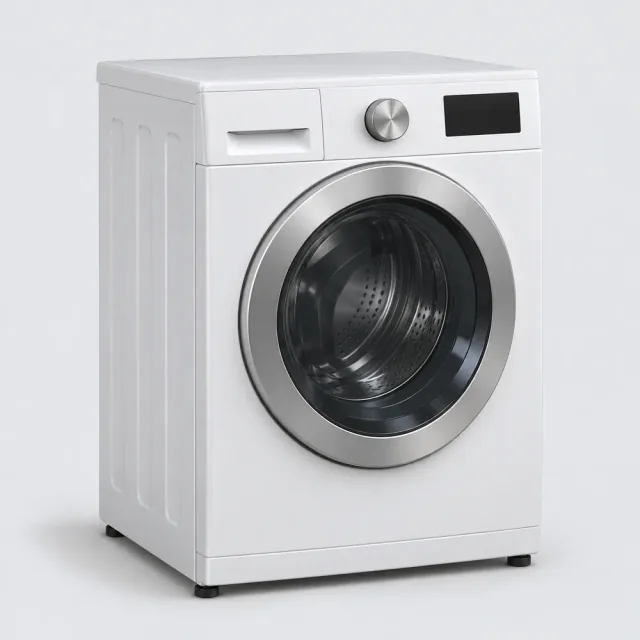
Washing machine
A wet working chamber inside a structural and electrical system.
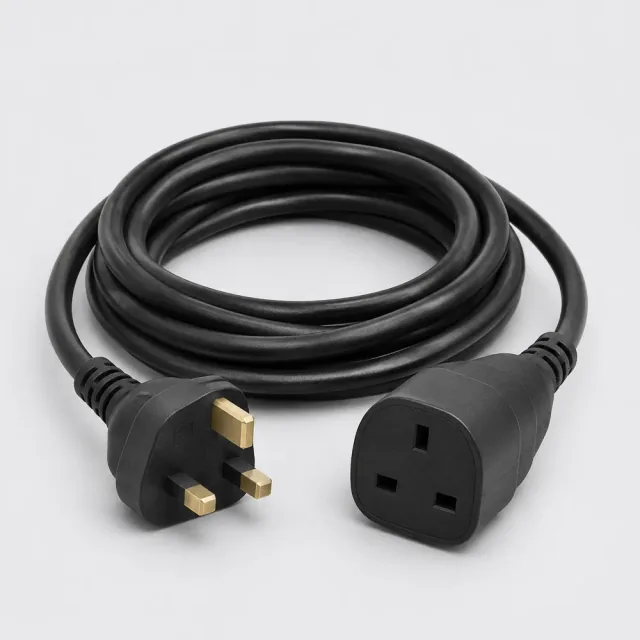
Electric cable
A conductor is useful only when its current stays on the intended path.
Follow the evidence
Original explanations informed by the sources below. Technical and industry sources support material behaviour; industry environmental marketing is not treated as a universal comparison. Read our editorial method.
- EPDM rubber parts: Extruded, molded and die cut ↗National Rubber Corporation · Undated · Checked 2026-11-13
- Parker O-Ring Handbook — Basic O-Ring Elastomers ↗Parker Hannifin, O-Ring & Engineered Seals Division · Undated · Checked 2026-11-13