Cobalt
Cobalt is a metal, but much of its everyday role is within compounds. Some lithium-ion cathodes contain cobalt alongside lithium, oxygen and sometimes nickel and manganese. Cobalt compounds also produce colours in glass and ceramics, while the metal is used in demanding alloys. These forms have different properties. Not every rechargeable battery contains cobalt: chemistry must be identified before drawing conclusions about a particular device.
Useful properties
Why it earns its placeFrom input to useful material.
A simplified industrial pathway. Select a stage to learn what changes. Recycled feedstock and other process variants can enter at different stages.
Origins & processing
Cobalt is commonly recovered alongside copper or nickel, so its supply is linked to mines and processes whose main product may be another metal. Concentration, leaching or smelting and chemical separation produce intermediate materials. Further refining yields metal or compounds suitable for pigments, alloys or battery precursors. Battery materials require controlled purity and chemistry. Recovery from used batteries and industrial scrap offers another route, but these secondary streams differ in composition and need their own treatment.
Where it turns up
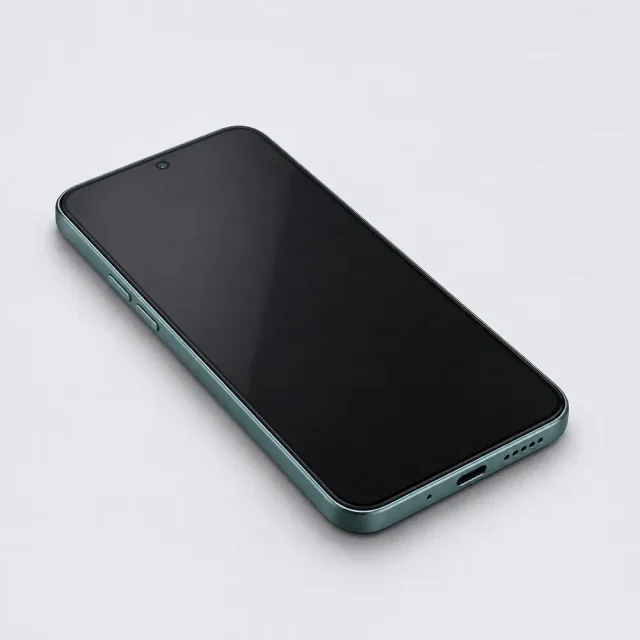
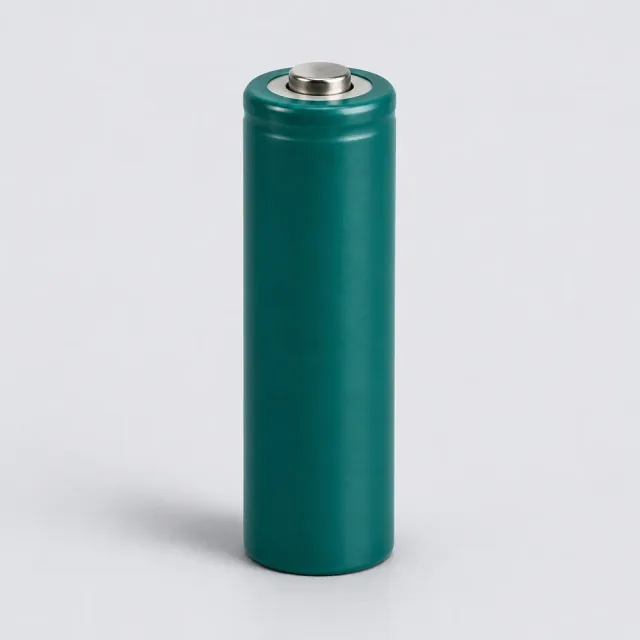
A phone battery may use a cobalt-containing cathode, while a blue ceramic surface may contain a cobalt pigment. The first relies on controlled electrochemistry; the second on how a compound interacts with light in a fired material. These connections explain why the same element can appear in objects that look unrelated.
Useful, with limits.
Cathode chemistry varies, including cobalt-free options. It is misleading to transfer the hazards or physical properties of pure cobalt directly to every compound or finished product. Mining conditions, worker protection and supply-chain traceability also matter; a national production share cannot establish the working conditions behind an individual component. Responsible procurement needs product-level evidence.
A next life depends on the system.
Cobalt in suitable battery and alloy scrap can be recovered industrially. Collection is essential, and batteries need an appropriate dedicated route because of fire and chemical hazards. Cobalt dispersed in a ceramic pigment is a different recovery problem. Recyclability of the element does not imply routine recovery from every product containing traces of it.
Familiar things, connected.

Follow the evidence
Original explanations informed by the sources below. Technical and industry sources support material behaviour; industry environmental marketing is not treated as a universal comparison. Browse the source register.
- Cobalt — element information, properties and uses ↗Royal Society of Chemistry · Undated · Checked 2026-11-13
- Mineral Commodity Summaries 2026 — Cobalt ↗U.S. Geological Survey, National Minerals Information Center · 2026-05-27 (version 1.3) · Checked 2026-11-13
- Technology Strategy Assessment — Lithium-ion ↗U.S. Department of Energy · 2023-07 · Checked 2026-11-13
- How Do I Recycle Common Recyclables ↗U.S. Environmental Protection Agency · Undated · Checked 2026-11-13