Acrylic (PMMA)
In a transparent sheet or aquarium wall, acrylic usually means polymethyl methacrylate, abbreviated PMMA. This thermoplastic can provide high optical clarity at lower mass than an equally sized glass part. It can be cast, extruded and shaped into useful curves. Acrylic textile fibre usually means a different polymer family based on acrylonitrile, so a label on a jumper should not be read as the material specification for a clear panel.
Useful properties
Why it earns its placeOptical clarity ↗
Clear PMMA grades transmit visible light well; pigments, textures and optical additives deliberately change the result.
Lower mass than glass ↗
An equal-volume PMMA panel generally weighs less than ordinary glass, although a working panel may need a different thickness.
Sheets, curves and mouldings ↗
The thermoplastic can be shaped with controlled heating; cast and extruded grades do not have identical processing behaviour.
From input to useful material.
A simplified industrial pathway. Select a stage to learn what changes. Recycled feedstock and other process variants can enter at different stages.
Origins & processing
PMMA is made by polymerising methyl methacrylate monomer. In cell casting, polymer formation takes place within a flat mould, commonly between glass sheets, so the chemical and shaping stages are closely connected. Another route produces polymer first, then melts it for extrusion or injection moulding. Manufacturers control molecular structure, colour and additives for different applications. Cutting, polishing, thermoforming and joining convert the stock into a component. The joints and residual stresses are especially important when a transparent structure must hold water.
Where it turns up
PMMA is used in signs, display cases, light guides, lamp diffusers and selected aquarium panels. Clear and diffusing grades perform different optical jobs in lighting. A mirrored acrylic sheet combines a polymer support with a reflective coating; the polymer itself is transparent. Thick aquarium installations also require engineered joints and supports rather than relying on clarity alone.
Useful, with limits.
Acrylic can scratch and can crack under impact or unfavourable stresses. It expands with temperature and has a lower useful temperature range than many glasses. Certain solvents or cleaners cause crazing or chemical damage, particularly around stressed edges and joints. A transparent plastic should therefore be specified by grade and application; visual resemblance does not make PMMA and polycarbonate interchangeable.
A next life depends on the system.
Clean identified PMMA offcuts can enter specialist mechanical recycling, and industrial chemical routes can recover monomer from suitable feedstock. Neither possibility guarantees acceptance by a local household collection. Coatings, embedded electronics, adhesive joints and mixed plastics complicate recovery. A lightly scratched display panel may sometimes be refurbished, while a structural aquarium panel requires assessment appropriate to its load before any repair or reuse.
Familiar things, connected.
Television
An LED label does not necessarily mean an LED makes every picture pixel.
Torch
A metal body can protect the light and carry its heat away.
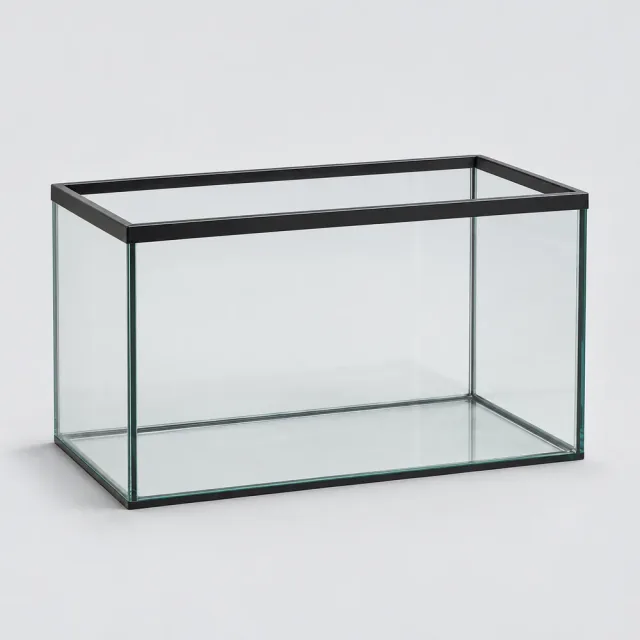
Glass aquarium
Clear walls become a water-holding structure at their joints.
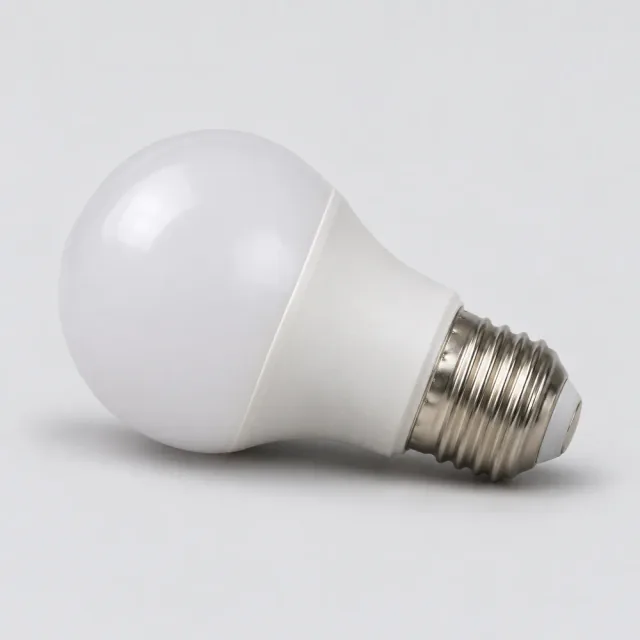
LED lamp
Making light still leaves heat to manage.
Follow the evidence
Original explanations informed by the sources below. Technical and industry sources support material behaviour; industry environmental marketing is not treated as a universal comparison. Read our editorial method.
- How is acrylic made? ↗ACRYLITE / POLYVANTIS · Undated · Checked 2026-11-13
- What is the difference between cast and extruded acrylic sheet? ↗ACRYLITE / POLYVANTIS · Undated · Checked 2026-11-13
- PLEXIGLAS GS/XT — Technical information, reference 211-1 ↗POLYVANTIS · 2025-04 · Checked 2026-11-13