What “recyclable” leaves out
Recycling is a chain of actions, not a single property. An item must be collected, sorted, processed and used as feedstock. These stages vary across places and product designs; a symbol cannot promise that the whole chain exists.
Open the first stop to begin. A reading-path bar stays with you as you explore, so the next step is always in reach.
Start this path →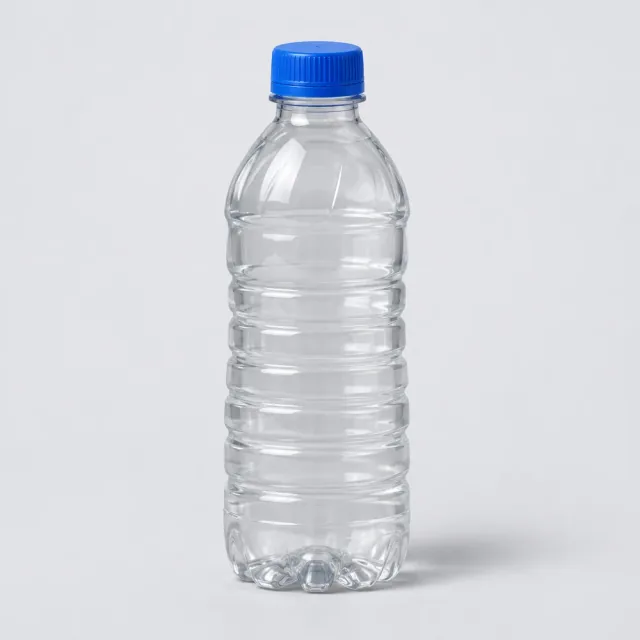 STOP 1 / objects
Begin with an identifiable stream
A PET bottle, cap and label may be made from different polymers. Sorting, colour and contamination affect what happens next. Local collection instructions are more useful than assuming every plastic item follows the same route.
Explore Plastic drink bottle ↗ STOP 2 / objects
Try separating a useful combination
Cartons combine fibre with polymers, sometimes with aluminium. Specialist pulping can recover fibres, but the remaining layers need their own outlets. Collection alone does not show which fractions become new products.
Explore Milk carton ↗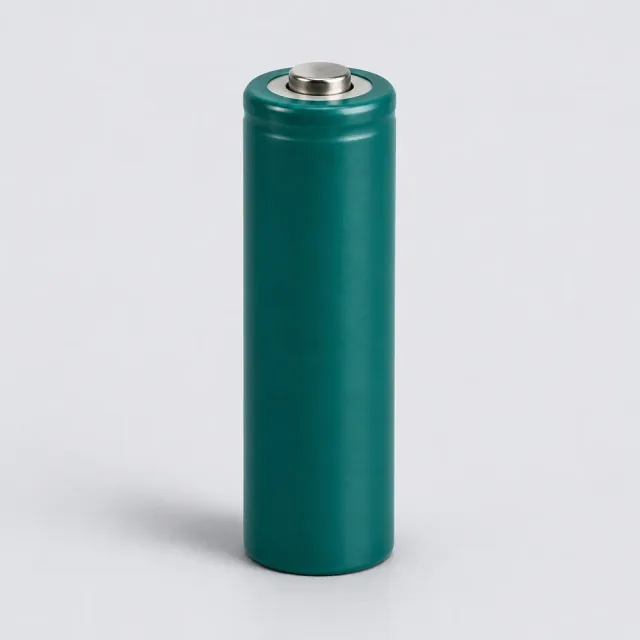 STOP 3 / objects
Recognise a special route
A battery contains reactive materials and stored energy. It needs appropriate collection rather than a household recycling bin. The atlas explains the materials; it does not provide disassembly or processing instructions.
Explore Lithium-ion battery ↗Meet a difficult interface
Fibres embedded in a cured resin are hard to recover intact. Some processes can reclaim fibres, but properties and viable uses may change. A technically possible process is not necessarily available locally.
Explore Carbon-fibre composite ↗Carry this idea with you.
Ask four questions: who collects it, how is it sorted, what process exists, and who can use the recovered output?
Follow the evidence
Original explanations informed by the sources below. Technical and industry sources support material behaviour; industry environmental marketing is not treated as a universal comparison. Read our editorial method.
- NREL Publishes Method for Recycling All Components in Carbon Fiber Composites ↗National Renewable Energy Laboratory / BOTTLE consortium; now hosted by National Laboratory of the Rockies · 2025-06-24 · Checked 2026-11-13
- PET frequently asked questions ↗PET Resin Association · Undated · Checked 2026-11-13
- Consumer guide to plastic resin codes ↗PET Resin Association · Undated · Checked 2026-11-13
- Can plastic bottle caps be recycled? ↗McGill University · Undated · Checked 2026-11-13
- Polyesters (Thermoplastic) PETP, PBT, PET ↗British Plastics Federation · Undated · Checked 2026-11-13
- Plastics Processes ↗British Plastics Federation · Undated · Checked 2026-11-13
- The Facts about PET ↗Dr Frank Welle; Petcore Europe · 2018 · Checked 2026-11-13
- Polyethylene (High Density) HDPE ↗British Plastics Federation · Undated · Checked 2026-11-13
- How Do I Recycle Common Recyclables ↗U.S. Environmental Protection Agency · Undated · Checked 2026-11-13
- Polypropylene (PP) ↗British Plastics Federation · Undated · Checked 2026-11-13
- About Pulp & Paper ↗Confederation of European Paper Industries · Undated · Checked 2026-11-13
- How Is Paper Made Today? ↗American Forest & Paper Association · 2025-05-01 · Checked 2026-11-13
- Carton packaging materials ↗Tetra Pak · Undated · Checked 2026-11-13
- Tetra Pak cartons: From used to useful again ↗Tetra Pak · Undated · Checked 2026-11-13
- Polyethylene (Low Density) LDPE, LLDPE ↗British Plastics Federation · Undated · Checked 2026-11-13
- Aluminum Production and Processing ↗The Aluminum Association · Undated · Checked 2026-11-13
- Mineral Commodity Summaries 2026 — Aluminum ↗U.S. Geological Survey, National Minerals Information Center · 2026-05-27 (version 1.3) · Checked 2026-11-13
- Lithium-Ion Battery Recycling: how cells work and how chemistries differ ↗U.S. Environmental Protection Agency · Undated · Checked 2026-11-13
- Used Lithium-Ion Batteries ↗U.S. Environmental Protection Agency · Undated · Checked 2026-11-13
- Mineral Commodity Summaries 2026 — Graphite ↗U.S. Geological Survey, National Minerals Information Center · 2026-05-27 (version 1.3) · Checked 2026-11-13
- Technology Strategy Assessment — Lithium-ion ↗U.S. Department of Energy · 2023-07 · Checked 2026-11-13
- Mineral Commodity Summaries 2026 — Copper ↗U.S. Geological Survey, National Minerals Information Center · 2026-05-27 (version 1.3) · Checked 2026-11-13
- Copper Life Cycle ↗International Copper Association · Undated · Checked 2026-11-13
- Lithium — element information, properties and uses ↗Royal Society of Chemistry · Undated · Checked 2026-11-13
- Mineral Commodity Summaries 2026 — Lithium ↗U.S. Geological Survey, National Minerals Information Center · 2026-05-27 (version 1.3) · Checked 2026-11-13
- Cobalt — element information, properties and uses ↗Royal Society of Chemistry · Undated · Checked 2026-11-13
- Mineral Commodity Summaries 2026 — Cobalt ↗U.S. Geological Survey, National Minerals Information Center · 2026-05-27 (version 1.3) · Checked 2026-11-13
- Nickel — element information, properties and uses ↗Royal Society of Chemistry · Undated · Checked 2026-11-13
- Mineral Commodity Summaries 2026 — Nickel ↗U.S. Geological Survey, National Minerals Information Center · 2026-05-27 (version 1.3) · Checked 2026-11-13
- What is steel? ↗World Steel Association · Undated · Checked 2026-11-13
- Raw materials ↗World Steel Association · Undated · Checked 2026-11-13
- Composite materials: Materials ↗Composites UK · Undated · Checked 2026-11-13
- Plasma Oxidation of Carbon Fiber Precursor ↗U.S. Department of Energy · 2016-06-23 · Checked 2026-11-13
- End of Life and Recycling ↗Composites UK · Undated · Checked 2026-11-13