Heat always finds a route
A warm object transfers energy to its surroundings. Designers choose materials to move heat quickly, limit contact with it, or survive temperature changes. The best choice depends on the job and the shape of the component.
Open the first stop to begin. A reading-path bar stays with you as you explore, so the next step is always in reach.
Start this path →Spread heat across a surface
A layered pan can pair a conductive core with a useful cooking surface. Conductivity and heat storage are different properties. Thickness changes the response, so material names alone cannot predict cooking behaviour.
Explore What makes a good pan? ↗Manage expansion
Temperature changes can make different parts of a glass vessel expand differently. Low thermal expansion helps, but no glass is immune to damage or unsuitable use. Product instructions still determine what heating is permitted.
Explore Borosilicate glass ↗ STOP 3 / objects
Hold still air
A fluffy textile structure holds air and slows heat transfer. The fibre helps build that structure; it is not a miniature heater. Wind, wetness and compression alter how a garment performs.
Explore Fleece jacket ↗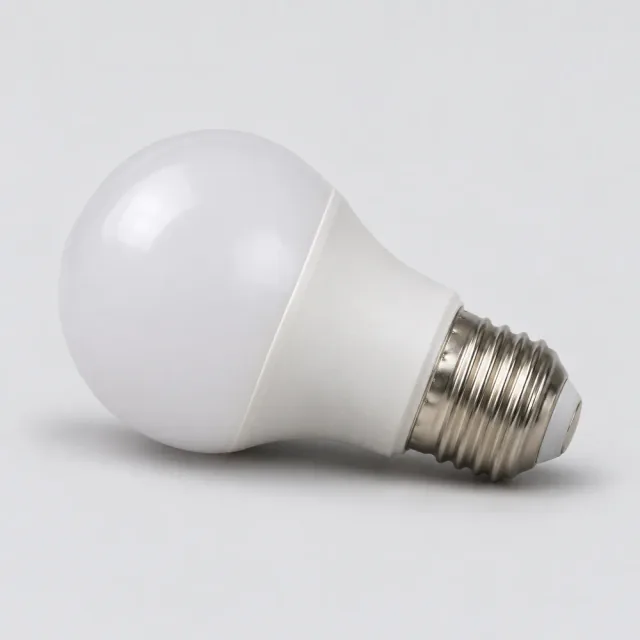 STOP 4 / objects
Remove unwanted heat
Even an efficient light source generates heat. A heat-spreading component protects the electronics and supports useful life. The housing, light diffuser and electrical insulation again have separate responsibilities.
Explore LED lamp ↗Carry this idea with you.
“Heat-resistant” and “insulating” do not mean the same thing. One describes surviving conditions; the other describes slowing transfer.
Follow the evidence
Original explanations informed by the sources below. Technical and industry sources support material behaviour; industry environmental marketing is not treated as a universal comparison. Read our editorial method.
- Sand casting ↗The Open University · 2017 · Checked 2026-11-13
- Raw materials ↗World Steel Association · Undated · Checked 2026-11-13
- Aluminum Production and Processing ↗The Aluminum Association · Undated · Checked 2026-11-13
- Mineral Commodity Summaries 2026 — Aluminum ↗U.S. Geological Survey, National Minerals Information Center · 2026-05-27 (version 1.3) · Checked 2026-11-13
- General principles for selection of stainless steels ↗British Stainless Steel Association · Undated · Checked 2026-11-13
- Recycling ↗worldstainless · Undated · Checked 2026-11-13
- The secret of pan manufacture ↗Tefal / Groupe SEB · Undated · Checked 2026-11-13
- Pots and pans: cookware materials ↗Tefal / Groupe SEB · Undated · Checked 2026-11-13
- MIDDAGSMAT saucepan: construction and materials ↗IKEA · Undated · Checked 2026-11-13
- Borosilicate Glass ↗SCHOTT · Undated · Checked 2026-11-13
- Types of Technical Glasses ↗SCHOTT · Undated · Checked 2026-11-13
- Borosilicate glass: recycling guidance ↗North London Waste Authority · Undated · Checked 2026-11-13
- Polyester: Virgin & Recycled ↗Patagonia · Undated · Checked 2026-11-13
- Cotton: The New Generation ↗American Association of Textile Chemists and Colorists · Undated · Checked 2026-11-13
- PET frequently asked questions ↗PET Resin Association · Undated · Checked 2026-11-13
- Polyesters (Thermoplastic) PETP, PBT, PET ↗British Plastics Federation · Undated · Checked 2026-11-13
- Melt Spinning ↗Textile Exchange · Undated · Checked 2026-11-13
- Microplastics from textiles: towards a circular economy for textiles in Europe ↗European Environment Agency · 2022 · Checked 2026-11-13
- Nylons (Polyamide) ↗British Plastics Federation · Undated · Checked 2026-11-13
- Zinc — element information, properties and uses ↗Royal Society of Chemistry · Undated · Checked 2026-11-13
- Mineral Commodity Summaries 2026 — Zinc ↗U.S. Geological Survey, National Minerals Information Center · 2026-05-27 (version 1.3) · Checked 2026-11-13
- Learn about LED lighting ↗ENERGY STAR / U.S. Environmental Protection Agency · Undated · Checked 2026-11-13
- High-efficiency lighting ↗Pacific Northwest National Laboratory · Undated · Checked 2026-11-13
- LED VALUE CLASSIC A product datasheet ↗LEDVANCE · Undated · Checked 2026-11-13
- Silicon — element information, properties and uses ↗Royal Society of Chemistry · Undated · Checked 2026-11-13
- Mineral Commodity Summaries 2026 — Silicon ↗U.S. Geological Survey, National Minerals Information Center · 2026-05-27 (version 1.3) · Checked 2026-11-13
- Solar Photovoltaic Manufacturing Basics ↗U.S. Department of Energy · Undated · Checked 2026-11-13
- How Do I Recycle Common Recyclables ↗U.S. Environmental Protection Agency · Undated · Checked 2026-11-13
- Mineral Commodity Summaries 2026 — Copper ↗U.S. Geological Survey, National Minerals Information Center · 2026-05-27 (version 1.3) · Checked 2026-11-13
- Copper Life Cycle ↗International Copper Association · Undated · Checked 2026-11-13
- Composite materials: Materials ↗Composites UK · Undated · Checked 2026-11-13
- Guidelines and Recommended Practices for Fiber-Reinforced-Polymer Architectural Products ↗American Composites Manufacturers Association · 2016 · Checked 2026-11-13
- End of Life and Recycling ↗Composites UK · Undated · Checked 2026-11-13
- Epoxies EP ↗British Plastics Federation · Undated · Checked 2026-11-13
- Polycarbonate (PC) ↗British Plastics Federation · Undated · Checked 2026-11-13
- Plastics Processes ↗British Plastics Federation · Undated · Checked 2026-11-13
- How we make glass: chemistry of glass ↗Pilkington / NSG Group · Undated · Checked 2026-11-13
- About glass ↗British Glass · Undated · Checked 2026-11-13
- Quality of recycling: Towards a reference framework for the circular economy ↗European Commission Joint Research Centre · 2020 · Checked 2026-11-13