One metal, very different lives
The same element can become a foil, a frame or a heat-spreading core. Alloying, shape and processing change what it can do. This journey follows those changes without assuming that every product uses the same alloy.
Open the first stop to begin. A reading-path bar stays with you as you explore, so the next step is always in reach.
Start this path →Meet the starting material family
Low density, formability and conductivity help explain aluminium’s reach. The initial route from ore through alumina to metal is quite different from remelting collected scrap. Neither route identifies the source of a particular can.
Explore Aluminium ↗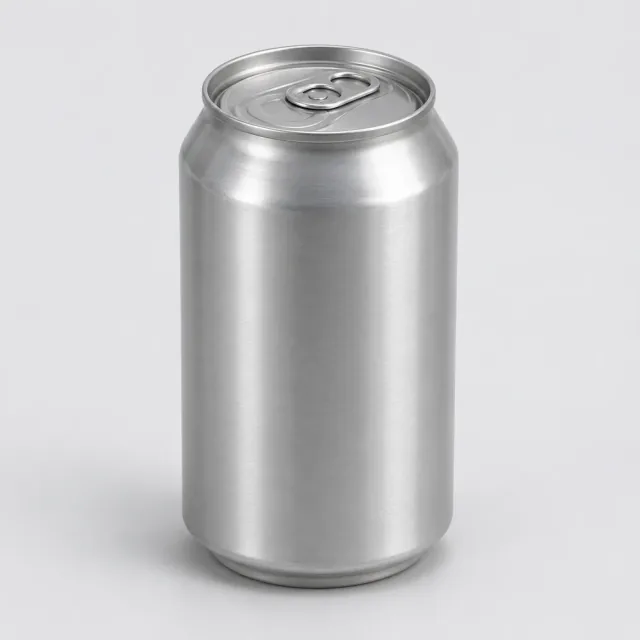 STOP 2 / objects
Make a very thin shell
Drawing and ironing turn sheet into a thin container. The lid and body need not use the same alloy, and internal coatings perform another task. A familiar silver surface conceals an engineered package.
Explore Drink can ↗ STOP 3 / objects
Make a load-bearing structure
A frame uses tubes and joints to resist loads while limiting mass. The geometry changes with material choice; simply replacing a steel tube with an equally sized aluminium tube is not a complete design.
Explore Bicycle ↗Make a barrier only micrometres thick
In some cartons, aluminium becomes a thin barrier supported by other layers. This is very different from a can in both performance and recovery. The whole package determines the end-of-life route.
Explore Paper, polyethylene and foil: why combine them? ↗Carry this idea with you.
Material identity is the beginning of an explanation. Shape, alloy and interfaces finish it.
Follow the evidence
Original explanations informed by the sources below. Technical and industry sources support material behaviour; industry environmental marketing is not treated as a universal comparison. Read our editorial method.
- Aluminum Production and Processing ↗The Aluminum Association · Undated · Checked 2026-11-13
- Mineral Commodity Summaries 2026 — Aluminum ↗U.S. Geological Survey, National Minerals Information Center · 2026-05-27 (version 1.3) · Checked 2026-11-13
- Background on Aluminum Containers ↗The Aluminum Association · Undated · Checked 2026-11-13
- Can-to-can recycling factsheet ↗International Aluminium Institute · 2025-09 · Checked 2026-11-13
- Frame Materials for the Touring Cyclist ↗Sheldon Brown; revised by John Allen · 2010-08 · Checked 2026-11-13
- Materials: Basic knowledge of tires ↗Bridgestone · Undated · Checked 2026-11-13
- Used Lithium-Ion Batteries ↗U.S. Environmental Protection Agency · Undated · Checked 2026-11-13
- What is steel? ↗World Steel Association · Undated · Checked 2026-11-13
- Raw materials ↗World Steel Association · Undated · Checked 2026-11-13
- General principles for selection of stainless steels ↗British Stainless Steel Association · Undated · Checked 2026-11-13
- Recycling ↗worldstainless · Undated · Checked 2026-11-13
- Natural Rubber at a glance ↗Michelin · Undated · Checked 2026-11-13
- Introduction to rubber processing and safety issues ↗UK Health and Safety Executive · Undated · Checked 2026-11-13
- Nylons (Polyamide) ↗British Plastics Federation · Undated · Checked 2026-11-13
- Melt Spinning ↗Textile Exchange · Undated · Checked 2026-11-13
- About Pulp & Paper ↗Confederation of European Paper Industries · Undated · Checked 2026-11-13
- How Is Paper Made Today? ↗American Forest & Paper Association · 2025-05-01 · Checked 2026-11-13
- Polyethylene (Low Density) LDPE, LLDPE ↗British Plastics Federation · Undated · Checked 2026-11-13
- Plastics Processes ↗British Plastics Federation · Undated · Checked 2026-11-13
- Carton packaging materials ↗Tetra Pak · Undated · Checked 2026-11-13
- Tetra Pak cartons: From used to useful again ↗Tetra Pak · Undated · Checked 2026-11-13
- Tinplate life cycle inventory product description ↗World Steel Association · 2024 · Checked 2026-11-13
- Pots and pans: cookware materials ↗Tefal / Groupe SEB · Undated · Checked 2026-11-13