Hard is not the same as hard to break
Scratch resistance, stiffness, strength and toughness are distinct. A hard material can resist a surface indentation yet fail abruptly from a crack. A softer material may bend or absorb impact before it separates.
On a phone, each design question stacks the material choices for easier reading.
| Design question | Alumina | Polycarbonate | Aluminium |
|---|---|---|---|
| Surface behaviour | A hard ceramic used where wear resistance matters. | A polymer surface is relatively easy to scratch without suitable protection. | A metal surface can dent and scratch; alloy and treatment matter. |
| Failure behaviour | Typically brittle; flaws and geometry strongly influence strength. | Many grades offer high impact toughness in suitable conditions. | Ductility can permit visible deformation before failure. |
| Design strategy | Support the ceramic and control stress concentrations. | Use coatings or assemblies when surface abrasion matters. | Use alloy choice, geometry and treatment to balance properties. |
| Everyday lesson | A ceramic component can be durable in wear but vulnerable to a sharp impact. | A tough transparent lens still needs care against scratching. | A dent may absorb energy, but it can also compromise a component. |
What changes the answer?
A single word such as “strong” conceals the failure mode. Always ask: strong against which load, under which conditions, and in what shape?
Familiar things, connected.
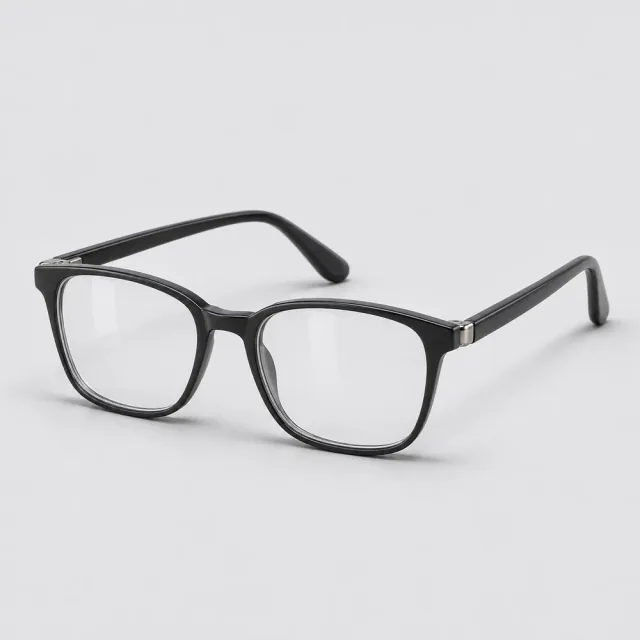
Spectacle frames
Small components balance stiffness, flexibility and comfort.
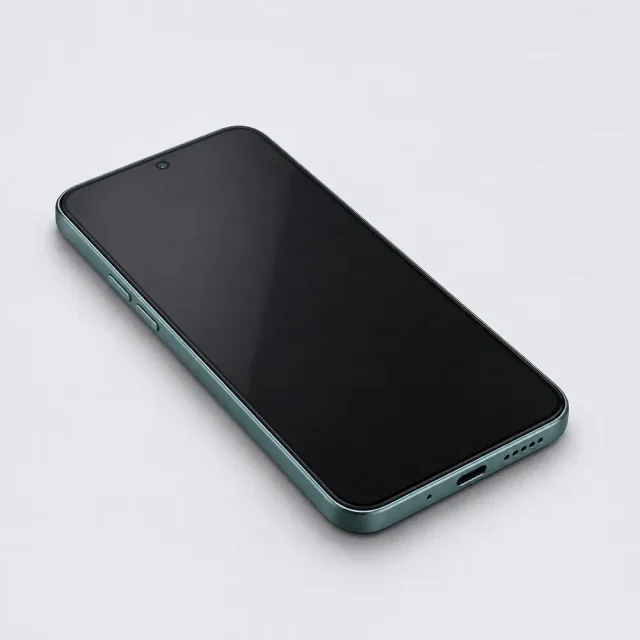
Mobile phone
A small meeting place for very different materials.
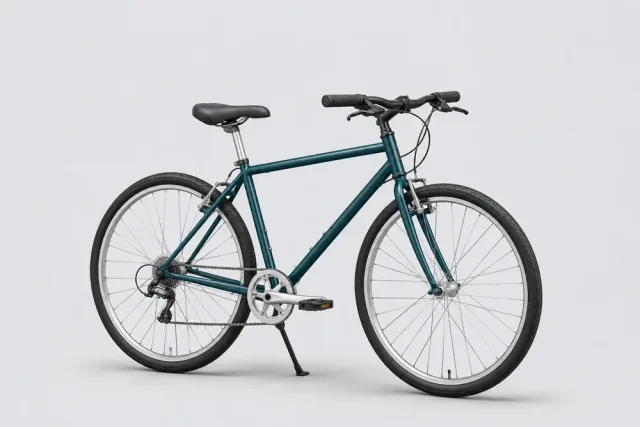
Bicycle
Strength depends on shape as well as substance.
Follow the evidence
Original explanations informed by the sources below. Technical and industry sources support material behaviour; industry environmental marketing is not treated as a universal comparison. Read our editorial method.
- Advanced Ceramic Substrates for Electronic Applications ↗CeramTec · Undated · Checked 2026-11-13
- Aluminum Production and Processing ↗The Aluminum Association · Undated · Checked 2026-11-13
- Polycarbonate (PC) ↗British Plastics Federation · Undated · Checked 2026-11-13
- Plastics Processes ↗British Plastics Federation · Undated · Checked 2026-11-13
- Mineral Commodity Summaries 2026 — Aluminum ↗U.S. Geological Survey, National Minerals Information Center · 2026-05-27 (version 1.3) · Checked 2026-11-13
- Eyeglass frame materials ↗American Academy of Ophthalmology · Undated · Checked 2026-11-13
- S-Titanium material story ↗Silhouette Group · Undated · Checked 2026-11-13
- A World of Minerals in Your Mobile Device ↗U.S. Geological Survey · 2016-09 · Checked 2026-11-13
- Used Lithium-Ion Batteries ↗U.S. Environmental Protection Agency · Undated · Checked 2026-11-13
- Frame Materials for the Touring Cyclist ↗Sheldon Brown; revised by John Allen · 2010-08 · Checked 2026-11-13
- Materials: Basic knowledge of tires ↗Bridgestone · Undated · Checked 2026-11-13