Glass-fibre composite
Fibreglass can mean glass fibres alone or, in everyday use, a glass-fibre reinforced plastic. Here the focus is the composite: thin glass fibres strengthen a surrounding resin. A circuit board illustrates the principle in a compact form, with woven glass and epoxy supporting copper conductors. Other products use different resins and fibre arrangements. The composite is not ordinary window glass and should not enter a bottle-glass recycling stream.
Useful properties
Why it earns its placeFrom input to useful material.
A simplified industrial pathway. Select a stage to learn what changes. Recycled feedstock and other process variants can enter at different stages.
Origins & processing
Glass ingredients are melted and drawn through small openings to create fine continuous filaments. A surface treatment helps handling and bonding, after which fibres are gathered, woven or chopped. They are then combined with resin and formed into a part or laminate. Circuit-board laminates commonly use glass fabric and epoxy; other glass-fibre composites often use polyester or other matrices. Fibre chemistry, orientation, amount and bonding all affect properties. Loose insulating glass wool is a different product structure from a rigid composite board.
Where it turns up
Phones, lamps and appliances can contain glass–epoxy circuit boards. Some moulded chairs and other durable shells use glass-fibre composites with different resins. The same reinforcement principle connects these objects, but a board and a chair require different electrical, structural and surface performance. The matrix deserves attention alongside the fibres.
Useful, with limits.
Composite performance depends on the resin as well as the glass. Heat, moisture and poor bonding can affect durability. Cutting or sanding composites creates dust and fibres that require appropriate controls. A material that is strong in one shape or orientation is not automatically suitable for another, and surface damage may conceal a larger defect.
A next life depends on the system.
Glass fibres trapped in cured resin are difficult to separate into equivalent new fibres and resin. Some specialist routes grind composites or use other recovery processes, with outputs and availability varying. Electronic laminates follow e-waste systems that may prioritize metals. A recycled-metal claim for a circuit board does not establish recovery of its glass–resin support.
Familiar things, connected.
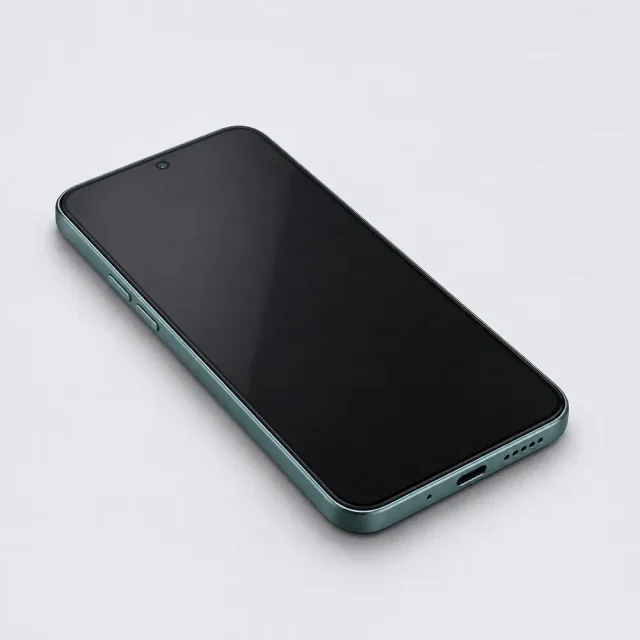
Mobile phone
A small meeting place for very different materials.
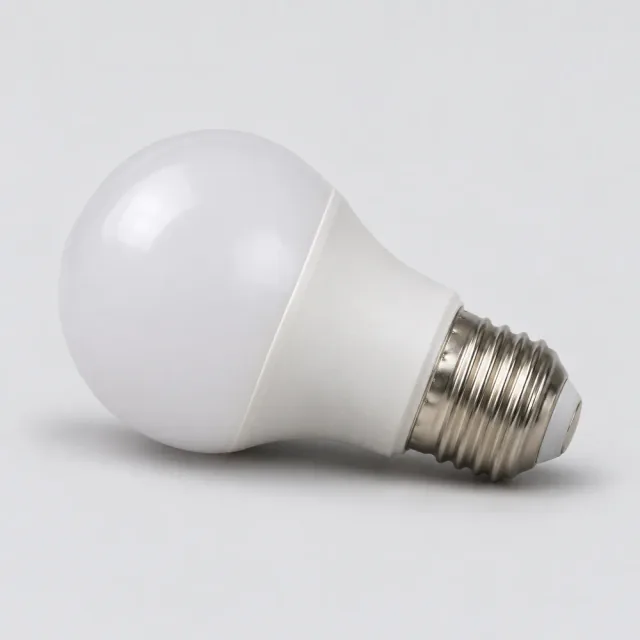
LED lamp
Making light still leaves heat to manage.

Umbrella
A lightweight roof that must fold into a bundle.
Laptop
A portable computer is also a compact heat-management system.
Follow the evidence
Original explanations informed by the sources below. Technical and industry sources support material behaviour; industry environmental marketing is not treated as a universal comparison. Read our editorial method.
- Composite materials: Materials ↗Composites UK · Undated · Checked 2026-11-13
- Guidelines and Recommended Practices for Fiber-Reinforced-Polymer Architectural Products ↗American Composites Manufacturers Association · 2016 · Checked 2026-11-13
- End of Life and Recycling ↗Composites UK · Undated · Checked 2026-11-13