Aluminosilicate glass
Aluminosilicate glass adds a substantial aluminium-oxide contribution to a silica-based glass network. Some alkali-containing formulations can be chemically strengthened: ion exchange creates compression at the surface, helping resist damage that would open a crack. This is one reason related glass families are used for electronic cover surfaces. The word strengthened describes a treatment as well as a composition; it does not make the glass unbreakable.
Useful properties
Why it earns its placeFrom input to useful material.
A simplified industrial pathway. Select a stage to learn what changes. Recycled feedstock and other process variants can enter at different stages.
Origins & processing
Glassmakers combine high-purity silica, alumina-containing ingredients and other oxides, then form thin sheets or other shapes. For suitable alkali aluminosilicate formulations, controlled ion exchange replaces smaller ions near the surface with larger ones. The resulting compression changes how cracks behave under loading. Cutting, finishing and coating are also important. The phone cover is only one layer of a display assembly; it should not be confused with the semiconductors, conductors and optical layers that create the image.
Where it turns up
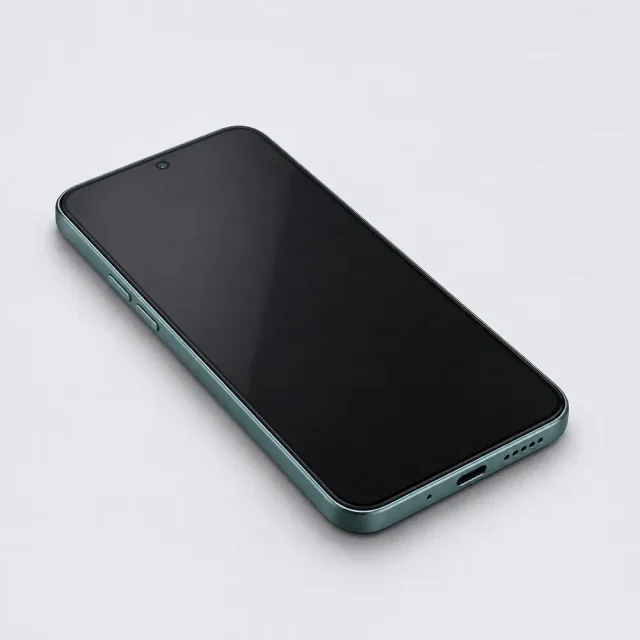
Phone cover glass is the familiar example. Other aluminosilicate compositions serve demanding technical applications with different requirements. A transparent appliance surface or a pane of glass is not necessarily aluminosilicate. Even among electronic covers, thickness, treatment and product design influence performance, so a generic label cannot predict the outcome of a drop.
Useful, with limits.
A strengthened surface can still fail from sufficiently severe impact, deep damage or stress at an edge. Hardness, fracture strength and toughness are different properties. Adhesives and coatings also affect repair and recovery. Product marketing sometimes compresses all these factors into a single durability claim; the material story is more specific and conditional.
A next life depends on the system.
A repair that replaces a damaged screen can extend the useful life of the whole device. At final disposal, use a suitable electronics collection route. Thin glass bonded to displays and coatings is difficult to return to an ordinary bottle-glass furnace. A glass-recycling symbol or broad recyclability statement does not establish a local route for a phone screen.
Familiar things, connected.
Follow the evidence
Original explanations informed by the sources below. Technical and industry sources support material behaviour; industry environmental marketing is not treated as a universal comparison. Read our editorial method.
- Types of Technical Glasses ↗SCHOTT · Undated · Checked 2026-11-13
- Main properties of SCHOTT glass ↗SCHOTT · 2026-07 · Checked 2026-11-13